Jordan-US Agreement Eliminates Special Tax on American-Imported Cars
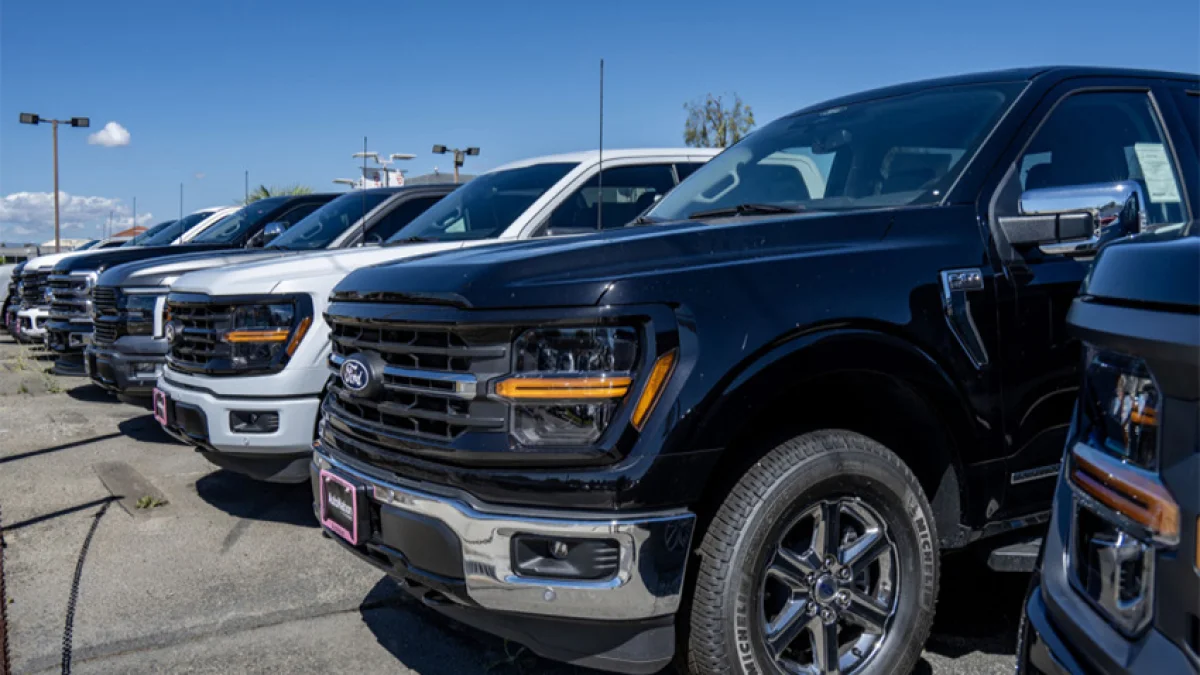
Jordan's car market is bracing for a seismic shift. The Jordanian-American agreement has scrapped the special tax on new cars manufactured and imported from the United States, while keeping the general sales tax at 16%. The move rewrites the cost structure for American vehicles overnight.
What the tax removal means for prices
The special tax previously stood at 10% for electric vehicles, 20% for hybrids, and 30% for gasoline-powered cars, before the agreement took effect. Under the new terms, all American-made vehicles meeting the agreement's conditions will face a total tax of just 16%, down from 27% for EVs, 39% for hybrids, and 51% for gasoline models. That's a dramatic difference.
Competitive shake-up in Jordan
The reduced tax burden will boost the competitiveness of American cars in the Jordanian market, drawing in buyers who previously found them too expensive. Ford, Chevrolet, and Jeep could see a notable uptick in demand as a result.
Market experts are split on the likely impact, with some arguing the effect will remain modest since American cars account for only a small slice of total vehicle sales across the kingdom. Others anticipate a genuine sales surge in the near term. Only time will tell which side gets it right.
The decision reaches beyond pricing, sparking broader questions about the future direction of Jordan's automotive landscape. Analysts expect that Ford prices and Chevrolet prices could drop significantly in the coming months, potentially reshaping the balance of power against Asian and European rivals.
Related News
View All News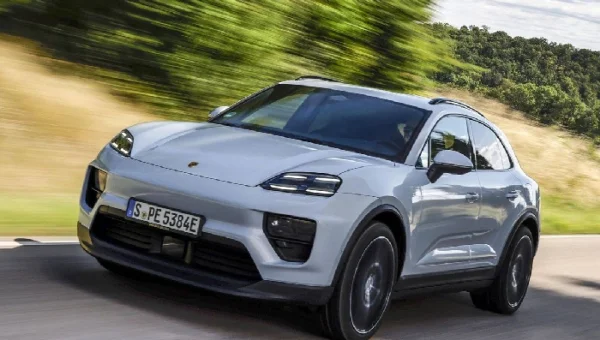
Porsche Brings Petrol Power Back to Macan Class with New SUV in 2028
Porsche is preparing to reintroduce petrol and hybrid engines to the compact SUV segment through a new standalone model planned for around 2028. The move follows the end of combustion…

Tarek Masoud: Africa Has a Historic Opportunity to Build a Global Auto Industry Hub
Tarek Masoud, President of the African Association of Automotive Manufacturers, called on governments and the private sector to accelerate concrete industrial projects rather than just policies. Speaking at the Africa…
General Motors Sales Drop 5.5% in Q3 as EV Demand Cools
General Motors announced a 5.5% drop in Q3 sales to 670,974 vehicles. Electric vehicle sales plummeted after federal incentives ended, with Equinox EV falling 92.4%. Meanwhile, Toyota's electrified vehicle sales…
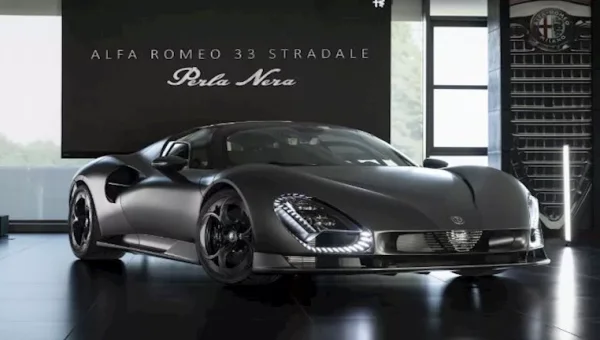
Alfa Romeo Unveils the Only 33 Stradale Perla Nera in the World at Arese Museum
Alfa Romeo has unveiled the only unit in the world of its 33 Stradale Perla Nera, featuring a fully exposed carbon fiber body with a matte finish. The car is…
China Faces Crisis as 4 Million Unsold Cars Pile Up — Experts Warn of Golden Era's End
China's automotive industry is grappling with a mounting crisis as more than 4 million unsold vehicles pile up in the world's largest car market. Production stands at 33 million cars…