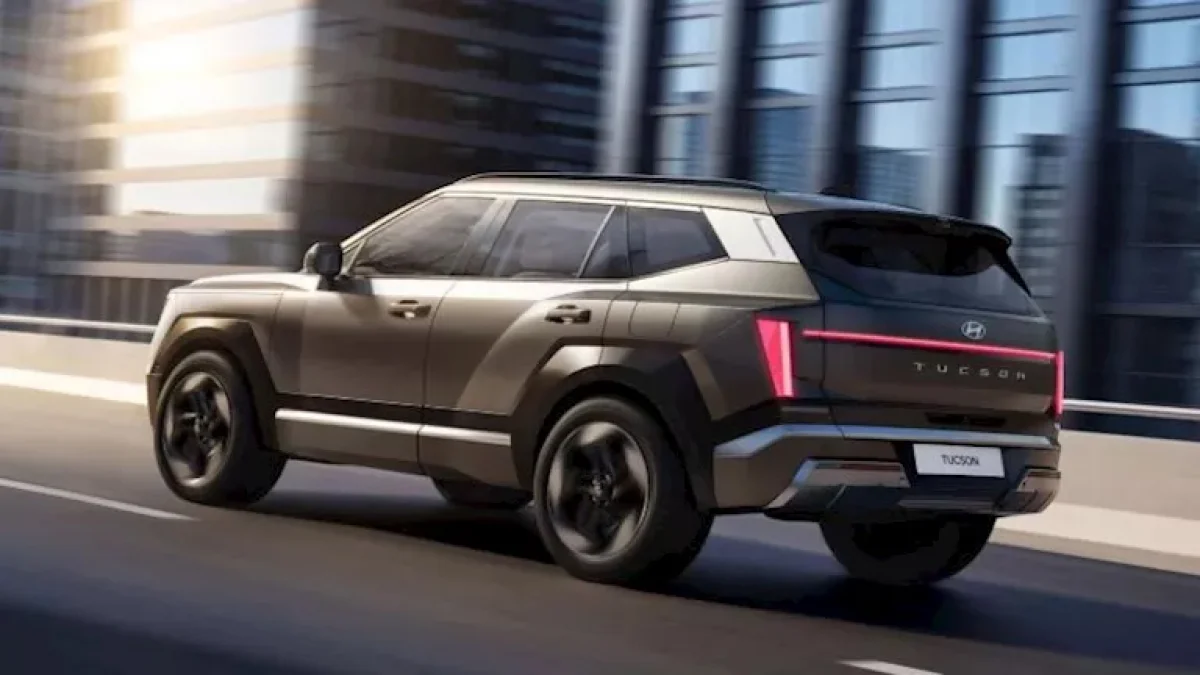
Hyundai Tucson 2026: Fifth Generation Breaks Cover with Bold Redesign After 6-Year Hiatus
Hyundai Motor has revealed the all-new fifth-generation Tucson, its first complete redesign of the compact SUV in six years, featuring a bold exterior with vertical H-shaped daytime running lights and a larger body for enhanced interior space. The launch is shadowed by escalating labor union strikes, causing cumulative production losses exceeding 62,000 vehicles through August 25, with estimated sales losses of 2.6 trillion South Korean won ($1.85 billion). The company's global sales fell 5.1% year-over-year to 318,454 units last month, marking the tenth straight month of annual decline as it struggles to balance new model momentum with production disruptions.
Hyundai Motor has finally taken the wraps off the all-new fifth-generation Tucson, marking the first complete redesign of the compact SUV in nearly six years. The bold new look is a radical departure from its predecessor, signaling Hyundai's aggressive push to dominate the fiercely competitive compact crossover segment.
A Design Language That Commands Attention
The new Tucson features vertical daytime running lights that form a distinctive H-shaped signature, seamlessly connected by a slim horizontal central lamp bar. It's a front-end treatment that instantly sets the SUV apart from rivals. The body itself has grown larger, with the primary goal being increased interior space for passengers and cargo.
This isn't just about aesthetics. The longer wheelbase translates into a more spacious cabin, improved seating comfort. Upgraded materials throughout the dashboard. The fifth-gen model is clearly engineered to elevate the ownership experience, but the visual drama is what will turn heads in the showroom.
Production Woes and Declining Sales Cloud the Launch
The launch arrives at a turbulent time for the Korean automaker. Industry sources confirm that Hyundai is bracing for cumulative production losses exceeding 62,000 vehicles through August 25, as its labor union escalates a strike amid stalled wage negotiations. The financial toll is steep: estimated sales losses of 2.6 trillion South Korean won, or roughly 1.85 billion USD.
Global sales already tell a worrying story. Hyundai's worldwide deliveries dipped 5.1% year-over-year to 318,454 units last month, marking the tenth consecutive month of annual decline. The timing couldn't be worse — just as the company needs maximum output to capitalize on the new Tucson's momentum, its own workforce is halting production lines.
The conundrum is clear. Hyundai needs to ramp up production of its flagship compact SUV to recover lost market share in North America and Europe, yet the ongoing strike threatens to deepen the crisis. The next few weeks will be critical for the brand as it navigates one of its most challenging periods in recent memory.
Frequently Asked Questions
3 questions answered
Related News
View All News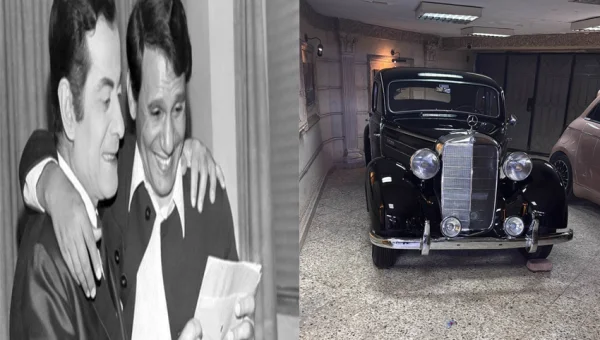
Mercedes 170 S: From Abdel Halim's Era to Million-Dollar Auctions — The Icon That Never Dies
The Mercedes-Benz 170 S from 1953 is a classic car tied to Egypt's golden era, owned by legendary singers Abdel Halim Hafez and Farid El Attrash. It was the first…
Britain Caught Between China and Europe: EV Tariffs Ignite a €24 Billion Battle
The British government is under pressure from the European Union to raise tariffs on Chinese electric cars in exchange for trade benefits and joining the "Buy European" program. The UK…
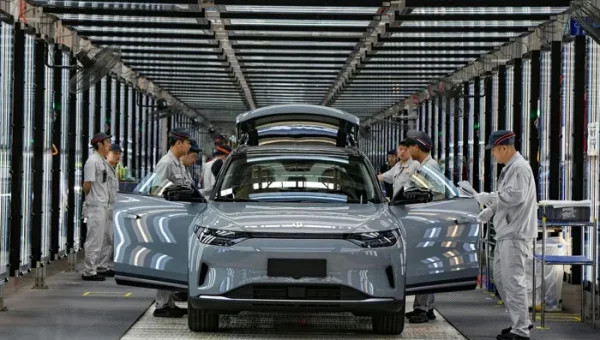
China Dominates Global Auto Market: 15 Million Cars in 6 Months
China produced and sold 15 million vehicles in the first half of 2026, surpassing the combined sales of European and American automakers. Chinese exports reached 5.1 million cars, with forecasts…
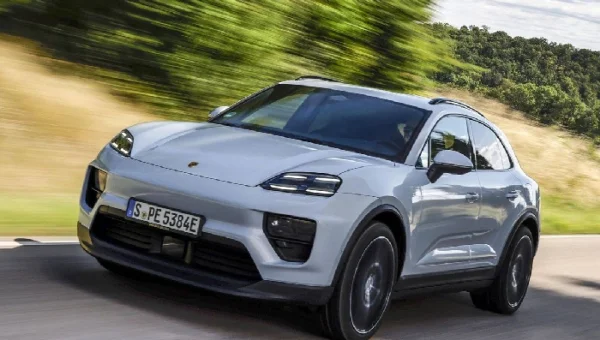
Porsche Brings Petrol Power Back to Macan Class with New SUV in 2028
Porsche is preparing to reintroduce petrol and hybrid engines to the compact SUV segment through a new standalone model planned for around 2028. The move follows the end of combustion…

Tarek Masoud: Africa Has a Historic Opportunity to Build a Global Auto Industry Hub
Tarek Masoud, President of the African Association of Automotive Manufacturers, called on governments and the private sector to accelerate concrete industrial projects rather than just policies. Speaking at the Africa…