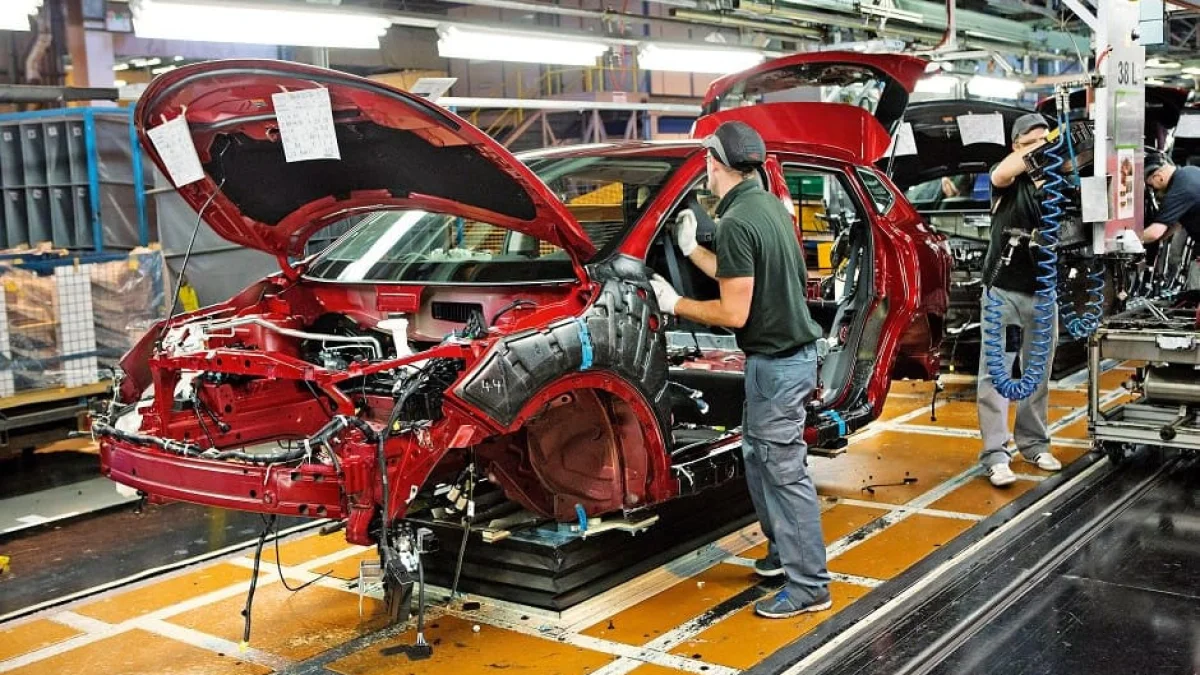
Global Auto Industry Faces Critical Phase Amid Escalating Middle East Tensions
The global automotive industry is facing mounting and unprecedented pressure as tensions continue to escalate in the Middle East. The repercussions of this crisis are extending to energy markets, maritime shipping, and global supply chains. Industry experts confirm that automakers are now confronting major challenges that threaten production volumes, drive costs higher, delay investments, and disrupt vehicle delivery schedules for customers.
Energy and Supply Chain Impact
Analysts point out that the automotive industry has entered a completely new phase since the onset of these tensions, with the global production system experiencing a multi-faceted shock. Oil and energy prices have been significantly impacted, which is a critical issue since the automotive sector is one of the largest consumers of fuel, both for factory operations and for transporting components and finished vehicles across continents.
Global Trade Disruption and Rising Shipping Costs
The impact of the crisis extends to global trade, which has been clearly affected by increased security risks. This has forced ships to alter their routes in vital maritime corridors, while marine insurance premiums have risen sharply, doubling shipping costs and extending voyage times. Components are arriving late to factories, where a delay in a single part, such as a small electronic component, can completely paralyze entire production lines that depend on the seamless integration of thousands of parts sourced from dozens of countries around the world.
Analyses also confirm that raw material prices are under extreme pressure. Rising costs for aluminum, copper, and metals used in battery and electrical component manufacturing have multiplied production expenses, especially with persistent global inflationary pressures.
Reprioritization and Delayed Expansion Plans
Faced with these challenges, global companies have begun a comprehensive reprioritization of production operations. Sources indicate that manufacturers are currently focusing on higher-margin models, increasing their inventory of essential components, and actively seeking new suppliers to reduce dependence on specific regions. In a move reflecting deep uncertainty, several automakers have postponed expansion projects and reevaluated plans to build new factories, pending a clearer picture of geopolitical developments in the region. This has severely impacted global production rates during the current period.
Anxiety is growing as regional tensions in the Middle East persist and recur. Industry experts believe the future holds more challenges, as supply chain stability has become an elusive goal. This threatens a new wave of price increases and delivery delays that could last for years to come if the geopolitical situation does not stabilize.
Related News
View All News
Opel CEO: Adam Small Car Out of Plans Until 2030 Due to EU Regulations
Opel CEO Florian Huettl has confirmed the Adam small car is not in the company's product plans until 2030 due to stringent European regulatory requirements. Speaking at the 2026 Paris…
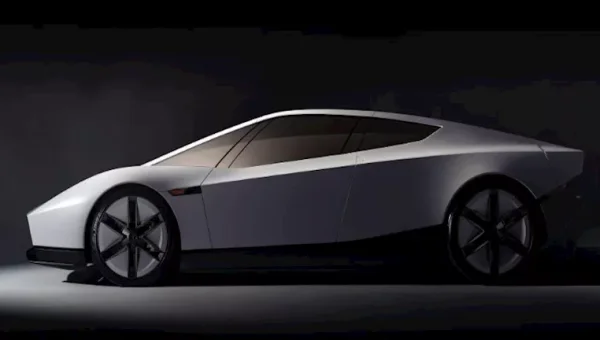
Tesla Roadster Jumps Mid-Air with SpaceX-Inspired Rocket Technology
Tesla has revealed the next-generation Roadster in a Texas demonstration where the car jumped into the air and rotated before landing, using thrusters inspired by SpaceX rockets. The system relies…
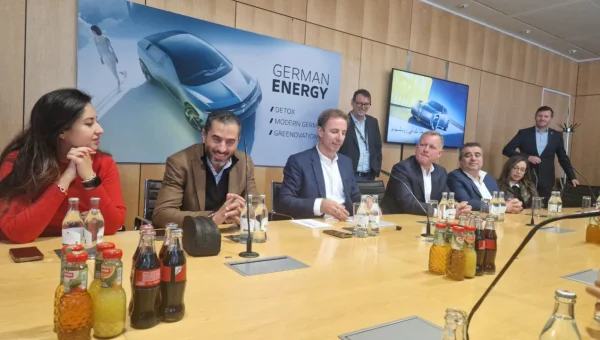
Opel CEO: 1000 km Electric Car Possible Technically, But Economically Illogical
Opel CEO Florian Huettl stated that a 1,000-kilometer electric car is technically feasible but economically illogical due to cost and weight. Speaking at the 2026 Paris Motor Show, he explained…
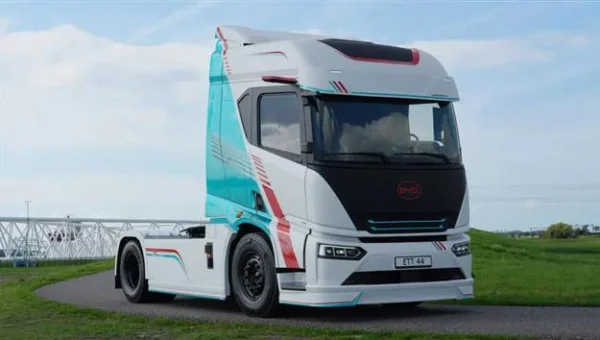
BYD Launches 600 km Electric Truck Offensive Against European Giants
BYD has announced its entry into Europe's heavy truck sector with an electric model offering up to 600 kilometers of range and a 20% to 80% charge time of roughly…
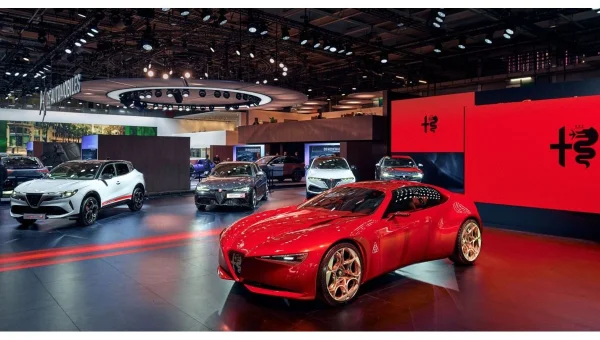
Alfa Romeo Steals the Spotlight at Paris Motor Show 2026 with Cuorerosso Concept
Alfa Romeo has unveiled the Cuorerosso concept car in its world premiere at the Paris International Motor Show 2026. The stand features the Junior, Tonale, Giulia, and Stelvio in the…