German Consumer Groups Demand Electric Car Subsidies Be Redirected to Low-Cost Models
German consumer protection centers are demanding that government incentives for electric vehicles be redirected toward low-cost models. Ramona Pop of the German Federation of Consumer Organizations argues that linking subsidies to vehicle price rather than household income would promote cheaper, more efficient cars. The current program offers up to €6,000 in support, with over 100,000 applications already submitted. The groups are also calling for greater transparency in charging prices and simpler electricity contracts.
A blunt demand has been made in Germany: stop subsidizing the rich. Consumer protection centers are pushing for a fundamental shift in how electric vehicle incentives are structured, arguing that government support should focus on affordable models rather than premium vehicles that cost tens of thousands of euros. The call comes at a critical time for the European EV market as Berlin pushes toward ambitious climate targets.
Tie the Subsidy to the Car Price, Not Family Income
Ramona Pop, head of the German Federation of Consumer Organizations, stated plainly that electric mobility must become accessible to those with low and middle incomes. She argued that linking subsidies to the vehicle's price is the optimal solution, rather than relying solely on household income, effectively encouraging cheaper and more energy-efficient models. The logic is simple: money should follow need, not luxury.
The figure stirring controversy is 90,000 euros. Pop sharply criticized the current framework, noting that setting an income cap at that high level practically means handing government handouts to families who require no financial assistance whatsoever to purchase a new electric car. She demanded categorically that subsidies only be paid for vehicles whose list price doesn't exceed a specified maximum, a move that would dramatically reshape market demand across the country.
The Current Program: Numbers and Conditions
The government program, launched last May, supports the purchase and leasing of electric vehicles and certain plug-in hybrids, provided the car is newly registered since January 1, 2026. Financial support varies based on the vehicle, income, and family size, reaching up to 6,000 euros, and more than 100,000 applications have already been submitted since its inception.
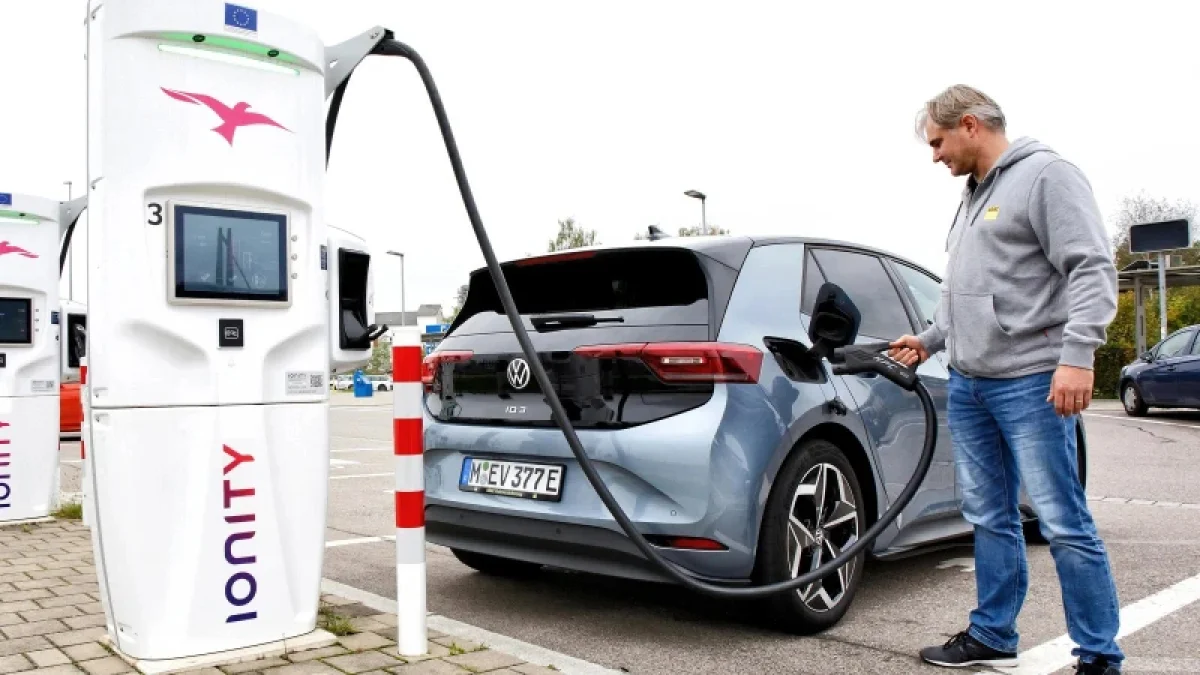
But what about charging infrastructure? The consumer federation isn't stopping at financial restructuring. It's also calling for a radical improvement in charging conditions. Pop acknowledged that charging station expansion is progressing steadily but remains insufficient, particularly for renters in multi-unit residential buildings who lack private charging points. Public infrastructure must be well-equipped to serve them.
Transparency is another battleground. Pop noted that a single charging station displays many different prices, making it genuinely difficult for the average driver to determine which rate applies to them. The process becomes unnecessarily complicated. She called for all instant charging prices to be available through one unified app, and for electricity contracts related to charging to be easier to compare. Recent polling confirms that purchase costs and charging availability are the dominant factors shaping consumer decisions in this market.
Frequently Asked Questions
3 questions answered
Related News
View All News
Mercedes 170 S: From Abdel Halim's Era to Million-Dollar Auctions — The Icon That Never Dies
The Mercedes-Benz 170 S from 1953 is a classic car tied to Egypt's golden era, owned by legendary singers Abdel Halim Hafez and Farid El Attrash. It was the first…
Britain Caught Between China and Europe: EV Tariffs Ignite a €24 Billion Battle
The British government is under pressure from the European Union to raise tariffs on Chinese electric cars in exchange for trade benefits and joining the "Buy European" program. The UK…
China Dominates Global Auto Market: 15 Million Cars in 6 Months
China produced and sold 15 million vehicles in the first half of 2026, surpassing the combined sales of European and American automakers. Chinese exports reached 5.1 million cars, with forecasts…
Porsche Brings Petrol Power Back to Macan Class with New SUV in 2028
Porsche is preparing to reintroduce petrol and hybrid engines to the compact SUV segment through a new standalone model planned for around 2028. The move follows the end of combustion…

Tarek Masoud: Africa Has a Historic Opportunity to Build a Global Auto Industry Hub
Tarek Masoud, President of the African Association of Automotive Manufacturers, called on governments and the private sector to accelerate concrete industrial projects rather than just policies. Speaking at the Africa…