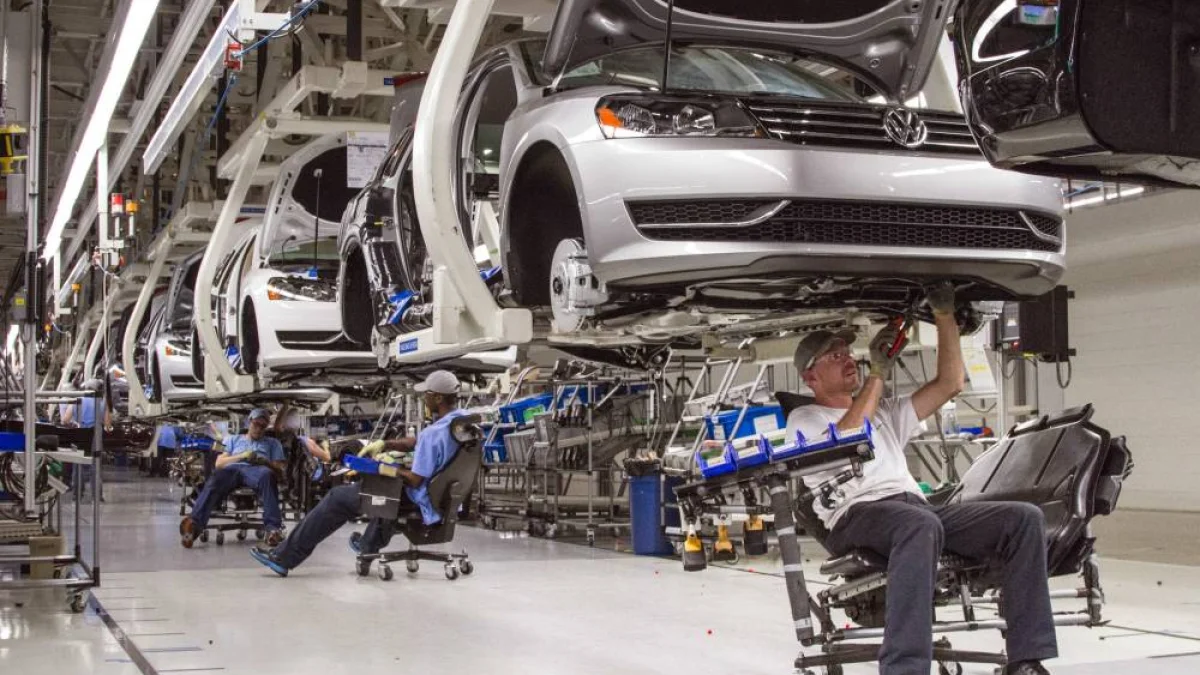
German Auto Industry Loses 42,000 Jobs in One Year
Germany's automotive industry shed 42,300 jobs in a single year, dropping employment to 691,500 by mid-2026 — the lowest figure since 2005. The annual decline of 5.8% outpaces all other industrial sectors, with parts suppliers hit hardest at 7.6%. Industry association warns of up to 225,000 job losses by 2035 as manufacturers and suppliers announce austerity programs.
Germany's automotive industry is shrinking at an alarming pace. Official figures from the Federal Statistical Office show employment in the sector fell to 691,500 workers by the end of the first half of 2026 — the lowest level since 2005. That represents a drop of 42,300 jobs in just twelve months.
The Numbers Paint a Grim Picture
The annual decline stands at 5.8%, outpacing every other industrial sector in the country. The broader manufacturing industry lost 2.7% of its workforce to reach 5.29 million, but cars are leading the downside. Volkswagen, BMW, and other German marques face a brutal equation between cost-cutting and staying competitive.
Automotive remains Germany's second-largest industrial sector. Machinery manufacturing still tops the list with 905,900 workers, while the auto sector's share keeps shrinking. But the picture is far from uniform within the industry itself.
Suppliers Bear the Brunt
Parts and accessories suppliers recorded the steepest job cuts at 7.6%. Manufacturers themselves reduced their workforce by 6.1% — a gap that reveals intense pressure across supply chains for Mercedes and Audi. Meanwhile, the smaller segment of vehicle body and trailer manufacturing actually grew by 10% to 42,800 workers.
What stands out is that the upward trend in niche areas doesn't compensate for the overall decline. This isn't a cyclical fluctuation — the industry's structure is fundamentally shifting.
Early Warnings and Austerity Programs
The German Automobile Industry Association warned back in May about a potential loss of up to 225,000 jobs by 2035. That warning wasn't made in a vacuum. Several manufacturers and suppliers have recently announced cost-reduction programs and job cuts.
The decline has been visible for a long time now. The real question isn't whether the numbers will keep falling — it's how far the industry can absorb this wave before it turns into a permanent structural crisis.
Emerging markets like Egypt are watching this file closely. German used cars make up a significant share of offers in the Egyptian market, and any shift in European production structures reflects on prices and available models.
Frequently Asked Questions
3 questions answered
Related News
View All News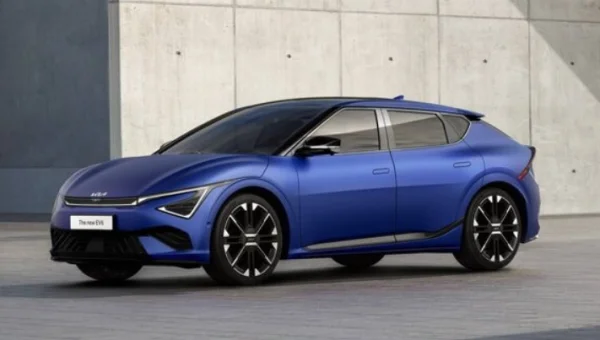
Kia Claims Second Place in UK with 76,850 Vehicles in Eight Months
Kia ranked second in UK car sales with 76,850 vehicles sold from January to August, a 2.3% increase year-on-year. The performance was fueled by strong demand for the Sportage SUV,…
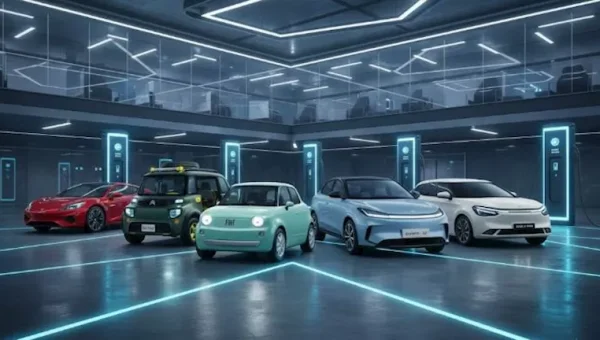
Electric Vehicles Sweep Europe in 2026: 1.64 Million Units Sold as Cheaper Models and Pricier Fuel Shift the Market
Electric vehicle sales in the European Union reached 1.64 million units between January and August 2026, a 45% increase year-on-year. EVs captured 22% of the total car market, with available…

After Putin's Remarks on Chinese Cars Dominance.. Where Are Russia's Most Famous Cars?
Russian President Vladimir Putin predicted that Chinese cars will become the most widespread globally in the coming years, speaking at the Valdai International Discussion Club in October 2026. His remarks…

Mercedes 170 S: From Abdel Halim's Era to Million-Dollar Auctions — The Icon That Never Dies
The Mercedes-Benz 170 S from 1953 is a classic car tied to Egypt's golden era, owned by legendary singers Abdel Halim Hafez and Farid El Attrash. It was the first…
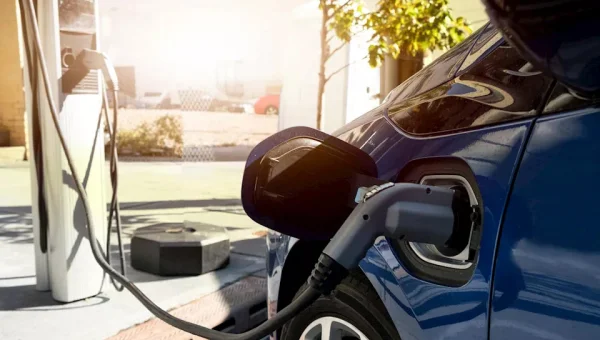
Britain Caught Between China and Europe: EV Tariffs Ignite a €24 Billion Battle
The British government is under pressure from the European Union to raise tariffs on Chinese electric cars in exchange for trade benefits and joining the "Buy European" program. The UK…