

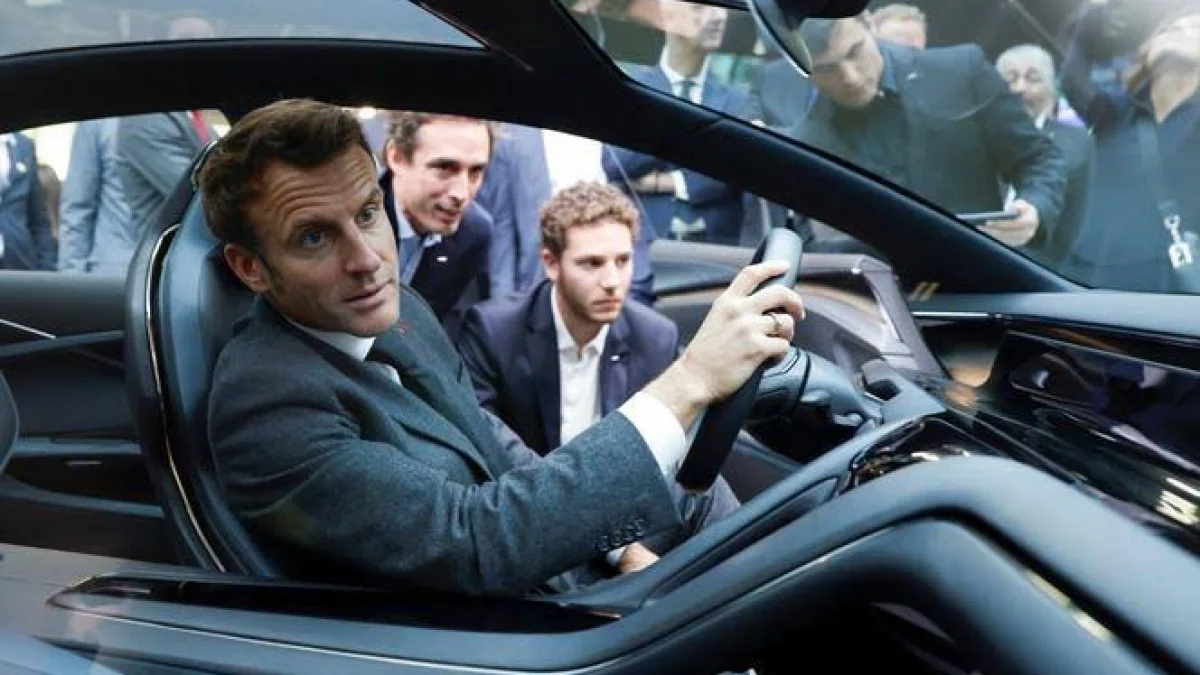
France and Germany Agree to Ease Emission Rules and Rescue Europe's Auto Industry
France and Germany reached a joint agreement to cut CO2 emissions by 90% instead of 100% by 2035, while strengthening the 'Made in Europe' principle to protect the local industry from Chinese competition. The deal gives combustion-engine cars more flexibility and accepts renewable fuels as an alternative. Paris made concessions on combustion engines, while Berlin accepted a stricter definition of European components. Environmental groups called the agreement a historic mistake.
Paris and Berlin have a deal. France and Germany announced Friday a joint agreement on the future of the European automotive industry, easing CO2 emission cuts before 2035 in exchange for strengthening the "Made in Europe" principle. The agreement aims to secure the sector's future while maintaining climate targets and production within the continent.
Macron: We Want a Successful Transition While Keeping Production in Europe
"We are driven by a clear ambition." That was French President Emmanuel Macron's take on the deal, adding that the goal is to make the automotive transition a success while preserving climate objectives and European production. German Chancellor Friedrich Merz called it "a good day for drivers and for employment in Germany, France, and Europe," signaling the balance the agreement tries to strike between environmental protection and the interests of workers and manufacturers.
Emission Targets Eased: 90% Cut Instead of 100% by 2035
The French-German document, seen by AFP, reveals the details. Manufacturers will be required to cut their CO2 emissions by 90 percent by 2035, down from the 100 percent proposed by the EU. The remaining 10 percent won't need to be offset, justified by "the growing use of renewable fuels" such as biofuels. This retreat from a full transition to electric vehicles has angered environmental groups, who see it as a step back from the EU's climate commitments.
Germany Accepts Stricter Definition of 'Made in Europe'
Berlin, for its part, accepted a stricter definition of European preference. Companies benefiting from public funds will be required to source components manufactured in Europe or partner countries like the UK, Norway, and Switzerland. The protectionist logic of "Made in Europe" primarily aims to counter the influx of Chinese cars into the European market. That have gained strong traction in recent years thanks to competitive pricing and the expansion of brands like BYD and MG across Europe.
Historic Mistake or Necessary Compromise?
The clean transport group T&E called the agreement a "historic mistake." Environmental organizations argue that easing targets slows the shift to electric vehicles and gives the combustion engine industry extra breathing room. But Paris and Berlin see the deal as protecting jobs at factories run by Renault, Volkswagen, and other European manufacturers facing fierce competition from China and the US.
Cars with combustion engines will benefit from greater flexibility. France made concessions on this specific file, while Germany secured a stricter definition of European components. The balance between climate and industry remains fragile, but the agreement gives the European auto industry some room to breathe amid the accelerating global electric shift.
Frequently Asked Questions
3 questions answered
Related News
View All News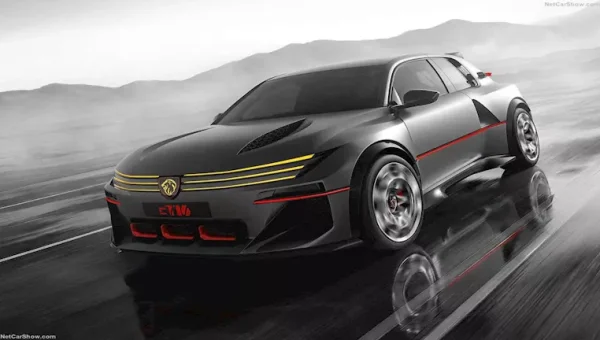
Peugeot E-T16 Concept Wins Best Concept Car at Paris Motor Show 2026
The Peugeot E-T16 Concept has won Best Concept Car at the 2026 Paris Motor Show, awarded by the AMAM journalists' association. The design pays tribute to the legendary Peugeot 205…
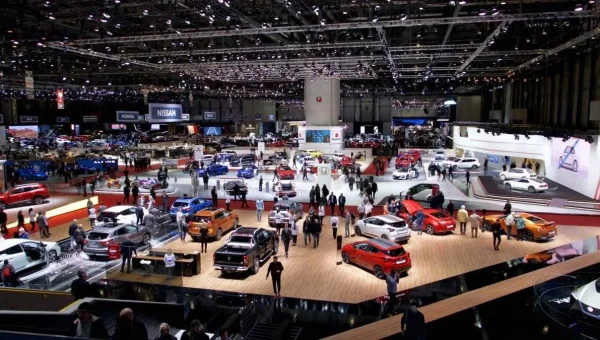
20 Chinese Brands Storm Paris 2026 to Challenge European Giants on Tech and Price
Around 20 Chinese brands are attending the 2026 Paris Motor Show, double their number at the 2024 edition, mounting direct competition against established European automakers. Names like BYD, Geely, and…

BYD Launches Electric Truck Offensive Against Volvo and Mercedes in Europe
BYD has unveiled a heavy-duty electric truck with a range of 600 kilometers and 20% to 80% charging in 20 minutes, targeting Europe's truck market. Volvo and Mercedes-Benz together controlled…

LUXEED Prepares for Global Launch on October 21 in Wuhu, China
LUXEED is preparing to hold its global launch event on October 21 in Wuhu, Anhui Province, China, under the theme 'Intelligence, Enlightened.' The event will feature the world premiere of…

Avatr CONCEPT T09 with 1000+ HP Challenges Maybach and Rolls-Royce at Paris Show
Avatr unveils the CONCEPT T09 at the 2026 Paris Motor Show, a large luxury SUV with over 1000 horsepower and massive dimensions (5285 mm length). It features a hybrid powertrain…

