

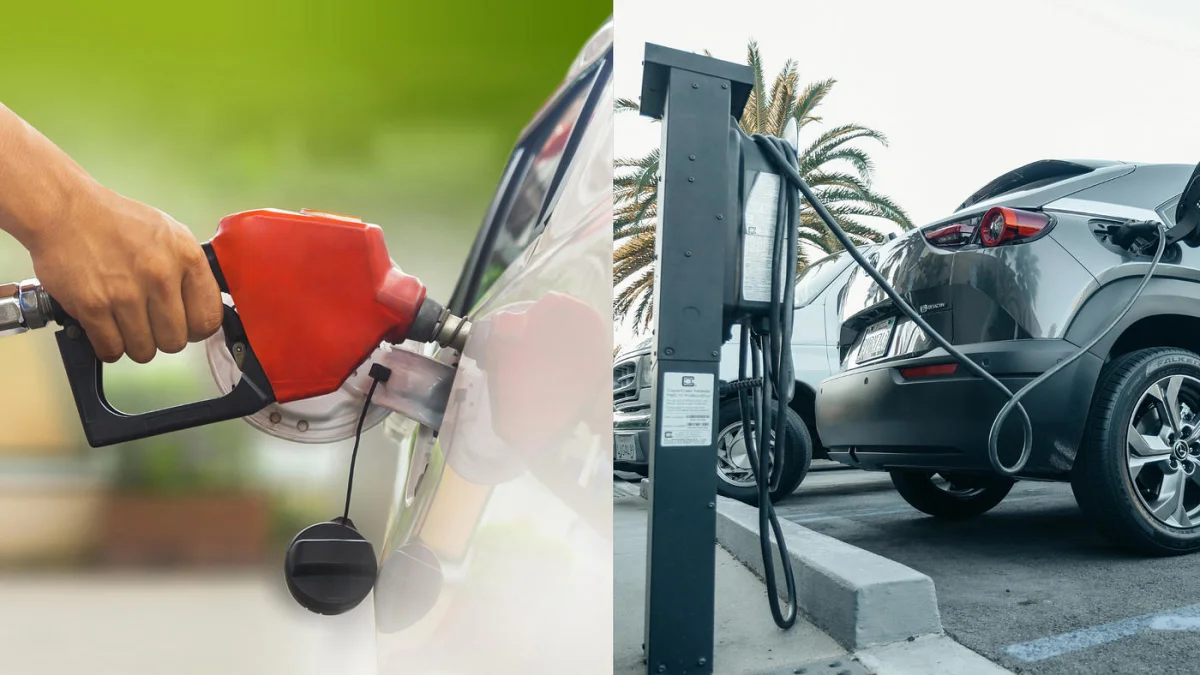
Europe Softens 2035 Combustion Ban as Germany, France, and Italy Push for Flexible Rules
Europe is softening its planned 2035 ban on internal combustion engines following a Franco-German agreement backed by Italy. The European Commission has proposed lowering the emissions reduction target from 100% to just 90%, allowing the remaining share to be offset through biofuels and e-fuels. The deal opens the door for registering combustion-engine cars after 2035 if they run on renewable or low-emission fuels. This shift gives automakers more flexibility and impacts their strategies in emerging markets like Egypt.
The European Commission has proposed lowering the 2035 emissions reduction target for new cars from 100% to just 90%, a move backed by Germany, France, and Italy. This shift reopens the door for internal combustion engines after years of aggressive electric-only policy. Europe is changing course.
What the softened 2035 rules mean for Mercedes and Volkswagen
The original rules were strict — a full 100% reduction in CO2 emissions from new cars starting 2035, effectively mandating zero-emission vehicles at the tailpipe. In December 2025, the European Commission presented a new proposal reducing the target to 90%, allowing the remaining share to be offset through low-carbon materials, e-fuels, or biofuels. That opening brought combustion engines back into the equation.
But what does this mean for owners of BMW and Audi in Egypt? The new flexibility could slow the forced march toward electric vehicles and give automakers more room to develop cleaner combustion engines running on renewable fuels. The Egyptian market may benefit from an extended life for petrol engines.
Franco-German agreement redraws the automotive map
In October 2026, France and Germany reached a joint understanding pushing for greater flexibility. The deal keeps the emissions reduction at 90% in 2035 but doesn't obligate companies to offset the remaining share the way the Commission proposed. More importantly, it calls for a legal framework allowing the registration and use of cars with internal combustion engines after 2035 if they run on renewable or low-emission fuels. That legal framework is what companies like Toyota and Hyundai have been waiting for.
German Chancellor Friedrich Merz confirmed that Italy fundamentally agrees with the new direction, particularly on enabling biofuels and preserving a future for combustion engines after 2035. Rome has repeatedly demanded that internal combustion technologies be allowed to continue as long as their emissions can be reduced using alternative fuels. Italy isn't alone — Fiat and Renault are waiting for regulatory clarity.
Technological neutrality becomes the new mantra
Italy has been among the loudest voices calling for technological neutrality — not limiting the future of cars to electricity alone. This principle means hybrids, biofuels, hydrogen, and electric are all acceptable paths. For a market like Egypt, where charging infrastructure remains limited, this approach offers greater realism in managing the transition.
Cars from Nissan and Kia, which are investing heavily in hybrids, may find a more flexible regulatory environment in Europe, reflecting on their global strategies. The European decision isn't final yet — but it breaks the taboo Brussels imposed for years.
Frequently Asked Questions
3 questions answered
Related News
View All News
Yttrium Crisis Hits Global Supply Chains, Threatens Auto and Aviation Industries as Japan and US Face Rare Earth Test
The yttrium crisis is escalating after China's rare earth export restrictions, threatening Japan's stockpiles within months. Yttrium oxide prices have reached $1,150 per kilogram outside China versus just $9 inside…
BYD Ignites German Price War with 32% Discount, Challenging Volkswagen and Mercedes
BYD offered discounts of 27.5% and 31.8% on its plug-in hybrid models in Germany during August. The company captured 10.7% of the market in July, taking fourth place. Discounts exceeded…
Mercedes, BMW, Volkswagen, and Porsche Sales Collapse 40% in China
German automotive giants saw sales in China plunge between 30% and 40% during parts of this year, outpacing the overall market's 20% contraction. The development cycle gap — 18 months…
China Car Sales Set to Drop to 18.5 Million Units in 2026
Passenger car sales in China are projected to drop to 18.5 million units in 2026, down from 23.7 million in 2025. Forecasts point to a limited 2% recovery in 2027…
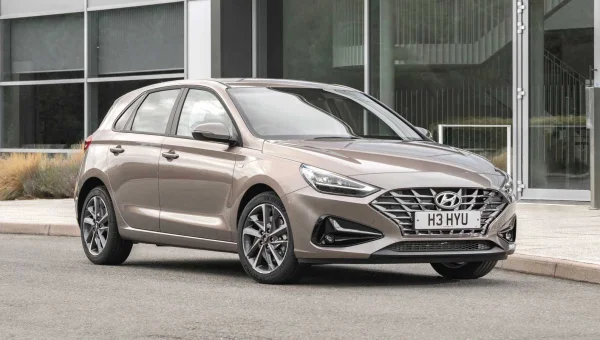
Hyundai Hydrogen Sales Surpass 50,000 Units in Korea
Hyundai Motor's cumulative hydrogen fuel cell vehicle sales in South Korea have exceeded 50,262 units as of the end of September. The Nexo SUV, launched in 2018, accounts for the…

