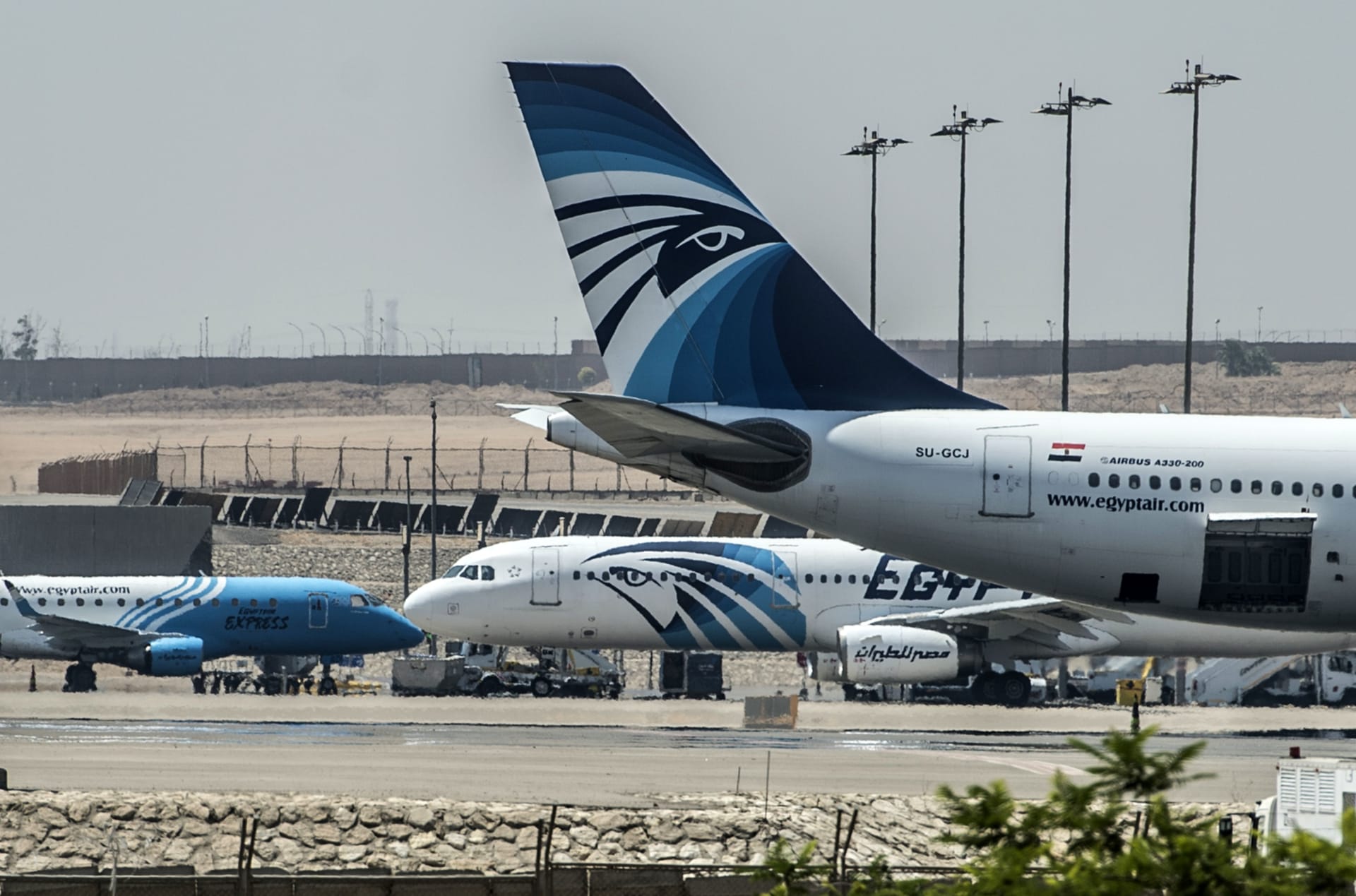
Egyptian Airports Win International Acclaim, Handle 9.4 Million Passengers in 4 Months
The Media Center of the Egyptian Cabinet has confirmed that the country's airports continue to solidify their position as key aviation hubs in the region, successfully accommodating the growing global travel demand. These airports have garnered widespread international praise for their operational capacity and efficient infrastructure, driven by the state's ambitious plan to develop and expand airports while increasing their capacity.
Exceptional Performance Amid Challenges
Through a series of infographics, the center highlighted that Egyptian airports have demonstrated their ability to handle regional challenges and rapid changes in air traffic. The International Civil Aviation Organization (ICAO) praised their success in accommodating a large number of emergency and rescheduled flights due to the closure of several regional airspaces, underscoring the strength and efficiency of Egypt's civil aviation system.
Praise from Major International Bodies
Development efforts have also drawn commendations from specialized international organizations. The World Travel and Tourism Council described Egypt as a model of resilience in the travel and tourism sector, thanks to the expansion of airport capacity and infrastructure upgrades. Wego platform emphasized the importance of Egyptian airspace as a corridor for rerouted flights following airspace closures in neighboring countries. Meanwhile, the BRICS group praised the notable growth in passenger traffic at Egyptian airports in 2026.
Record-Breaking Operational Figures
Data reveals remarkable growth in operational indicators during the first four months of 2026. The number of flights at Egyptian airports increased by 7.4% to reach 70,700 flights, compared to 65,800 flights during the same period in 2025. Passenger numbers also rose by 6.8% to 9.4 million passengers, up from 8.8 million passengers in the corresponding period.
Airport Expansion and Capacity Boost
As part of ongoing expansion, the number of Egyptian airports has increased to 23 in 2026, following the construction of four new airports, compared to 19 airports in 2014. This expansion enhances the country's ability to absorb anticipated growth in travel and tourism.
Major Development Projects
The infographics highlighted major development projects at Egyptian airports, led by Cairo International Airport, which currently has an annual capacity of over 30 million passengers. Plans are in place to double this capacity to more than 60 million passengers after the construction of Terminal 4. Expansions at Hurghada, Sharm El-Sheikh, and Alexandria airports further bolster Egypt's position as a leading regional aviation and tourism hub.
Related News
View All News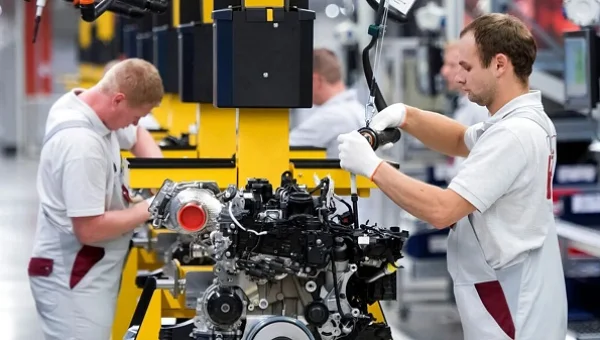
‘Made in Europe’ Rules Threaten UK Car Exports as Over 5,000 Amendments Delay Resolution
The UK automotive industry is facing a new crisis as ‘Made in Europe’ rules could exclude British products from preferential treatment within the EU. The situation is complicated by more…

Honda and Toyota Recall 1.6 Million Cars Over Takata Airbag Risk
Honda and Toyota are recalling approximately 1.6 million vehicles globally due to potentially defective Takata airbag inflators. The campaign covers 810,592 Honda and Acura vehicles in the US and about…

Europe's EV Registrations Jump 60% in October
Battery-electric vehicle registrations in Europe jumped more than 60% in October year-on-year, reaching 295,252 units and a 32.1% market share. Europe has logged 2.33 million EV registrations since the start…

Japanese Legend Car Prices Soar to Unprecedented Levels at Global Auctions
Prices for classic Japanese sports cars have soared to unprecedented levels at global auctions, driven by nostalgia and film fame. Hagerty values a pristine Acura NSX at around $250,000, while…
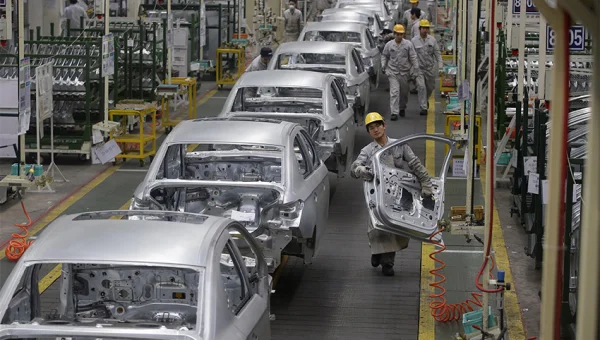
Oil Tanker Fires in Hormuz Ignite Global Auto Industry Supply Chain Fears
Escalating tensions in the Strait of Hormuz and oil tanker fires threaten the global auto industry with supply chain disruption and higher production, shipping, and insurance costs. Feeder industries such…