Dubai Rolls Out Driverless Uber Rides with Apollo Go Robotaxis
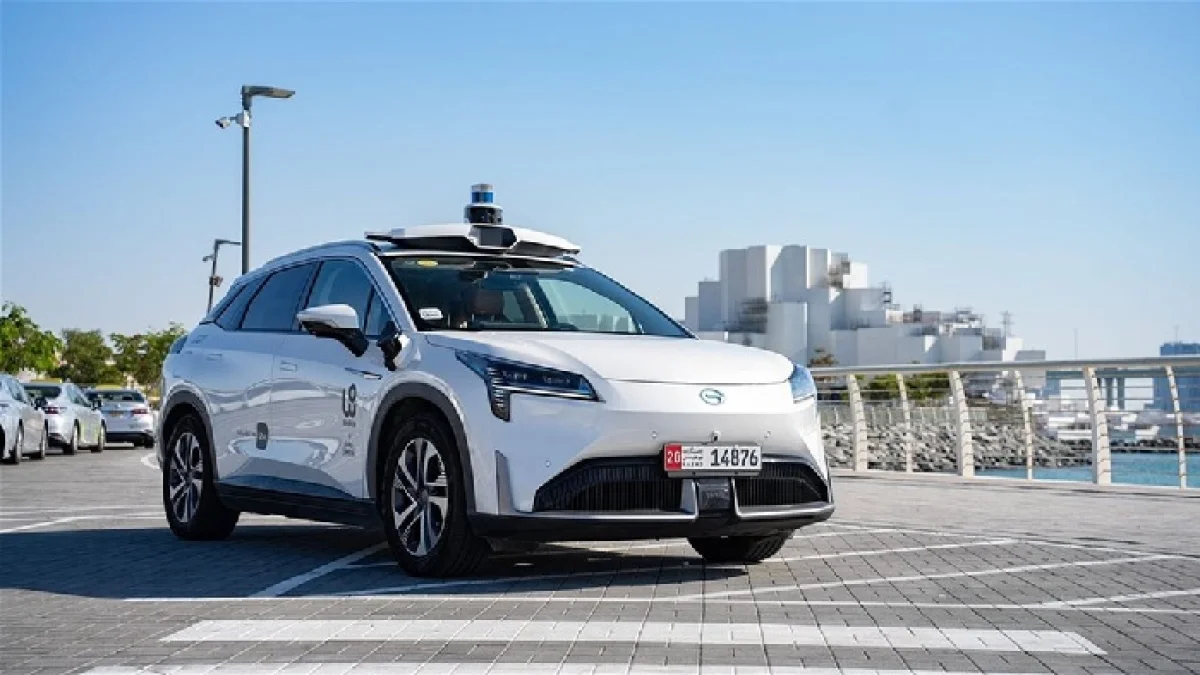
Uber has started offering fully autonomous Apollo Go vehicles, developed by China's Baidu, on its platform in Dubai starting August 20, 2026. The electric robotaxi seats three passengers and features over 30 sensors for environmental monitoring. The service begins in Jumeirah and Umm Suqeim through UberX, Uber Comfort, and a dedicated Autonomous category. This move transitions self-driving technology from testing phases to direct commercial use on public roads.
The future of ride-hailing just arrived in Dubai. Uber has officially activated its fully autonomous Apollo Go vehicles — developed by Chinese tech giant Baidu — on its platform starting August 20, 2026, making the emirate the first market where this partnership becomes a real, passenger-ready service. This is no longer a test-zone experiment.
How to Book a Driverless Car
Users don't need a separate app to experience autonomous travel. Uber customers in covered areas can request a ride through UberX or Uber Comfort. They may be matched with an Apollo Go vehicle. But for those who specifically want a driverless ride, selecting the dedicated Autonomous category inside the Uber app increases the chances of getting one of these self-driving vehicles.
Dubai-based «New Horizon Luxury Transport» will operate the fleet, with service launching in selected areas of Jumeirah and Umm Suqeim before expanding gradually. The vehicles operate with no human driver onboard — a direct commercial deployment of autonomous driving technology on open public roads.
An Electric Car Watching the Road with 30+ Sensors
The service relies on the sixth-generation Apollo Go RT6, an electric vehicle built from the ground up as a robotaxi rather than a conventional car retrofitted with self-driving tech. The RT6 seats three passengers and packs more than 30 sensors for environmental monitoring, alongside real-time onboard data processing systems.
These sensors enable the car to identify roads, vehicles, and pedestrians while making driving decisions without human intervention. The entire operating system runs on artificial intelligence, advanced sensing technology, and autonomous decision-making algorithms — all designed to handle real traffic conditions within approved operational zones.
What This Means for Smart Mobility
The headline number isn't just the sensor count — it's the fundamental shift in how mobility services are delivered. Instead of waiting for a human-driven car, passengers now receive a fully electric vehicle that drives itself. This move positions Dubai ahead of many global cities in commercial autonomous transport adoption. It could pave the way for similar technologies across regional markets in the coming years.
Frequently Asked Questions
3 questions answered
Related News
View All News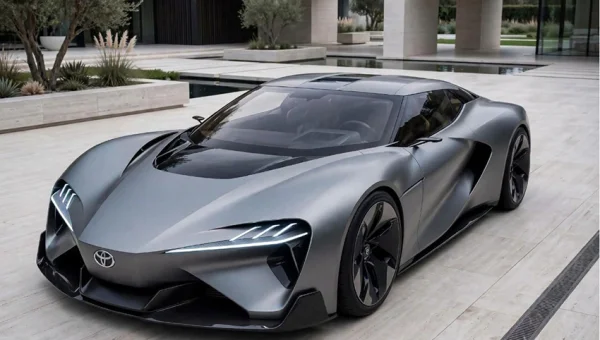
From California to the Streets: How Toyota FT-1 Evolved from Future Toyota Dream to the Real GR Supra
Toyota unveiled the FT-1 concept roughly five years before launching the fifth-generation Supra. Developed at Calty studio in California, the car previewed the sports design language that carried over to…
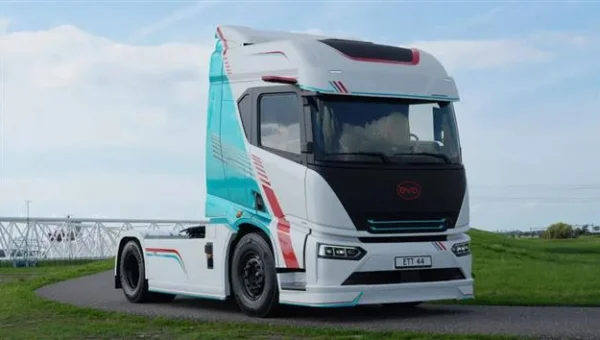
BYD Launches 600 km Electric Truck Assault on European Giants
BYD is preparing to launch its first heavy-duty truck in Europe with a range of up to 600 kilometers on a single charge, with battery charging from 20% to 80%…

Stellantis Unveils FaSTLane 2030 at Paris: 60 Cars, 8 Brands, and Morocco at the Heart of the Global Event
Stellantis has revealed its new FaSTLane 2030 strategy during its largest-ever participation at the 2026 Paris Motor Show, occupying a pavilion exceeding 5,000 square meters. The group is showcasing over…
European Car Market Rebounds After Sales Slump
Europe's new car market returned to growth in February 2026 with 926,000 registrations, fueled by battery electric vehicles reaching 15.2% share and hybrids hitting 34.5%. Chinese brands like BYD and…
Kia Claims Second Place in UK with 76,850 Vehicles in Eight Months
Kia ranked second in UK car sales with 76,850 vehicles sold from January to August, a 2.3% increase year-on-year. The performance was fueled by strong demand for the Sportage SUV,…