Chinese Dragon Threatens German Den: Chery and Volkswagen in Electric Battle
Competition between Chinese and German automakers is intensifying in the global car market, with Chery emerging as a key player targeting European expansion through competitively priced electric models. Volkswagen faces declining market share after nearly 25 years of dominance in China. The shift to electric vehicles and changing consumer preferences are pressuring German manufacturers to adopt new strategies focused on technology and pricing.
The competition is fierce. Chinese automaker Chery is spearheading a global expansion into Europe, banking on competitive pricing and advanced technology, while Volkswagen faces unprecedented pressure after dominating the Chinese market for nearly 25 years. The game has changed.
Chery Redraws the Competitive Map in Europe
Chinese brands are no longer just newcomers in Europe. Chery is betting on achieving significant sales in the coming years through a diverse lineup, led by electric vehicles that have become the most critical battleground in the global auto market. The Chinese ambition goes beyond price, extending to technology that now dictates purchase decisions for European consumers seeking real value for their money.
Volkswagen Under Pressure: 25 Years of Dominance Shifting
For nearly 25 years, Volkswagen led Chinese market sales without a real challenger. That picture has flipped. According to a report, the German brand's share has declined against Chinese competitors, coinciding with the rapid shift toward electric vehicles and the growing weight of technology and price in purchase decisions. This new equation has unsettled German manufacturers accustomed to consumer loyalty.
Electricity: China's Weapon in the Global Market Battle
The shift to electric isn't just a tech trend. Chinese companies are using it to expand their influence by offering multiple models that combine modern technology with lower prices, giving them a greater chance to compete with European brands within their own markets. Chery is rolling out competitively priced electric models, while Volkswagen needs massive investments to develop its electric production lines. The speed gap creates the market share gap.
What Does This Mean for the Future of German Industry?
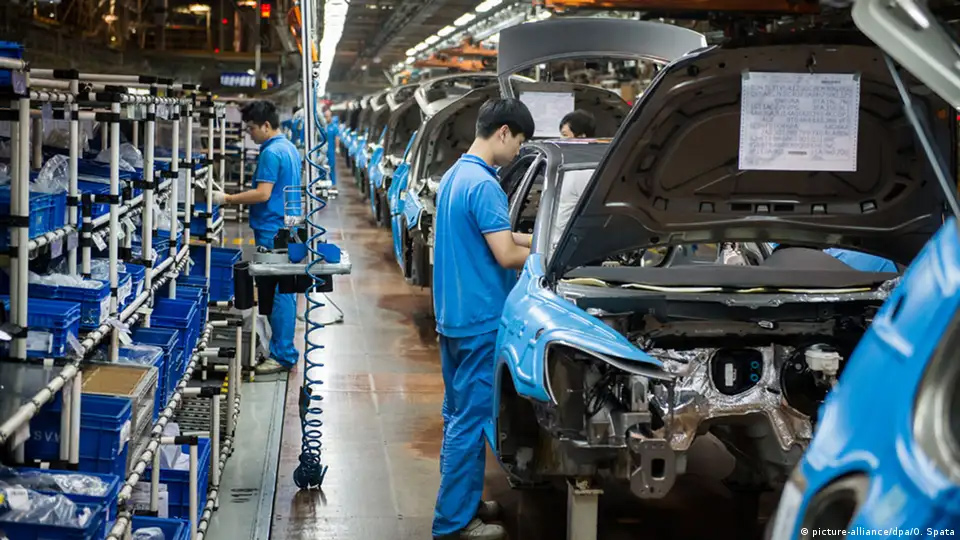
As this expansion continues, the European auto industry enters a new phase of competition. Maintaining status is now tied to development speed and the ability to offer electric technology at prices that attract consumers. Those who slow down lose. Those who cut costs and develop quickly may survive in a market where name alone no longer holds enough value. Chinese competition is no longer a looming threat — it's a reality imposing itself on German factory floors.
Frequently Asked Questions
3 questions answered
Related News
View All News
‘Made in Europe’ Rules Threaten UK Car Exports as Over 5,000 Amendments Delay Resolution
The UK automotive industry is facing a new crisis as ‘Made in Europe’ rules could exclude British products from preferential treatment within the EU. The situation is complicated by more…
Honda and Toyota Recall 1.6 Million Cars Over Takata Airbag Risk
Honda and Toyota are recalling approximately 1.6 million vehicles globally due to potentially defective Takata airbag inflators. The campaign covers 810,592 Honda and Acura vehicles in the US and about…
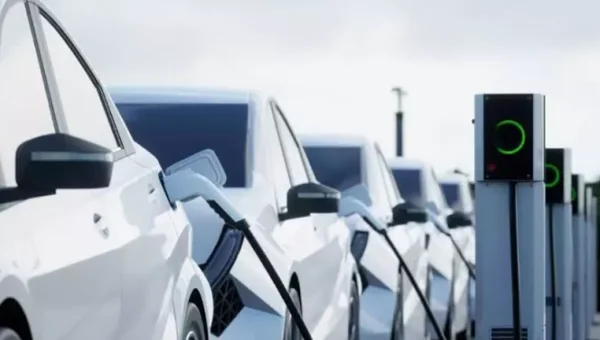
Europe's EV Registrations Jump 60% in October
Battery-electric vehicle registrations in Europe jumped more than 60% in October year-on-year, reaching 295,252 units and a 32.1% market share. Europe has logged 2.33 million EV registrations since the start…
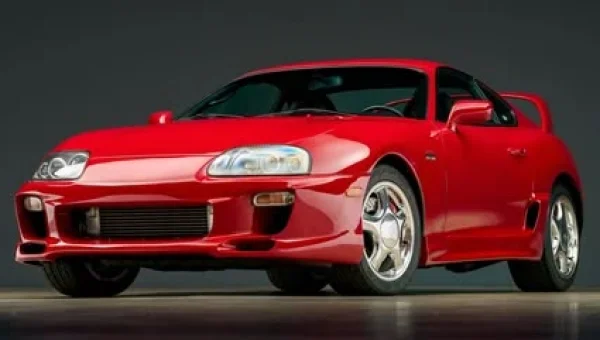
Japanese Legend Car Prices Soar to Unprecedented Levels at Global Auctions
Prices for classic Japanese sports cars have soared to unprecedented levels at global auctions, driven by nostalgia and film fame. Hagerty values a pristine Acura NSX at around $250,000, while…
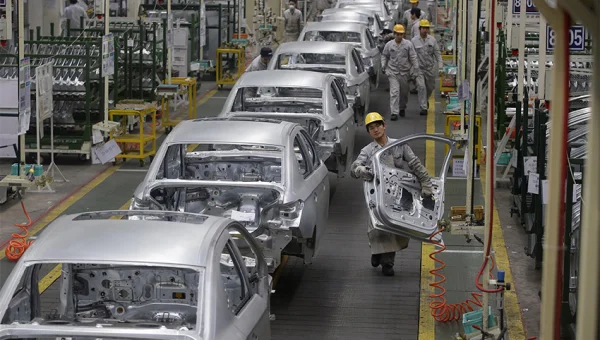
Oil Tanker Fires in Hormuz Ignite Global Auto Industry Supply Chain Fears
Escalating tensions in the Strait of Hormuz and oil tanker fires threaten the global auto industry with supply chain disruption and higher production, shipping, and insurance costs. Feeder industries such…