China Tightens Grip on Carmakers: Mandatory Tests Before Any New Model Launch
China has announced stricter approval rules for new vehicles by raising testing and technical verification requirements before commercial launch. The decision targets quality risks in smart cars equipped with advanced driving systems. Automakers must now prove production vehicles match certified specifications. The national plan for new energy vehicle development runs from 2026 through 2030.
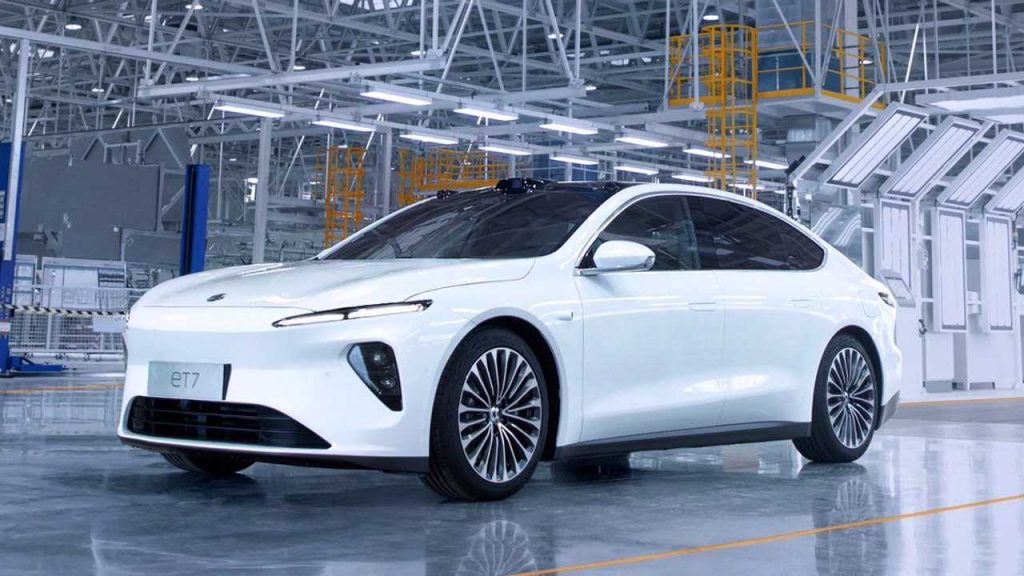
China's Ministry of Industry and Information Technology has announced stricter approval rules for new vehicles, a decisive move aimed at curbing quality and safety risks fueled by the breakneck pace of innovation in smart cars. Manufacturers will now face far deeper scrutiny before any new model reaches showroom floors.
53 incidents linked to intelligent driving systems over the past year pushed Beijing to rethink its entire testing methodology. Shen Guo Bin, Vice Minister of Industry and Information Technology, admitted that some new designs and technologies were installed in vehicles before completing the necessary technical verification tests. The statement carried an unmistakable warning tone aimed at every automaker operating within China's borders.
Higher Testing and Verification Standards
The ministry plans to raise testing and verification requirements before granting any final commercial approval, with intensified reviews for products featuring innovative engineering designs or cutting-edge technologies. The days of inspecting only prototype models are officially over. Automakers must now prove that actual production vehicles perfectly match the specifications that passed certification testing — not merely that a specially prepared showcase unit succeeded.
Here's the number that matters most. The national development plan for smart connected new energy vehicles runs from 2026 through 2030. This period will see maximum enforcement intensity. Companies that once relied on launch speed as their competitive advantage will need to completely restructure their research and development operations.
What This Means for the Global Market
China isn't just the world's largest car market; it's also the primary source of electric and hybrid vehicles flowing into regional markets across the Middle East and North Africa. Any shift in certification policy there directly impacts arrival timelines for new models in those regions. Manufacturers planning 2027 launches should monitor these regulatory developments with intense focus.
The new regime places the burden of proof squarely on manufacturers' shoulders — an impressive prototype is no longer sufficient. The industry is transitioning into an era demanding comprehensive evidence of safety and reliability for every vehicle rolling off production lines. That marks a fundamental shift from the rapid-launch philosophy that defined the sector in recent years.
Frequently Asked Questions
3 questions answered
Related News
View All News
‘Made in Europe’ Rules Threaten UK Car Exports as Over 5,000 Amendments Delay Resolution
The UK automotive industry is facing a new crisis as ‘Made in Europe’ rules could exclude British products from preferential treatment within the EU. The situation is complicated by more…
Honda and Toyota Recall 1.6 Million Cars Over Takata Airbag Risk
Honda and Toyota are recalling approximately 1.6 million vehicles globally due to potentially defective Takata airbag inflators. The campaign covers 810,592 Honda and Acura vehicles in the US and about…
Europe's EV Registrations Jump 60% in October
Battery-electric vehicle registrations in Europe jumped more than 60% in October year-on-year, reaching 295,252 units and a 32.1% market share. Europe has logged 2.33 million EV registrations since the start…
Japanese Legend Car Prices Soar to Unprecedented Levels at Global Auctions
Prices for classic Japanese sports cars have soared to unprecedented levels at global auctions, driven by nostalgia and film fame. Hagerty values a pristine Acura NSX at around $250,000, while…
Oil Tanker Fires in Hormuz Ignite Global Auto Industry Supply Chain Fears
Escalating tensions in the Strait of Hormuz and oil tanker fires threaten the global auto industry with supply chain disruption and higher production, shipping, and insurance costs. Feeder industries such…