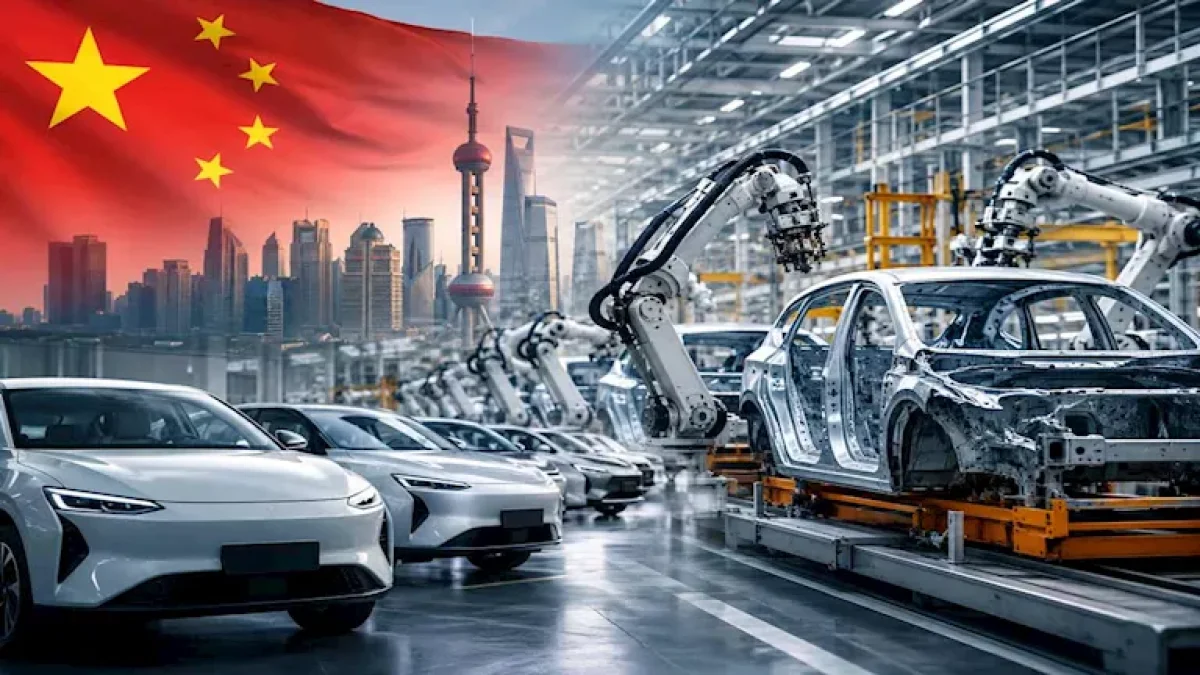
China Shuts Down 8 Traditional Car Plants: Brilliance and Zotye Among the Most Prominent
China's Ministry of Industry and Information Technology (MIIT) has announced a regulatory decision under Batch 408, permanently revoking production licenses and removing 8 traditional car manufacturing companies from the national registry, effective this June. This move is part of a comprehensive strategic plan to tackle the severe overcapacity crisis and price war that has gripped the Chinese automotive market in recent years.
Reasons Behind the Closures: Overcapacity and Margin Decline
The Chinese government's decision to shut down or freeze car production lines is neither sudden nor impulsive; it follows strict liquidation mechanisms to address the country's overcapacity problem. According to specialized reports, the total manufacturing capacity of Chinese plants reaches about 50 million vehicles annually, while actual production and sales volume barely exceeds 34.5 million vehicles, creating a significant gap known as "production overcapacity." The sector's profit margin has fallen to just 3.2%, prompting both the government and major companies to close inefficient factories and restructure the industry.
List of Companies Affected by the Decision
The decision covers 8 traditional car companies, most notably Brilliance Auto, whose passenger car manufacturing license under its local brand was revoked, while its joint venture with BMW remained unaffected. The decision also hit Zotye Auto, known for producing cars mimicking global brands like Porsche, with production officially halted due to weak funding and lack of investment in research and development. Other closed companies include FAW Xiali, one of China's oldest economy car makers, and Leopaard (Changfeng), which specialized in SUVs for government use but failed to keep up with the shift toward electric vehicles.
Other Companies on the List
The list also includes Lifan Auto, which started as a motorcycle manufacturer before expanding into cars but faced financial difficulties leading to a production halt. Hawtai Motor saw its entire production lines stopped due to severe financial crises, while BAIC Yinxiang, the manufacturer of Huansu brand vehicles, and Haima Automobile, whose main traditional production lines had their licenses revoked, were also included. This list highlights the scale of challenges facing traditional car companies in China amid the rapid transition toward electric vehicles.
Impact on the Global Automotive Industry
This decision represents a radical shift in China's automotive industry policy, aiming to reduce the number of inefficient companies and enhance the competitiveness of innovative brands. Closing these plants is expected to reduce overcapacity and improve profit margins for remaining companies, especially with rising demand for electric and hybrid vehicles. This move may also encourage global car manufacturers to reassess their investments in the Chinese market, which remains the world's largest automotive market.
Related News
View All News
Tesla Roadster Jumps Mid-Air with SpaceX-Inspired Rocket Technology
Tesla has revealed the next-generation Roadster in a Texas demonstration where the car jumped into the air and rotated before landing, using thrusters inspired by SpaceX rockets. The system relies…
Opel CEO: 1000 km Electric Car Possible Technically, But Economically Illogical
Opel CEO Florian Huettl stated that a 1,000-kilometer electric car is technically feasible but economically illogical due to cost and weight. Speaking at the 2026 Paris Motor Show, he explained…
BYD Launches 600 km Electric Truck Offensive Against European Giants
BYD has announced its entry into Europe's heavy truck sector with an electric model offering up to 600 kilometers of range and a 20% to 80% charge time of roughly…
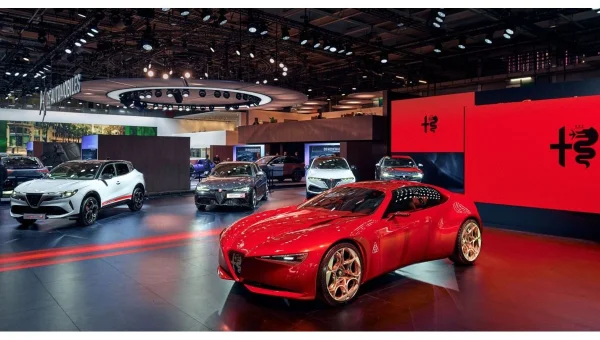
Alfa Romeo Steals the Spotlight at Paris Motor Show 2026 with Cuorerosso Concept
Alfa Romeo has unveiled the Cuorerosso concept car in its world premiere at the Paris International Motor Show 2026. The stand features the Junior, Tonale, Giulia, and Stelvio in the…
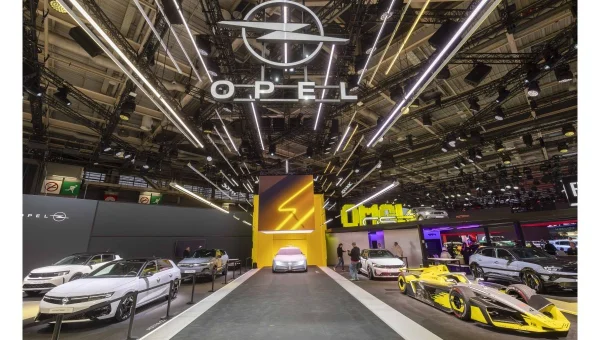
Opel Unveils High-Performance GSE Models at Paris Motor Show 2026
Opel has revealed its complete GSE high-performance lineup at the Paris Motor Show 2026, featuring the world premiere of the GSE 27FE electric race car with over 800 horsepower. The…