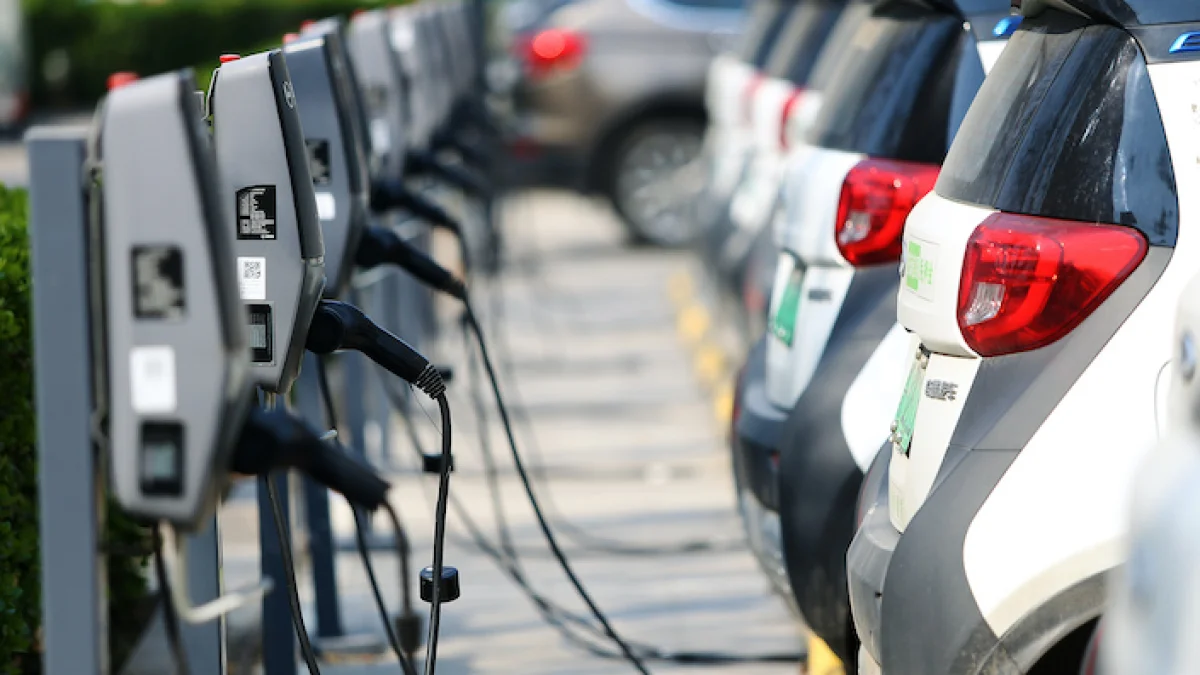
China's New Energy Vehicle Penetration Rate Surges to 65.1%
The numbers are nothing short of historic. China's Passenger Car Association reported that the new energy vehicle penetration rate hit 65.1% of total retail passenger car sales in July, marking the highest level ever recorded in the world's largest auto market.
The jump represents an 11.6 percentage point increase year-over-year, and a 2.1 point gain from the previous month. These figures signal a fundamental shift in Chinese consumer behaviour, where electric and hybrid vehicles are no longer a niche choice but the default option for the majority of buyers.
Local Brands Outpace Luxury Segment
The data reveals a striking divide between market segments. NEV penetration among local Chinese brands reached 83.8%, while luxury vehicles lagged far behind at just 30.9%. The gap underscores the impact of government subsidies, expanding charging infrastructure. The aggressive electrification strategies of domestic manufacturers.
Penetration rate in this context is a straightforward metric: it represents the share of new energy vehicle sales out of total vehicle sales during a given period. A rate above 60% signals that combustion-engine cars have clearly lost their dominant position in the market.
July Sales and Production Figures
Retail NEV sales reached 951,000 units in July, an impressive volume that still represents a 3.9% year-over-year decline. Cumulative retail sales for the first seven months of the year totaled 5.67 million units, keeping the market on a strong trajectory despite the monthly dip.
Production side tells an even more aggressive story. July output hit 1.45 million units, up 25.6% annually, while cumulative output between January and July reached 8.21 million units, a 7.9% increase. Manufacturing capacity is clearly expanding faster than retail demand, a sign of intensifying competition and export ambitions.
The shift here goes beyond consumption trends, reshaping the entire global automotive supply chain as China increasingly relies on its own battery technology, electric powertrains, and software ecosystems.
Related News
View All News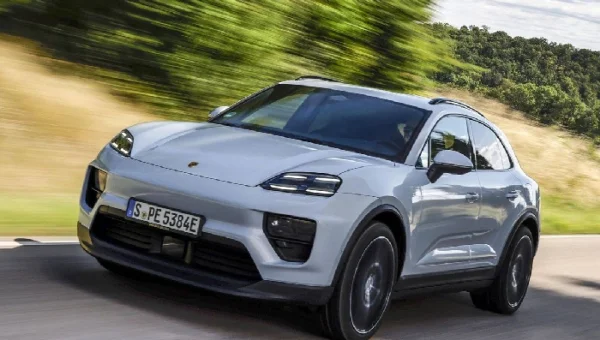
Porsche Brings Petrol Power Back to Macan Class with New SUV in 2028
Porsche is preparing to reintroduce petrol and hybrid engines to the compact SUV segment through a new standalone model planned for around 2028. The move follows the end of combustion…

Tarek Masoud: Africa Has a Historic Opportunity to Build a Global Auto Industry Hub
Tarek Masoud, President of the African Association of Automotive Manufacturers, called on governments and the private sector to accelerate concrete industrial projects rather than just policies. Speaking at the Africa…

General Motors Sales Drop 5.5% in Q3 as EV Demand Cools
General Motors announced a 5.5% drop in Q3 sales to 670,974 vehicles. Electric vehicle sales plummeted after federal incentives ended, with Equinox EV falling 92.4%. Meanwhile, Toyota's electrified vehicle sales…
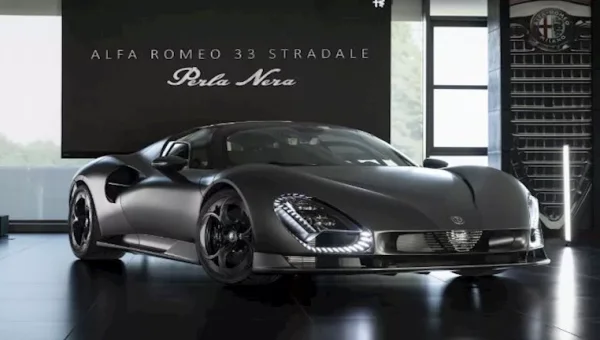
Alfa Romeo Unveils the Only 33 Stradale Perla Nera in the World at Arese Museum
Alfa Romeo has unveiled the only unit in the world of its 33 Stradale Perla Nera, featuring a fully exposed carbon fiber body with a matte finish. The car is…
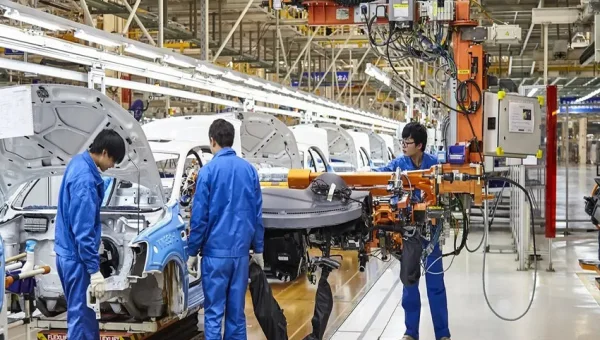
China Faces Crisis as 4 Million Unsold Cars Pile Up — Experts Warn of Golden Era's End
China's automotive industry is grappling with a mounting crisis as more than 4 million unsold vehicles pile up in the world's largest car market. Production stands at 33 million cars…