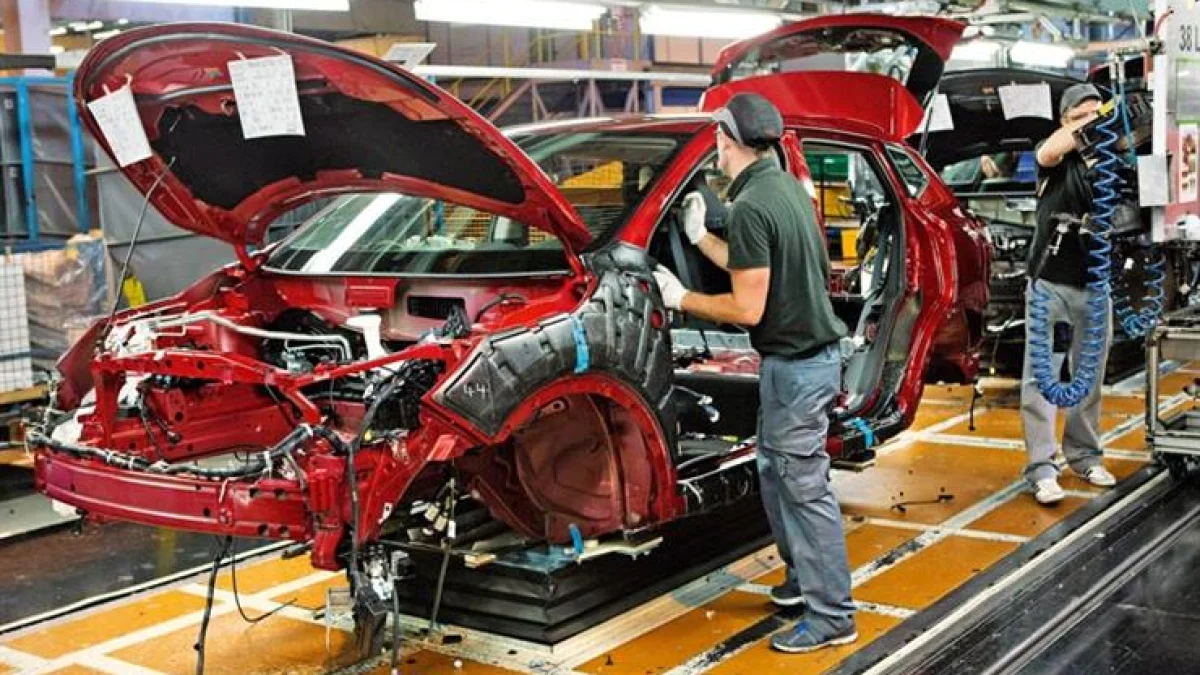
China Deepens Grip on European Auto Industry Through Parts Supplier Acquisitions
Chinese companies continue expanding their influence within the European automotive industry by acquiring over 130 local parts manufacturing firms, most concentrated in Germany and France. Rhodium Group data shows Geely acquired Volvo for $1.8 billion, reflecting Beijing's broader expansion strategy. These moves have raised EU officials' concerns about reshaping the continent's parts supply industry in favor of Chinese companies.
Over 130 European auto parts manufacturers now fall within the scope of Chinese investment, according to the London-based Rhodium Group consultancy. The Chinese push goes far beyond exporting finished vehicles to European showrooms — it strikes at the industry's core through acquisitions of local suppliers concentrated in Germany and France.
Beijing's Strategy Inside Europe's Industrial Heartland
These moves have sparked serious concern among European Union officials. Export growth of Chinese cars into the EU market is one thing, but the prospect of reshaping the continent's entire parts industry in favor of Chinese companies is another matter entirely.
German and French production hubs form the backbone of Europe's automotive sector. Rhodium's data reveals a deliberate strategy aimed at expanding well beyond domestic borders.
Geely-Volvo Deal Sets the Pattern
Chinese Geely acquired Swedish Volvo for $1.8 billion in a landmark deal that mirrors Beijing's broader push into European markets. The transition from mere supplier to full owner of heritage brands could not be clearer.
The acquisitions have not stopped at famous marques. Chinese influence extends through direct investment in specialized suppliers of critical components. Batteries and energy systems top the target list. Europe now faces an existential challenge on its home turf.
Nor does this end with the current landscape. Chinese firms continue cementing their presence in the European supply chain through smaller yet more numerous deals targeting financially strained local businesses. The pressing question now revolves around the EU's ability to shield its domestic manufacturers from rising acquisition momentum.
Frequently Asked Questions
2 questions answered
Related News
View All News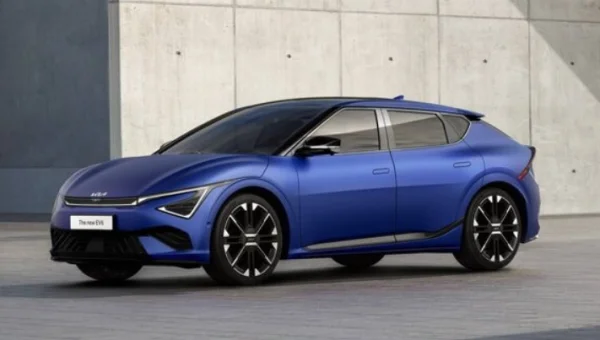
Kia Claims Second Place in UK with 76,850 Vehicles in Eight Months
Kia ranked second in UK car sales with 76,850 vehicles sold from January to August, a 2.3% increase year-on-year. The performance was fueled by strong demand for the Sportage SUV,…
Electric Vehicles Sweep Europe in 2026: 1.64 Million Units Sold as Cheaper Models and Pricier Fuel Shift the Market
Electric vehicle sales in the European Union reached 1.64 million units between January and August 2026, a 45% increase year-on-year. EVs captured 22% of the total car market, with available…
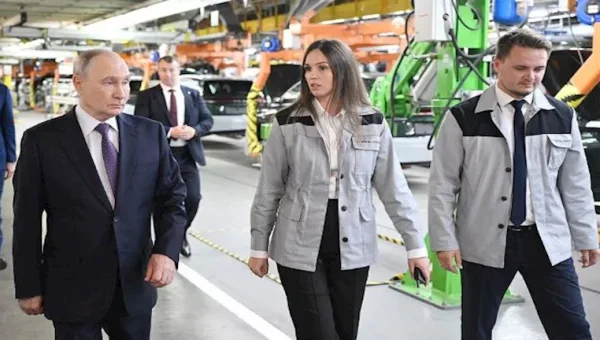
After Putin's Remarks on Chinese Cars Dominance.. Where Are Russia's Most Famous Cars?
Russian President Vladimir Putin predicted that Chinese cars will become the most widespread globally in the coming years, speaking at the Valdai International Discussion Club in October 2026. His remarks…

Mercedes 170 S: From Abdel Halim's Era to Million-Dollar Auctions — The Icon That Never Dies
The Mercedes-Benz 170 S from 1953 is a classic car tied to Egypt's golden era, owned by legendary singers Abdel Halim Hafez and Farid El Attrash. It was the first…
Britain Caught Between China and Europe: EV Tariffs Ignite a €24 Billion Battle
The British government is under pressure from the European Union to raise tariffs on Chinese electric cars in exchange for trade benefits and joining the "Buy European" program. The UK…