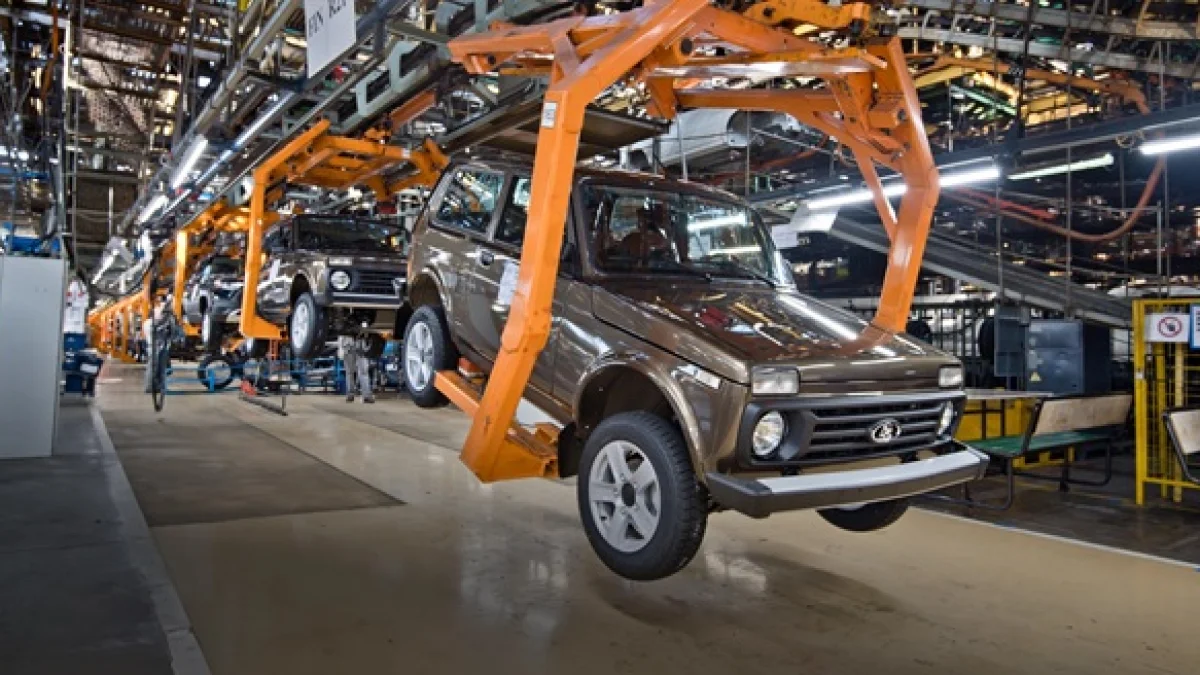
60 Years of AvtoVAZ: How Lada Reached 32 Million Units
32 million cars. That's the total output of Russia's AvtoVAZ, the maker behind the Lada brand, since it was founded six decades ago. The figure spans more than 100 different models and variants.
The story began on July 20, 1966, when a government decree ordered the construction of a car plant in the city of Tolyatti, part of a broader push to expand passenger car production in the Soviet Union. Four years later, in 1970, the first VAZ-2101 rolled off the assembly line, setting the stage for a long lineup of models sold under the Lada name.
From Sedans to the Niva
AvtoVAZ never stuck to one body style. Production eventually expanded to include sedans, hatchbacks, and family-oriented SUVs. The Niva family stands out as a landmark, evolving through several generations and updates that kept it relevant for decades.
Lada also made its mark in Egypt, particularly with the 2107, known locally as Lada 7, alongside the Niva and Samara. Simple designs and a widespread network of service centers and spare parts helped many of these cars remain on the used market to this day.
What's Next for Russian Production
The current lineup includes the Granta, Vesta, Aura, Niva Legend, and Niva Travel, with the Azimut crossover expected to join the range in 2026. Official data shows local content exceeding 90% across most models, while three assembly lines produce around 1,300 cars daily.
The operational scale is massive. More than 45,000 employees work across AvtoVAZ's activities, supported by nearly 1,650 suppliers and a distribution network of about 350 sales and service centers. The company is also working on electric and bi-fuel vehicles, aiming to adapt to shifting industry trends.
Lada still accounts for over a quarter of Russia's passenger car fleet, but competition is intensifying, especially with Chinese automakers expanding rapidly. The 60th anniversary finds AvtoVAZ balancing legacy models with new product launches, from the 1970 VAZ-2101 to a current range that includes traditional cars, SUVs, and versatile powertrains.
Related News
View All News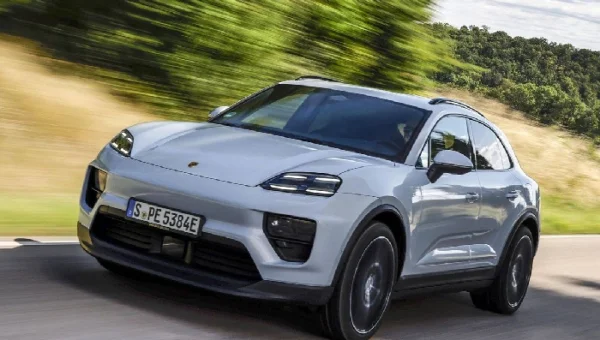
Porsche Brings Petrol Power Back to Macan Class with New SUV in 2028
Porsche is preparing to reintroduce petrol and hybrid engines to the compact SUV segment through a new standalone model planned for around 2028. The move follows the end of combustion…

Tarek Masoud: Africa Has a Historic Opportunity to Build a Global Auto Industry Hub
Tarek Masoud, President of the African Association of Automotive Manufacturers, called on governments and the private sector to accelerate concrete industrial projects rather than just policies. Speaking at the Africa…

General Motors Sales Drop 5.5% in Q3 as EV Demand Cools
General Motors announced a 5.5% drop in Q3 sales to 670,974 vehicles. Electric vehicle sales plummeted after federal incentives ended, with Equinox EV falling 92.4%. Meanwhile, Toyota's electrified vehicle sales…
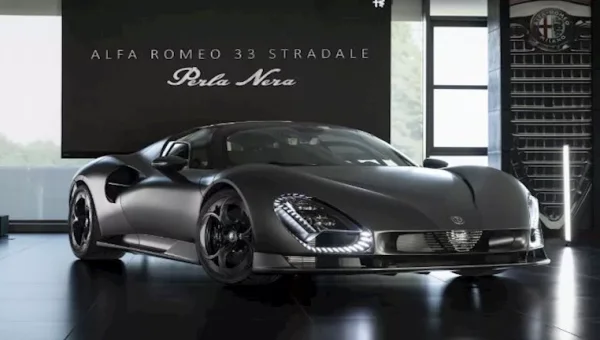
Alfa Romeo Unveils the Only 33 Stradale Perla Nera in the World at Arese Museum
Alfa Romeo has unveiled the only unit in the world of its 33 Stradale Perla Nera, featuring a fully exposed carbon fiber body with a matte finish. The car is…
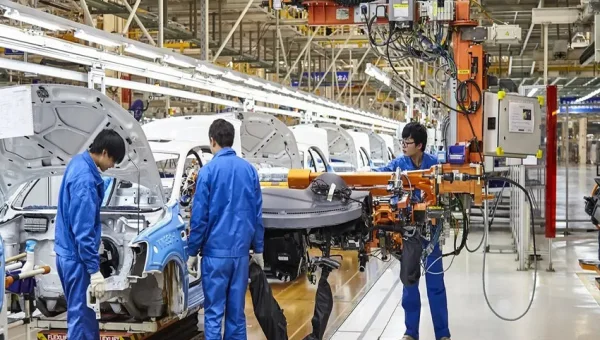
China Faces Crisis as 4 Million Unsold Cars Pile Up — Experts Warn of Golden Era's End
China's automotive industry is grappling with a mounting crisis as more than 4 million unsold vehicles pile up in the world's largest car market. Production stands at 33 million cars…