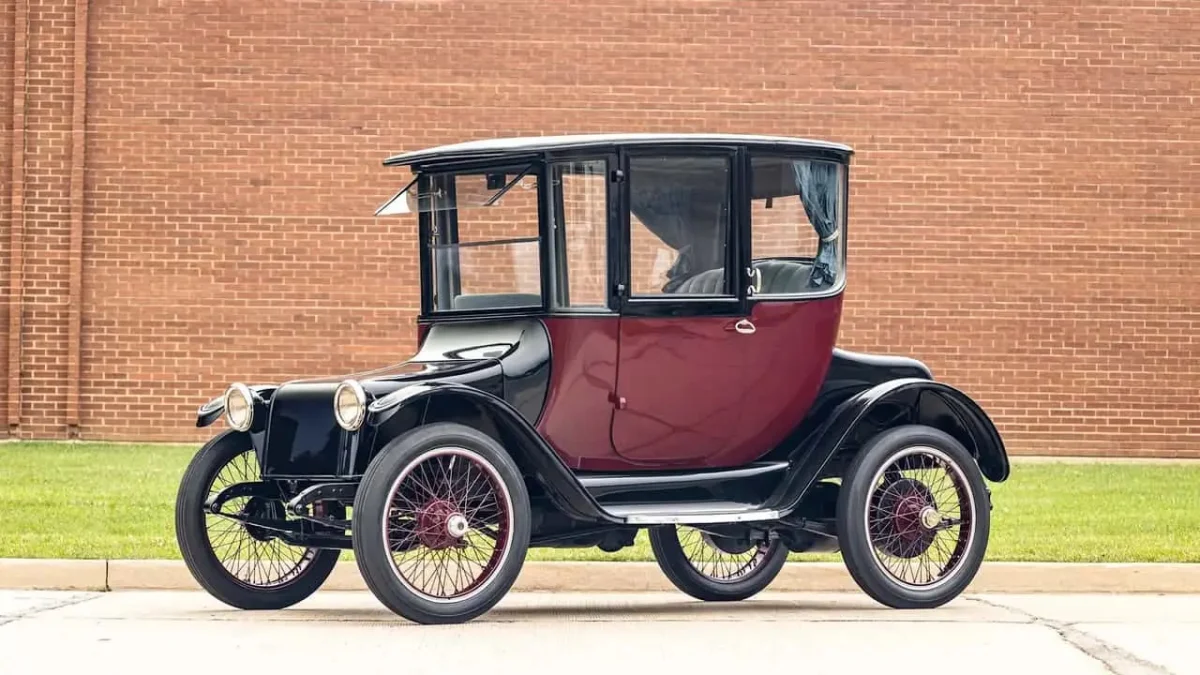
Over 100 Years Before Tesla: This 1918 EV Outranged the Nissan Leaf
The 1918 Detroit Electric Model 75B achieved 80 miles (129 km) on a single charge, surpassing the original Nissan Leaf's official range. Displayed at a Monterey Car Week auction, the EV relied on 42 lead-acid batteries producing just 4.28 hp. Top speed was only 20 mph (32 km/h), with a four-seat cabin arranged as one bench and two separate chairs. This piece of history proves electric mobility is far older than the modern EV era suggests.
The 1918 Detroit Electric Model 75B covered 80 miles (129 km) on a single charge — a figure that beats the original Nissan Leaf's real-world range. That achievement happened over a century before the modern EV boom and long before Tesla existed. The historic vehicle appeared at an auction during Monterey Car Week, drawing attention not just for its nearly 110-year age, but for being an incredibly early example of electric mobility.
80 Miles of Range at Just 20 mph
The number impresses — until you check the fine print. Top speed sat at roughly 20 mph (32 km/h), a figure that makes direct range comparisons with modern EVs unfair, since today's numbers come from controlled testing cycles at highway speeds. Still, the fact that an electric car from that era managed such distance remains genuinely remarkable. Batteries, motor, and chassis — all engineered without computers, without lithium-ion, without anything resembling modern thermal management.
42 Lead-Acid Batteries Powering a Single Motor
The original car used 42 lead-acid batteries, split evenly between front and rear — 21 on each side. These fed a single electric motor producing 4.28 hp, mounted under the floor and sending power to the rear differential. The auction car differs from its original state, though; it's been fitted with modern batteries, so the current range remains unknown, though likely exceeding the original figure. Restorers often make such upgrades to keep century-old electric vehicles driveable and safe.
A Cabin That Feels Alien Today
The interior might be the strangest part of all. It seats four passengers — one long bench on one side, two separate chairs on the opposite side. Nothing about that layout resembles any modern car interior. This odd arrangement reflects an era when electric vehicles were serious competitors to combustion engines, before cheap gasoline won the battle for decades. The 1910s witnessed intense competition between steam, electric. Gasoline powertrains — a chapter of automotive history many enthusiasts overlook.
Modern EVs enjoy a new golden age, yet this historic car proves the roots run deeper than most imagine. From Toyota to Hyundai and Kia, every major manufacturer now battles for 500+ km range figures, but the underlying concept is nothing new — just dramatically improved technology. The question this discovery raises is simple: what would the auto industry look like today if electricity had won that early 20th-century battle?
On modern roads, a 1918 electric car looks bizarre, but it delivers a critical lesson for enthusiasts. Range isn't some modern invention — it's a goal the industry has chased since the very beginning. The first-generation Nissan Leaf managed 117 km officially, while this century-old machine topped that with its documented figure. The takeaway? Progress isn't always linear, and sometimes history proves that the future arrives earlier than we remember.
Frequently Asked Questions
3 questions answered
Related News
View All News
Kia Claims Second Place in UK with 76,850 Vehicles in Eight Months
Kia ranked second in UK car sales with 76,850 vehicles sold from January to August, a 2.3% increase year-on-year. The performance was fueled by strong demand for the Sportage SUV,…
Electric Vehicles Sweep Europe in 2026: 1.64 Million Units Sold as Cheaper Models and Pricier Fuel Shift the Market
Electric vehicle sales in the European Union reached 1.64 million units between January and August 2026, a 45% increase year-on-year. EVs captured 22% of the total car market, with available…

After Putin's Remarks on Chinese Cars Dominance.. Where Are Russia's Most Famous Cars?
Russian President Vladimir Putin predicted that Chinese cars will become the most widespread globally in the coming years, speaking at the Valdai International Discussion Club in October 2026. His remarks…
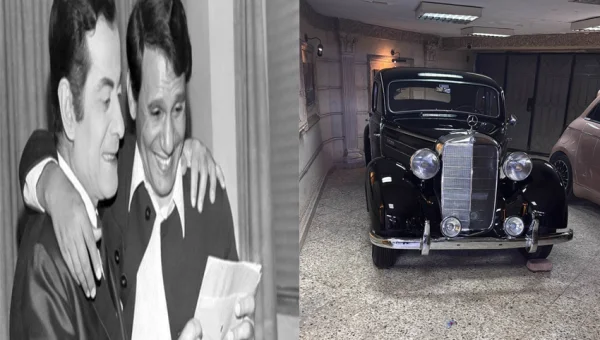
Mercedes 170 S: From Abdel Halim's Era to Million-Dollar Auctions — The Icon That Never Dies
The Mercedes-Benz 170 S from 1953 is a classic car tied to Egypt's golden era, owned by legendary singers Abdel Halim Hafez and Farid El Attrash. It was the first…
Britain Caught Between China and Europe: EV Tariffs Ignite a €24 Billion Battle
The British government is under pressure from the European Union to raise tariffs on Chinese electric cars in exchange for trade benefits and joining the "Buy European" program. The UK…