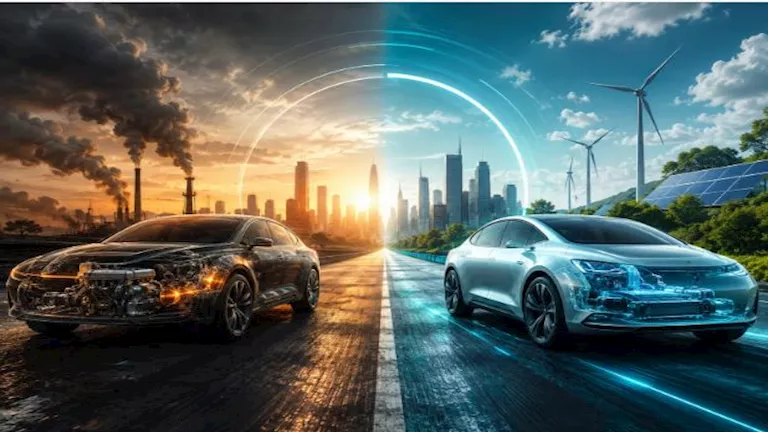
REEV Cars in Egypt: How They Work and How They Differ from Hybrids and PHEVs
Range-extended electric vehicles, or REEV, rely entirely on an electric motor to drive the wheels while a petrol engine acts as a generator when the battery runs low. They differ from HEV hybrids, where both engines can drive the wheels and no external charging is needed, and from PHEVs, where both motors can share propulsion duties. The main advantage is combining an electric driving experience with extended range without charge anxiety.
Range-extended electric vehicles, known as REEV, are gaining real ground on Egyptian roads, and the formula is simple: an electric motor drives the wheels while a petrol engine generates electricity when the battery runs low. That is a fundamentally different setup from a conventional hybrid. The market is shifting.
What Is a REEV and How Does It Work?
The concept sounds straightforward but the execution is clever. In a REEV, the car moves using an electric motor and a battery that can be charged from an external power source, while the petrol engine only generates electricity when needed to help the car keep going without stopping at charging stations. The electric motor handles wheel propulsion entirely in the standard layout, and petrol is just a backup energy source.
That means a REEV driver gets a pure electric driving experience most of the time, plus the ability to cover long distances without range anxiety. A genuine advantage on long trips.
REEV vs HEV: The Core Difference
The key difference between the two systems comes down to how the car is propelled. In a REEV, the electric motor does all the driving and the petrol engine only generates electricity. In a hybrid HEV, both the petrol engine and the electric motor can work together to turn the wheels. The battery is charged through the engine and regenerative braking without any external plug-in.
A conventional hybrid never needs external charging, but it doesn't deliver the pure electric driving experience that REEV vehicles offer. Each system has its own audience and use case.
REEV vs PHEV: Where They Diverge
Here the two systems share one important trait: both can be charged from an external power source. But the propulsion architecture is entirely different. In a PHEV, the petrol engine and electric motor can both drive the wheels, while a REEV relies primarily on the electric motor and uses the petrol engine purely as a generator. The technical gap is real, and it directly affects driving style and fuel consumption.
Why REEV Makes Sense in Egypt
The biggest selling point is the combination of electric driving and the ability to extend range using the petrol engine, which eases concerns about running out of charge on long journeys. As electric vehicles spread across the Egyptian market, many buyers are looking for a middle ground between pure electric and traditional petrol, and REEV delivers exactly that.
These cars also offer a driving experience built on the instant response of the electric motor, with the option to use electricity for daily commutes, especially when the battery is charged regularly. Quick response and quiet running.
The practical takeaway: if you want daily electric driving without sacrificing long-range capability, a REEV deserves a close look. If your trips are short and you can charge regularly, a pure EV or PHEV may suit you better. The choice comes down to your daily driving pattern.
Frequently Asked Questions
3 questions answered
Related News
View All News
Dongfeng BOX Becomes Egypt's Cheapest EV.. Prices Start at EGP 770,000
The Dongfeng BOX has become Egypt's cheapest conventional electric passenger car after rivals raised prices. Pricing starts at EGP 770,000 for the BOX 330 and reaches EGP 870,000 for the…
China Accelerates EV Charging Network with 36% Growth in 10 Months
China's National Energy Administration reported 25.39 million EV charging connectors by end-October 2026, up 36.2% year-on-year. Private chargers accounted for 20.1 million units with 42.5% growth, while public chargers reached…
Egypt EV Sales Jump 30% Despite Rising Prices
Electric vehicle sales in Egypt rose 30% in the first quarter, surpassing expectations despite price increases. The growth is driven by lower running costs compared to petrol cars and new…
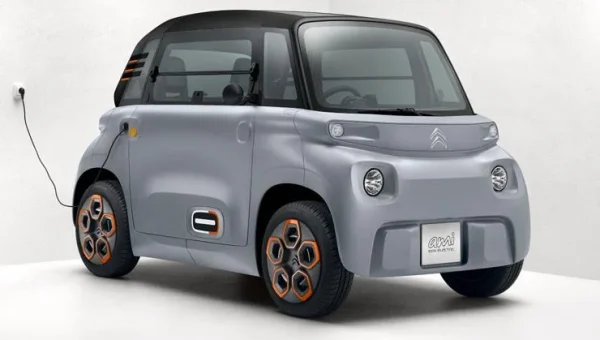
Citroen Ami Named Egypt's Cheapest EV at EGP 585,000
Qasrawy Group is offering the Citroen Ami ultra-compact EV in Egypt at EGP 585,000, making it the cheapest zero-kilometre electric vehicle in November. The two-seater uses a 6 kW motor…
Electric Vehicle Sales in Europe Jump 60% in October — What's Driving the Surge?
Battery-electric vehicle registrations in Europe jumped over 60% in October to 295,252 units, capturing a 32.1% market share. Government subsidies, high oil prices, and more affordable models are fueling the…