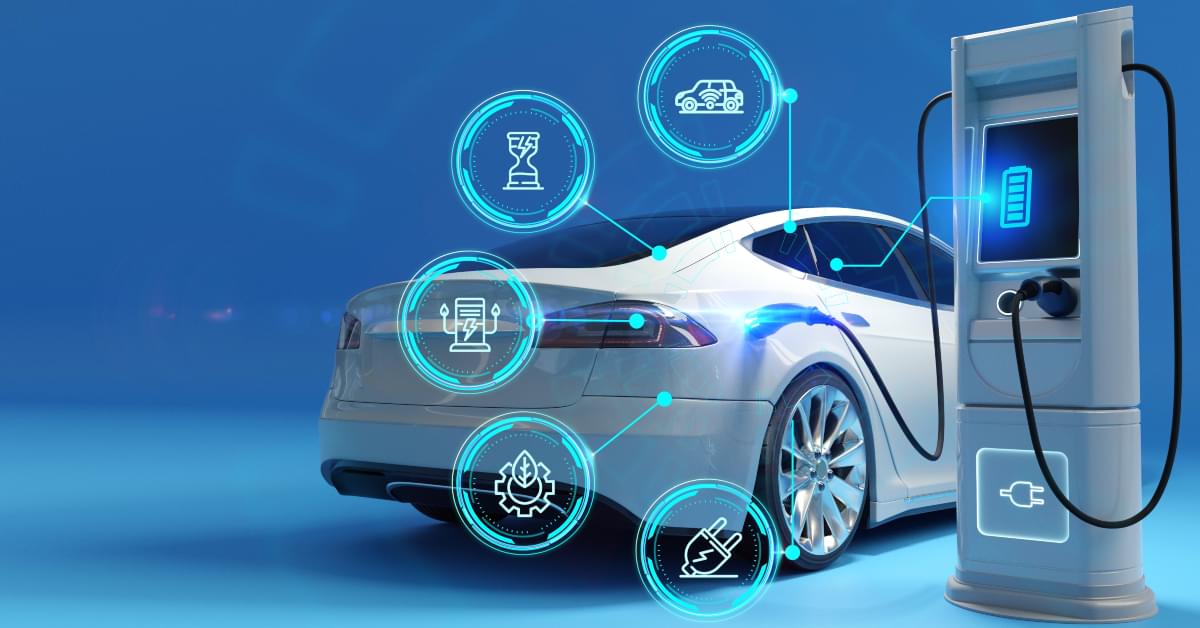
China Accelerates EV Charging Network with 36% Growth in 10 Months
China's National Energy Administration reported 25.39 million EV charging connectors by end-October 2026, up 36.2% year-on-year. Private chargers accounted for 20.1 million units with 42.5% growth, while public chargers reached 5.28 million with 16.5% growth. The expansion reflects Beijing's strategy to strengthen infrastructure and accelerate EV adoption in the world's largest market.
China's electric vehicle charging network grew 36.2% year-on-year in the first ten months of 2026, reaching 25.39 million connectors by the end of October. The figure underscores Beijing's massive infrastructure push to support the world's largest EV market as competition shifts from battery range to charging convenience.
Why China Is Racing to Build More Charging Stations
Automakers like BYD no longer compete solely on driving range and battery capacity. Easy access to charging points and fast energy delivery have become decisive factors in purchase decisions. The challenge is sharpest for drivers without dedicated home charging or those relying on their cars for long-distance travel.
Private Chargers Dominate the Network
Data from China's National Energy Administration, released on November 20, 2026, shows private charging facilities accounted for 20.108 million connectors, up 42.5% year-on-year. This expansion in residential and private parking setups allows more EV owners to charge at home without depending entirely on public stations. Contracted electrical capacity for private facilities reached approximately 171 million kVA.
Public Chargers Reach 5.28 Million Connectors
Public charging facilities totaled 5.283 million connectors by the end of October, a 16.5% annual increase. Total rated power for these facilities hit 271 million kW, with an average of about 51.37 kW per connector. The numbers confirm China isn't just adding volume but also improving network efficiency.
What This Means for the Global EV Market
A dense charging network strengthens China's position as the world's largest EV market. Robust infrastructure reduces range anxiety that keeps many buyers on the fence about going electric. If growth continues at this pace, observers expect China to pressure global rivals into accelerating their own infrastructure investments. The Chinese market moves fast.
Chinese Automakers and Global Expansion
The charging buildout serves more than the domestic market. It supports overseas ambitions for companies like BYD by giving them operational expertise and integrated charging solutions for new markets. Competition abroad will be fierce.
Official figures confirm China is building the world's largest EV charging network, with annual growth exceeding 36% in total connectors. This momentum boosts consumer confidence and accelerates the electric transition.
Frequently Asked Questions
3 questions answered
Related News
View All News
Dongfeng BOX Becomes Egypt's Cheapest EV.. Prices Start at EGP 770,000
The Dongfeng BOX has become Egypt's cheapest conventional electric passenger car after rivals raised prices. Pricing starts at EGP 770,000 for the BOX 330 and reaches EGP 870,000 for the…
REEV Cars in Egypt: How They Work and How They Differ from Hybrids and PHEVs
Range-extended electric vehicles, or REEV, rely entirely on an electric motor to drive the wheels while a petrol engine acts as a generator when the battery runs low. They differ…

Egypt EV Sales Jump 30% Despite Rising Prices
Electric vehicle sales in Egypt rose 30% in the first quarter, surpassing expectations despite price increases. The growth is driven by lower running costs compared to petrol cars and new…
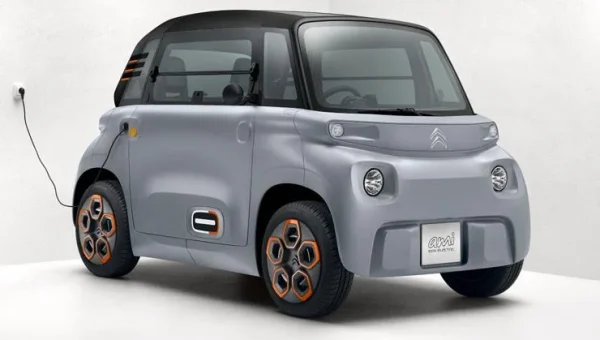
Citroen Ami Named Egypt's Cheapest EV at EGP 585,000
Qasrawy Group is offering the Citroen Ami ultra-compact EV in Egypt at EGP 585,000, making it the cheapest zero-kilometre electric vehicle in November. The two-seater uses a 6 kW motor…
Electric Vehicle Sales in Europe Jump 60% in October — What's Driving the Surge?
Battery-electric vehicle registrations in Europe jumped over 60% in October to 295,252 units, capturing a 32.1% market share. Government subsidies, high oil prices, and more affordable models are fueling the…