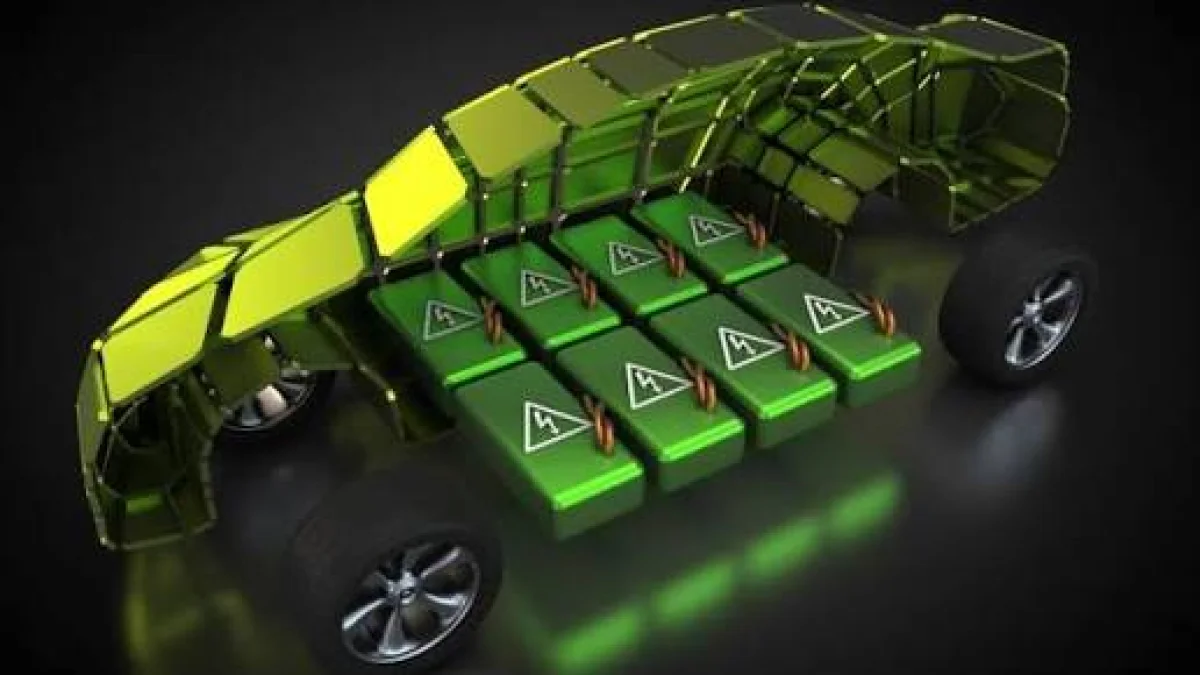
Paris Motor Show 2026 Opens the Toughest File: Is the Battery the Biggest Risk When Buying an EV?
The Paris Motor Show 2026 is dedicating space to discuss the technological and financial challenges of electric vehicle batteries, as manufacturers race to announce longer range and faster charging. The battery is no longer just a spare part—it's a decisive factor in ownership cost and resale value. In the Egyptian market, understanding battery type and efficiency before purchase is increasingly critical amid growing EV supply. The key question: who bears the cost of battery replacement after warranty expires?
The battery is now the single most important factor in determining an electric vehicle's value. The Paris Motor Show 2026 is dedicating space to discuss the technological and financial challenges of EV batteries, as manufacturers race to announce longer range and faster charging speeds. The buyer's most critical question is no longer about price—it's about battery efficiency after years of use and who bears the cost of replacement.
Why the Battery Becomes the Biggest Financial Risk
The numbers are alarming. An EV battery isn't a regular spare part—it's the primary energy source, comprising a complex system of electronic cells, management, cooling, and protection systems. Evaluating a battery isn't just about its declared capacity in kilowatt-hours; it includes its ability to retain charge over time, thermal management efficiency, charging speed, and availability of diagnostics and repair services. This complexity makes out-of-warranty battery replacement a potential financial nightmare.
Battery Chemistry Types and Their Price Impact
Electric vehicles use different battery chemistries, most notably Lithium Iron Phosphate (LFP) and Nickel Manganese Cobalt (NMC). Each type has distinct characteristics in energy density, lifespan, and cost. This diversity explains the wide variation in battery prices and performance under different operating conditions. A smart buyer must know the battery type before purchasing, as it directly affects resale value.
The Battery Is Not Just a Spare Part—Evaluation Is Completely Different
An EV battery differs fundamentally from conventional batteries in gasoline cars. Actual battery capacity may gradually decline due to usage and aging, but the rate of decline varies by battery type, operating conditions, temperatures, and charging habits. A drop in capacity doesn't necessarily mean a full replacement is required—it can remain usable with reduced range compared to its original state. This subtle difference confuses many buyers.
Challenges for the Egyptian Market Amid EV Growth
On Egyptian roads, the battery issue gains special importance with the increasing supply of electric vehicles and the diversity of brands and models. Battery cost, warranty, and availability of specialized maintenance services are essential factors a buyer must study before deciding. In a market still exploring charging infrastructure, understanding battery lifespan and resale value becomes a necessity, not a luxury. The Egyptian market needs a new culture in evaluating EVs that goes beyond the sticker price.
What Does This Mean for Buyers?
The Paris Motor Show 2026 puts the battery at the heart of the equation. Manufacturers are racing to develop longer-lasting, faster-charging batteries, but consumers face a practical question: what happens after the warranty ends? The answer determines whether an EV is a winning deal or a financial risk. The gap is huge between buying an EV with an LFP battery and one with NMC, especially with no clear standards for assessing used battery health in the Egyptian market.
Frequently Asked Questions
3 questions answered
Related News
View All NewsCheaper Than Petrol: 7 Electric Cars Under 1 Million EGP in Egypt 2026
Egypt's EV market in 2026 now offers seven electric models priced under one million Egyptian pounds, from brands including Geely, Dongfeng, Arcfox, and BYD. The cheapest, Geely EX2 Pro, starts…
Cupra Tavascan EV Set to Launch in Egypt on October 15 via Kayan Egypt
Kayan Egypt, the local distributor for Spanish brand Cupra, is set to launch the Cupra Tavascan EV in Egypt on October 15. The Tavascan is a fully electric SUV and…
Chinese Qilin Battery Hits 1500 km on Single Charge with 6-Minute Charging
CATL and BYD unveiled an upgraded Qilin battery capable of covering 1,500 kilometers on a single charge with a 10% to 98% charge time of just six and a half…
Jaguar Type 01 Electric: 450-Mile Range, £130,000 Price, Built in Britain 2027
Jaguar has revealed its new Type 01 electric vehicle in New York, offering up to 450 miles of range and a starting price of £130,000. Production is slated for 2027…
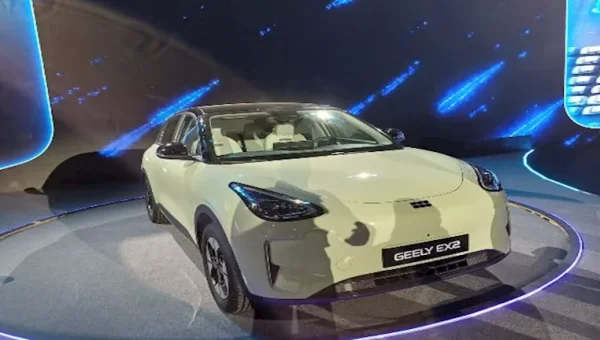
Egypt's Cheapest Electric Car: Geely Galaxy EX2 Full Specs and Price
Geely Galaxy EX2 has been introduced as Egypt's cheapest electric vehicle as of September 2026. The compact crossover SUV features a rear-wheel-drive electric setup, accelerating from 0 to 50 km/h…