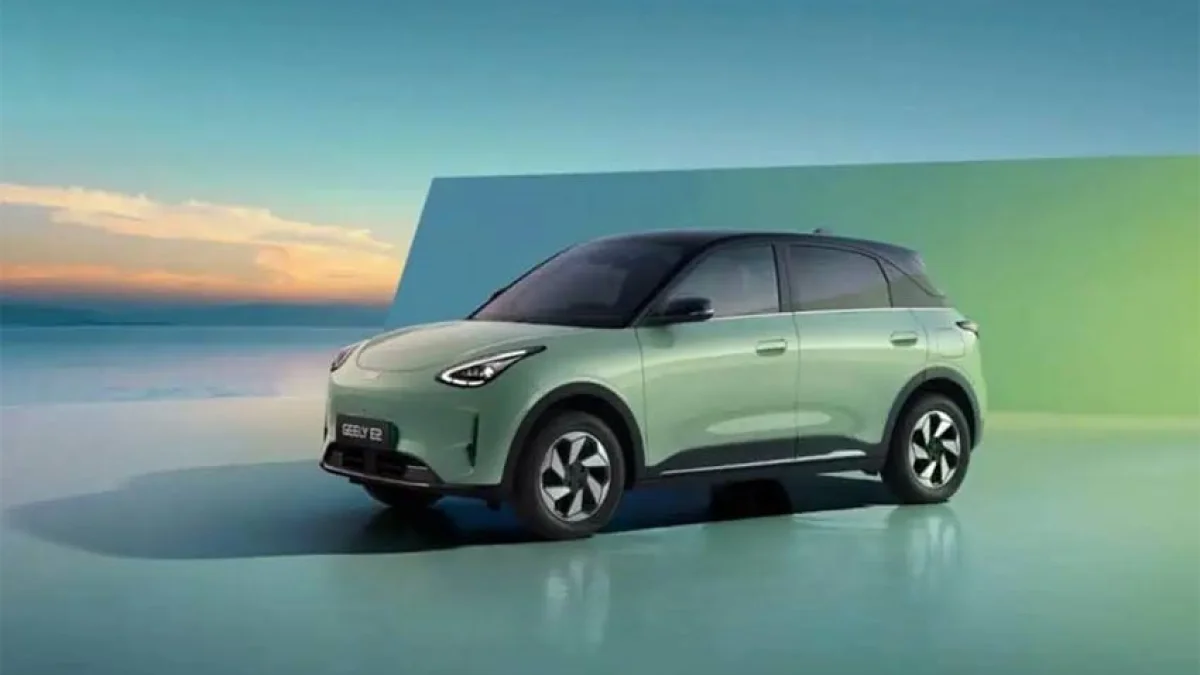
The Affordable EV Returns: Paris 2026 Rewrites the Electric Race Rules
The Paris Motor Show 2026 focuses on affordable EVs instead of long-range models. The new Dacia Spring starts at €17,900 with a 250 km range, while the Leapmotor B03X is priced from €23,400. An Ipsos study confirms running costs have become a top priority for consumers. This shift could accelerate EV adoption in markets like Egypt.
The Paris Motor Show 2026 is opening a new chapter in the electric vehicle race. This time, the battle isn't about an 800 km range, but about a car more people can actually afford to buy and use daily. The key number: Dacia Spring starts at just €17,900. That price redefines what an affordable EV looks like in Europe.
Dacia Spring 2026: Cheapest EV with 250 km Range
The new Dacia Spring carries no massive battery and boasts no sporty performance figures. Its range reaches 250 kilometers, and consumption is 12.7 kWh per 100 km. That low consumption means far lower running costs than any petrol car in its class. Dacia is betting on affordability and low operating costs, not power.
Leapmotor B03X: Electric Crossover at €23,400
Leapmotor from China enters the race with the B03X crossover. Pricing starts at €23,400. Range in one version reaches 382 kilometers, with 510 liters of boot space. The numbers here tell a story of balance between price, range, and space, not battery size. Leapmotor prices in the European market confirm the brand is targeting a new buyer segment.
Volkswagen Mission Efficiency: 6.89 kWh per 100 km
Volkswagen went further. The Mission Efficiency project isn't about a bigger battery at all; it's about a car that consumes less electricity. The result: an average consumption of 6.89 kWh per 100 km over a long test. That figure is close to half the consumption of most current EVs. The Volkswagen ID.4 and other models from the brand may benefit from this technology in the future.
Ipsos Study: Running Costs Beat Power and Performance
A study by Ipsos for this year's Paris Motor Show aligns with this trend. The study placed running costs among the top priorities for consumers, alongside safety and comfort. Power and performance ranked much lower. This shift in buyer priorities explains why automakers are moving toward lower consumption and smaller batteries. Volkswagen prices in the used market may also be affected by this direction.
What Does This Mean for the Egyptian Market?
The scene here is different from the early years of the electric car. At first, manufacturers tried to convince buyers that an EV could go a long distance. Now the harder question has emerged: can the buyer afford its price in the first place? In markets like Egypt, purchase price and running costs remain far more important than acceleration and power figures. Nissan and Hyundai currently lead the EV market in Egypt, but the arrival of cars like the Dacia Spring at lower prices could change the equation. If automakers succeed in cutting electricity consumption and shrinking batteries without sacrificing practical use, the road to EV adoption may be shorter than it seems.
Frequently Asked Questions
3 questions answered
Related News
View All News
Toyota bZ4X Lands in Egypt with 567 km Range and 343 hp Performance
Toyota Egypt has launched the bZ4X electric SUV in the local market with two trim levels and a WLTP range of up to 567 km. The vehicle features a 73…
Bentley Torcal: Bentley's First All-Electric Car with 875 HP
Bentley has unveiled the Torcal, its first fully electric vehicle, with 875 horsepower and a 0-100 km/h sprint in 2.8 seconds. It features a 113 kWh battery, 600 km WLTP…
Opel Corsa GSE Electric Debuts in Paris with 280 HP and 27-Minute Fast Charging
Opel has revealed the Corsa GSE, an electric sports version of its compact hatchback producing 280 horsepower and sprinting from 0 to 100 km/h in 5.5 seconds. The car uses…
Dacia Spring 2027 Before Paris Motor Show: EV Under €20,000 with 250 km Range
Dacia has unveiled the new generation of the Spring before the 2026 Paris Motor Show, offering 250 km WLTP range, a 27.5 kWh LFP battery, and an 80 hp motor.…
BYD Dolphin Surf 2026: The Cheapest BYD in Egypt — Full Review Before You Buy
Man Dream, BYD's local distributor in Egypt, released its September 2026 price list led by the Dolphin Surf as the brand's cheapest EV. The car features a 38.88 kWh battery,…