
Motion Sickness in Electric Vehicles: Why Some Passengers Feel Nauseous
Some electric vehicle passengers experience motion sickness and nausea during trips, according to multiple accounts. Researcher Irene Di Giulio from King's College London confirms research is limited but some people are more susceptible. Regenerative braking and rapid acceleration/deceleration response are key factors. Avoiding sudden acceleration and lowering regenerative braking settings may help reduce symptoms.
Motion sickness in electric vehicles is affecting some passengers, yet research into the phenomenon remains limited. Multiple accounts reveal that some EV users experience nausea and dizziness during trips, prompting a few to avoid riding in them altogether.
Why do electric cars cause motion sickness?
Irene Di Giulio, a researcher at King's College London, says available studies suggest some people may be more susceptible to motion sickness in electric vehicles compared to conventional cars. The research is limited. Nicholas Hake, a motion sickness specialist, explains that the condition occurs due to a mismatch in sensory signals the body relies on to determine movement, coming from the eyes, inner ear, and other body parts.
Regenerative braking and rapid response
BYD and other electric vehicles differ from conventional cars in the nature of sounds and vibrations accompanying movement. Their rapid response to acceleration and deceleration can intensify symptoms for some passengers. Regenerative braking is one factor that may increase dizziness, as the car begins to slow down the moment the driver lifts their foot off the accelerator. Sudden deceleration can cause a jerking motion for the passenger's body.
Lola Baird, 24, who lives in north London, said she never experienced motion sickness before her boyfriend bought an electric car about two years ago. She described feeling severe nausea on long trips. On one occasion had to ask her boyfriend to stop after about 40 minutes, before vomiting beside the car. Lola isn't the only case, as several owners of Hyundai and Nissan electric cars reported suffering or their children suffering from dizziness. Others confirm they feel no symptoms at all, with some even finding EVs less nausea-inducing than conventional cars.
How can motion sickness be reduced?
Experts recommend a calm driving style and avoiding sudden acceleration and harsh braking as much as possible. Setting regenerative braking to its lowest level helps reduce abrupt deceleration. Sitting in the front seat and looking at the distant road reduces conflicting sensory signals. Some passengers may need a period of adaptation to BYD or Hyundai EVs before symptoms fade. No single solution fits everyone, but awareness of the issue is a first step toward more comfortable rides.
Frequently Asked Questions
3 questions answered
Related News
View All News
Amr Adib Changes His Mind on Chinese EVs After Testing REEV Technology
Egyptian TV host Amr Adib revealed he changed his mind about Chinese electric vehicles after a hands-on experience impressed him. The car uses REEV technology that generates electricity while driving…
China Targets Solid-State EV Batteries by 2030, CATL Says Tech Readiness Only 4 out of 9
China is targeting wide-scale deployment of all-solid-state batteries in electric vehicles by 2030 under a plan running from 2026 to 2030. But CATL, the world's largest EV battery maker, says…
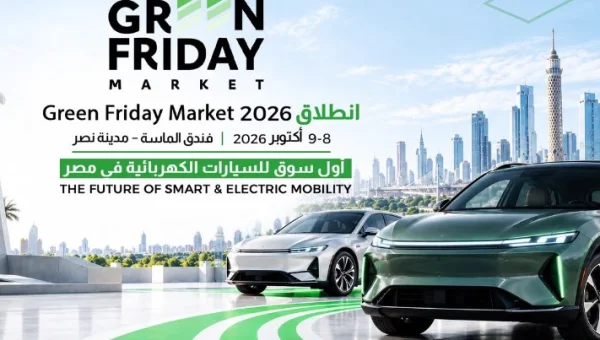
Green Friday Cairo: Two Days of EV and Hybrid Test Drives, Deals, and Services
Cairo hosts Green Friday on October 8–9, 2026, at Al Masa Hotel in Nasr City, bringing together dealers, distributors, and traders. The event features electric, hybrid, REEV, and plug-in hybrid…
Cheapest 7 European Electric Cars in Egypt: Prices and Specs
The Smart 1 leads the list of the cheapest European electric cars in Egypt, a joint venture between Mercedes-Benz and Geely. It comes in four trims, with power from 272…

Renault Invests Over €10 Billion to Challenge Chinese EVs with Affordable Electric Cars
Renault Group will invest more than €10 billion in France over the next five years, following €13 billion spent since 2021 on its electric shift. The goal is to lower…