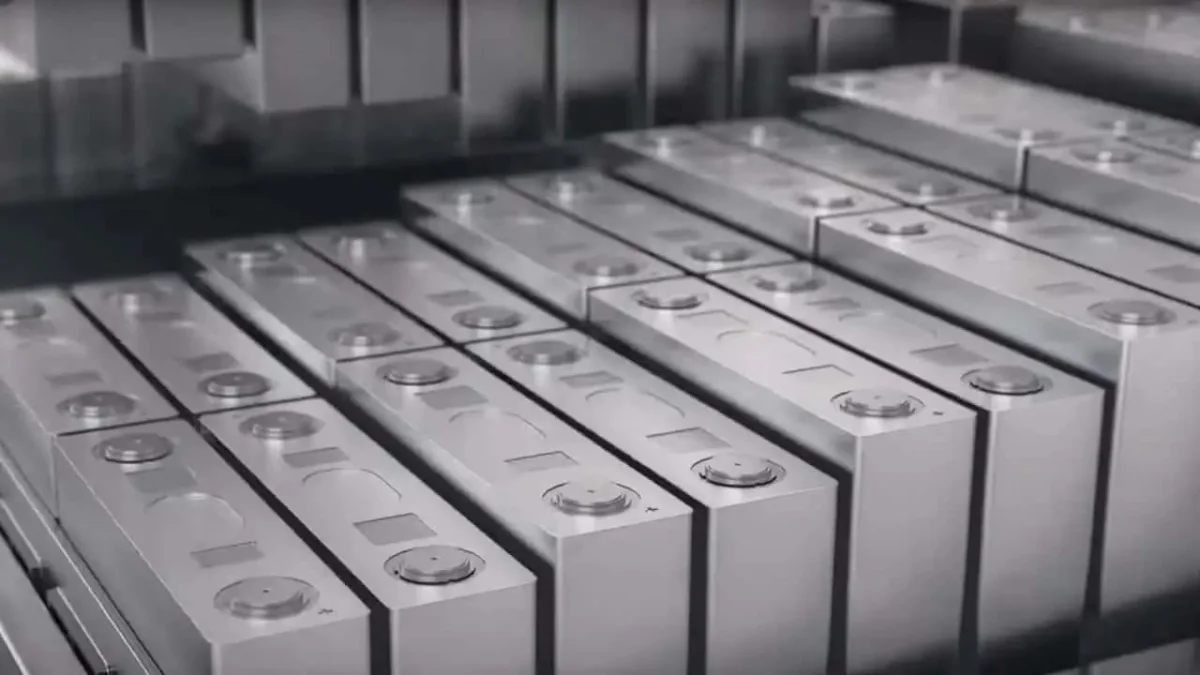
China Targets Solid-State EV Batteries by 2030, CATL Says Tech Readiness Only 4 out of 9
China is targeting wide-scale deployment of all-solid-state batteries in electric vehicles by 2030 under a plan running from 2026 to 2030. But CATL, the world's largest EV battery maker, says the technology remains at level 4 out of 9 on the readiness scale. Its chairman Robin Zeng says solid-state batteries reaching millions of vehicles before 2030 appears unlikely. The challenges are technical, commercial, and manufacturing-related, leaving China's goal ambitious but unproven.
China is aiming for wide-scale deployment of all-solid-state batteries in electric vehicles by 2030 under a plan running from 2026 to 2030. The number 4 out of 9 tells the real story. That rating doesn't come from an outside critic — it comes from the world's largest maker of EV batteries.
China's 2026-2030 solid-state battery roadmap
Beijing has laid out a clear roadmap to turn solid-state batteries from a promising technology into a product that can be mass-produced, focusing on cutting production costs and improving performance and stability alongside developing core materials and manufacturing techniques. Solid-state batteries use a solid electrolyte instead of the liquid or gel electrolyte found in conventional lithium-ion cells, which could unlock higher energy density, more efficient designs, and better safety levels. The Chinese market is moving fast. Yet the road to large-scale production remains full of obstacles.
CATL: solid-state batteries stuck at level 4 of 9
Robin Zeng, chairman of CATL, said solid-state battery technology remains at level 4 out of 9 on the technology readiness scale. He noted that reaching mass production requires overcoming technical, commercial, and manufacturing challenges. Zeng added that solid-state batteries reaching millions of vehicles before 2030 appears unlikely, because the technology doesn't just need to succeed in the lab — it must also become reliable, manufacturable. Sellable at a suitable cost. That statement sets a realistic ceiling on China's ambitions.
Can China overcome the cost hurdle?
China's bet isn't just technological — it's industrial and economic through and through. Beijing is wagering on this technology to strengthen its leading position in the battery and EV industries, but the world's biggest battery makers see the path to wide-scale production as still riddled with challenges. Improving energy density and safety alone isn't enough, because the real equation lies in reliability and a cost suitable for production and sale. Electric vehicles in the Egyptian market are also waiting for the ripple effects of this technology on prices and range, but that won't happen soon based on current assessments. The 2030 date remains a target, not a guarantee. Even so, the global race toward more efficient and safer batteries won't stop. China wants to be at the front when that shift matures.
Frequently Asked Questions
3 questions answered
Related News
View All News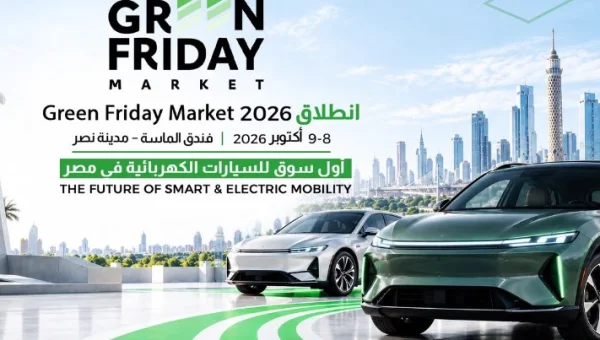
Green Friday Cairo: Two Days of EV and Hybrid Test Drives, Deals, and Services
Cairo hosts Green Friday on October 8–9, 2026, at Al Masa Hotel in Nasr City, bringing together dealers, distributors, and traders. The event features electric, hybrid, REEV, and plug-in hybrid…
Cheapest 7 European Electric Cars in Egypt: Prices and Specs
The Smart 1 leads the list of the cheapest European electric cars in Egypt, a joint venture between Mercedes-Benz and Geely. It comes in four trims, with power from 272…
Renault Invests Over €10 Billion to Challenge Chinese EVs with Affordable Electric Cars
Renault Group will invest more than €10 billion in France over the next five years, following €13 billion spent since 2021 on its electric shift. The goal is to lower…
Tesla Accelerates Cybercab Rollout Without Steering Wheel Amid US Probe Into 1,000 Vehicles
Tesla has started operating more than 40 Cybercab vehicles in its Robotaxi service in Austin, Texas, after completing engineering tests in 2026. The two-seat vehicle has no steering wheel or…
Volkswagen's MEB Platform in China: How the Electric Car Landscape Is Being Reshaped
Volkswagen has announced the localization of its MEB electric platform in China through a partnership with Xiaomi. The platform supports models like the ID.4 and SU7 and is key to…