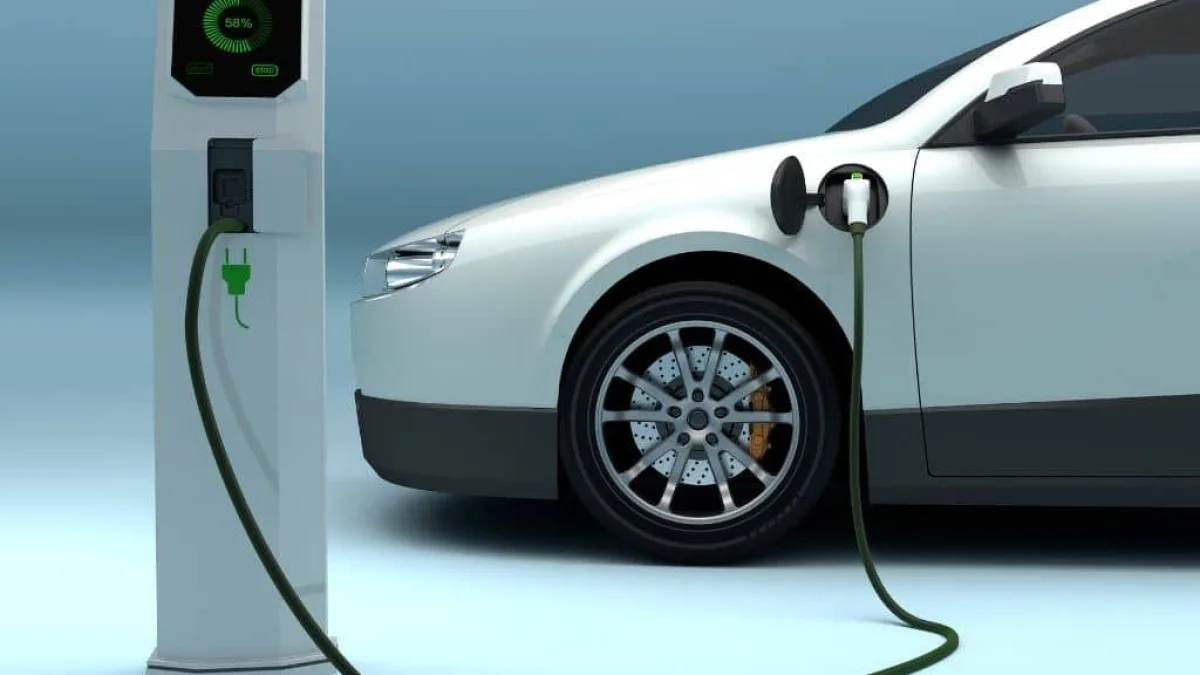
Temperatures Above 50°C and Long Roads.. Can Electric Cars Pass the Gulf Test?
This article examines electric vehicles in the challenging Gulf environment, where temperatures exceed 50°C. Batteries face significant challenges from extreme heat that impacts real-world range and charging efficiency. A field study in Qatar revealed that fast charger capacity drops at 55°C temperatures. Success depends on advanced cooling technologies and thermal management, not just the number of charging stations.
Can electric vehicles really survive Gulf temperatures? The answer isn't a simple yes or no — it all comes down to battery cooling technology. Temperatures exceeding 50°C in summer, long distances between cities. Heavy air conditioning use put electric vehicles through a test unlike any other market.
How Does the Battery Handle Extreme Heat?
Lithium-ion batteries perform best within a specific temperature range, and when heat rises dramatically, battery management and cooling systems step in to protect the cells from thermal stress. A modern car with an effective liquid cooling system can operate in Gulf conditions, but a portion of energy goes to cooling the battery and running the AC, reducing real-world range compared to official figures.
The difference can be substantial in July specifically. Prolonged exposure to extreme heat can gradually accelerate battery cell degradation if the thermal management system isn't well-designed for these conditions, making the choice of a car with advanced cooling technology absolutely critical in this region.
The Charger Suffers Too in Summer
Heat doesn't only affect the vehicle — the charger itself faces the test. A field study conducted in Qatar on a fast charger operating at temperatures reaching approximately 55°C showed that available charging power dropped significantly as heat rose, efficiency declined, and charging time extended in summer tests compared to winter.
This means the number written on the charger, like 150 or 350 kilowatts, doesn't always reflect reality. Battery temperature, charger heat, and current charge level all determine actual speed, so you won't get the full promise on a scorching day — something every Gulf user should understand.
Does the AC Eat Up Your EV Range?
Running the air conditioning requires electricity of course, so energy consumption rises noticeably during summer. The situation becomes even more difficult when entering a car that has been parked under the sun for a long time and attempting to lower cabin temperature quickly, consuming a significant amount of battery power in the first few minutes alone.
But the picture isn't that an electric car doesn't work in the Gulf — success there depends on cooling system efficiency, real range, charging speed, and charger availability on long highways. The real battle revolves around these four points, not the idea of acceptance or rejection.
The bottom line is that the future of electric mobility in the Gulf is tied to advances in thermal management technology rather than just the number of stations. Companies investing in these technologies now will be the biggest winners in a market growing more aware of sustainable solutions every day.
Frequently Asked Questions
3 questions answered
Related News
View All News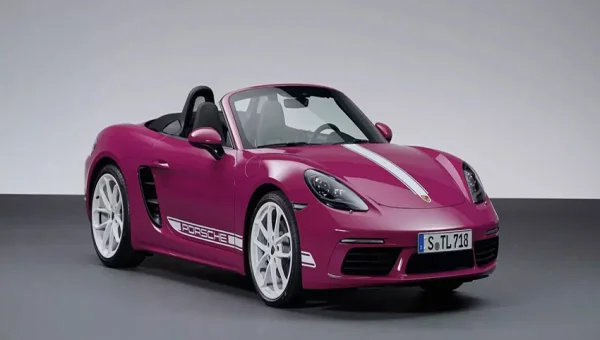
Porsche 718 Electric 2027: The End of Petrol Engines Is Official
Porsche has confirmed that the next-generation 718 Boxster and 718 Cayman will be fully electric, launching in 2027. The new model places its battery behind the seats and uses an…
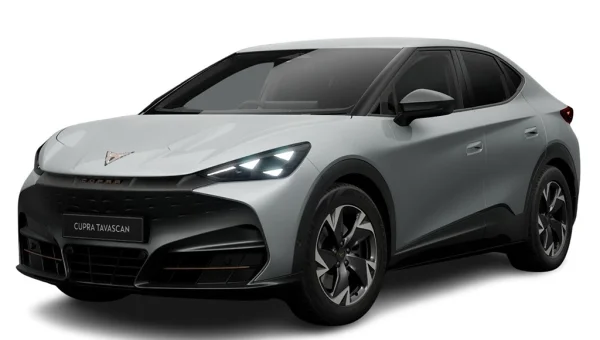
Cupra Tavascan to Debut in Egypt on October 15: All-Electric with Up to 340 HP
The Cupra Tavascan is set to make its Egyptian debut on October 15 through local agent Kayan Egypt. The all-electric crossover comes in two versions: a 285 hp single-motor model…
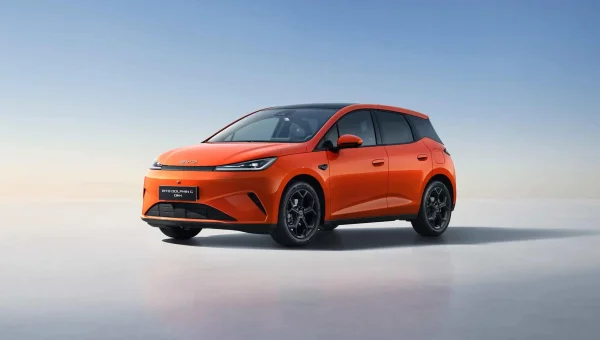
BYD Unveils Dolphin G DM-i with 1,040 km Range at Paris Motor Show
BYD has unveiled its new hybrid Dolphin G DM-i at the 2026 Paris International Motor Show. The compact car features a fifth-generation Super Hybrid DM system with a total driving…
Paris Motor Show 2026 Opens the Toughest File: Is the Battery the Biggest Risk When Buying an EV?
The Paris Motor Show 2026 is dedicating space to discuss the technological and financial challenges of electric vehicle batteries, as manufacturers race to announce longer range and faster charging. The…
Cheaper Than Petrol: 7 Electric Cars Under 1 Million EGP in Egypt 2026
Egypt's EV market in 2026 now offers seven electric models priced under one million Egyptian pounds, from brands including Geely, Dongfeng, Arcfox, and BYD. The cheapest, Geely EX2 Pro, starts…