Egypt's Nuclear Ambitions: How Rosatom Visits Pave the Way for an Electric Vehicle Revolution
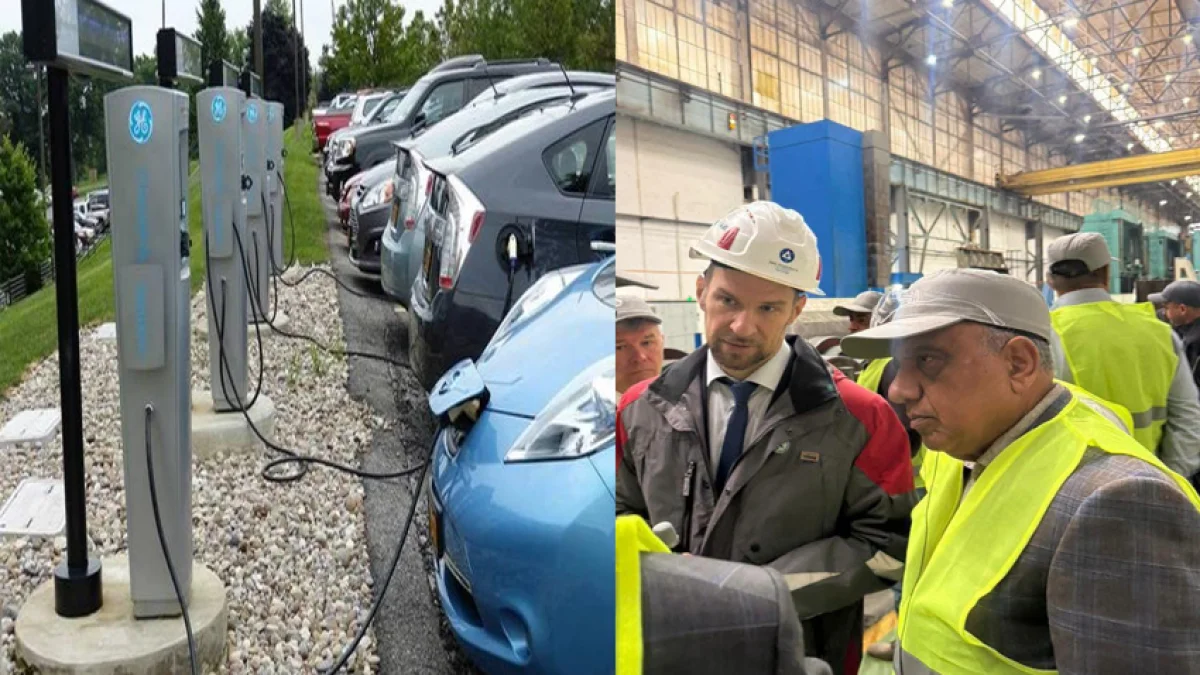
Egypt's electricity minister toured Rosatom's facilities to explore small modular reactor technology and local manufacturing opportunities. This strategic move aims to strengthen Egypt's energy infrastructure. Reliable nuclear power could support a growing electric vehicle industry by enabling better charging networks. The visit signals a long-term vision connecting energy policy with automotive industrial development in Egypt.
Egypt's Minister of Electricity and Renewable Energy, Dr. Mahmoud Essmat, toured Rosatom's nuclear facilities on a mission that looks far beyond simple power generation. The visit centered on small modular reactors (SMRs) and the potential for technology transfer, a move with strategic implications for local manufacturing and the future of new cars in Egypt. As the world shifts toward electric vehicles, the link between energy security and automotive competitiveness has never been more critical.
The Nuclear Link to Automotive Manufacturing
Modern cars aren't just engines on wheels anymore. They are sophisticated tech platforms packed with batteries, semiconductors, software. Advanced control systems, all of which demand massive amounts of reliable electricity to produce. This is where Egypt's nuclear ambitions could fundamentally reshape its automotive sector's ability to compete globally.
The minister's agenda included exploring industrial cooperation and localizing SMR manufacturing capabilities. That point matters. Building nuclear reactors creates expertise in precision engineering, high-grade metallurgy. Stringent quality control — skills that transfer directly to automotive supply chains. A local supplier base with these capabilities could drive a significant leap in the quality of Egyptian-made components.
Stable Power: The Catalyst for EV Adoption
The numbers tell the story. An EV requires a robust charging network, which requires a stable and affordable electricity grid. Nuclear power offers exactly that: a reliable, low-carbon baseload source capable of running around the clock. This energy mix could create a foundation for mass electric cars adoption in a market like Egypt.
No one is saying Egypt will start assembling EVs powered by reactors tomorrow. But the strategic pieces are falling into place. A visit like this signals a long-term vision that connects energy policy directly with industrial development. The implications for carmakers considering investment in Egypt are significant, as a secure power supply is often the first question on their checklist.
Building More Than Just Power Plants
This isn't simply about buying Russian technology. The focus is on building indigenous capabilities, creating a skilled workforce. Nurturing a supply chain around the nuclear industry. Startups and established suppliers alike could eventually diversify into the automotive arena, providing components for car prices-sensitive markets. The economic ripple effect is almost incalculable, connecting energy sovereignty with job creation and technological innovation in the years to come.
Frequently Asked Questions
3 questions answered
Related News
View All News
Porsche 718 Electric 2027: The End of Petrol Engines Is Official
Porsche has confirmed that the next-generation 718 Boxster and 718 Cayman will be fully electric, launching in 2027. The new model places its battery behind the seats and uses an…
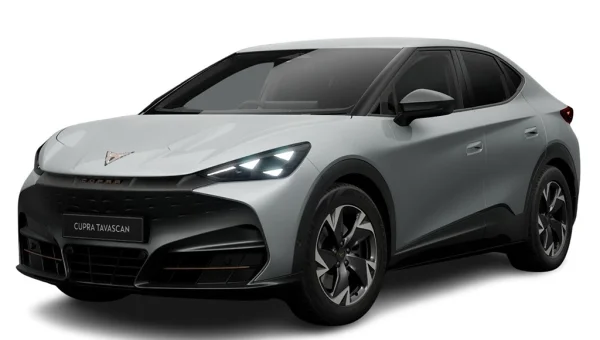
Cupra Tavascan to Debut in Egypt on October 15: All-Electric with Up to 340 HP
The Cupra Tavascan is set to make its Egyptian debut on October 15 through local agent Kayan Egypt. The all-electric crossover comes in two versions: a 285 hp single-motor model…
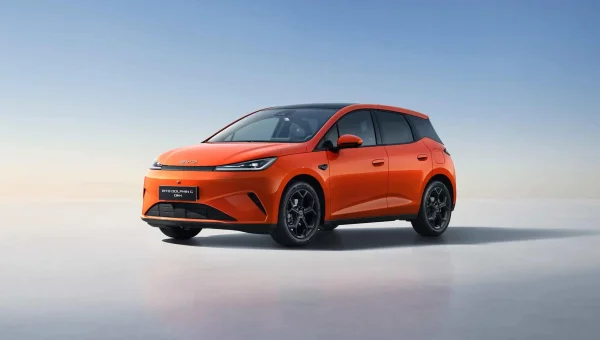
BYD Unveils Dolphin G DM-i with 1,040 km Range at Paris Motor Show
BYD has unveiled its new hybrid Dolphin G DM-i at the 2026 Paris International Motor Show. The compact car features a fifth-generation Super Hybrid DM system with a total driving…
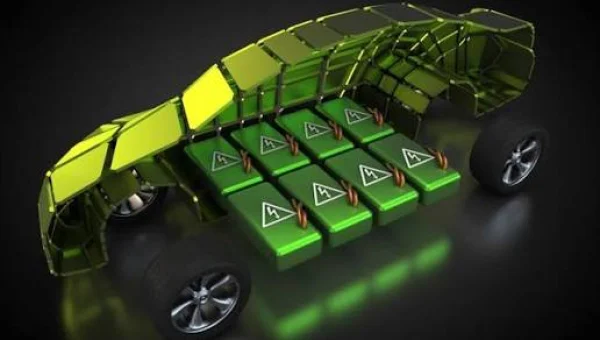
Paris Motor Show 2026 Opens the Toughest File: Is the Battery the Biggest Risk When Buying an EV?
The Paris Motor Show 2026 is dedicating space to discuss the technological and financial challenges of electric vehicle batteries, as manufacturers race to announce longer range and faster charging. The…
Cheaper Than Petrol: 7 Electric Cars Under 1 Million EGP in Egypt 2026
Egypt's EV market in 2026 now offers seven electric models priced under one million Egyptian pounds, from brands including Geely, Dongfeng, Arcfox, and BYD. The cheapest, Geely EX2 Pro, starts…