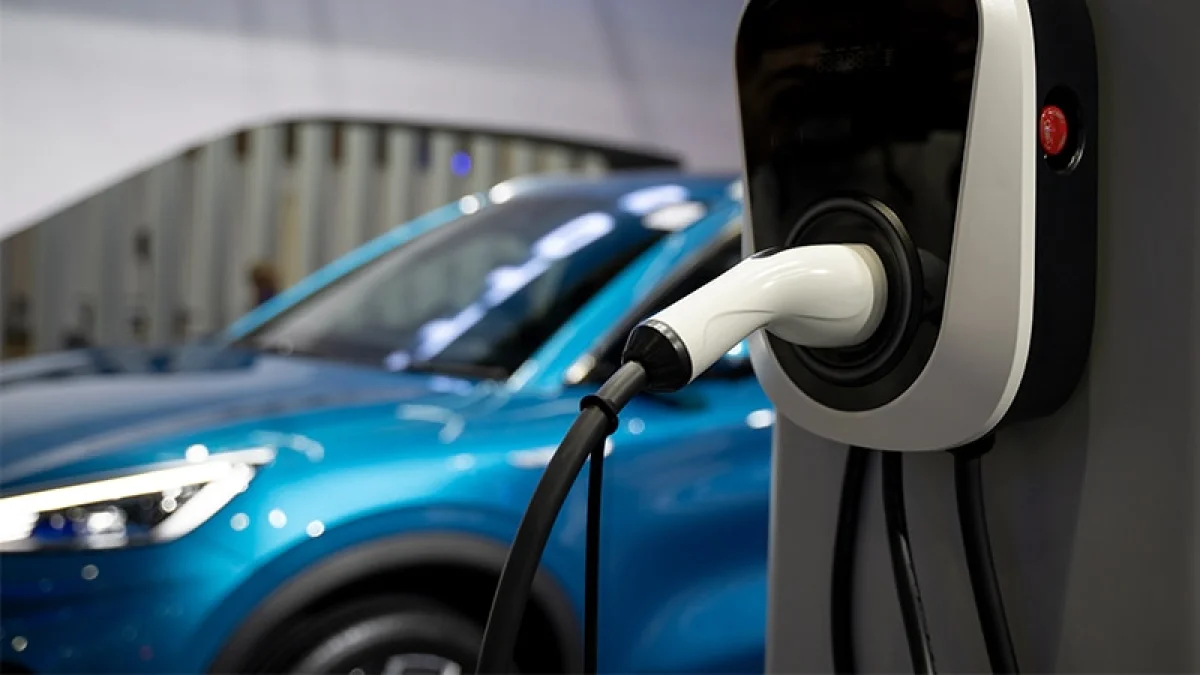
Your Driving Style Could Be Damaging Your EV Battery — Here's Why
Daily driving habits significantly impact the lifespan of an electric vehicle battery, not just charging methods. Frequent hard acceleration and high-speed driving raise battery temperature and accelerate degradation. Keeping the battery within a moderate charge range between 20% and 80%, and avoiding deep discharges, extends its usable life. A smoother driving style and better trip planning are key to long-term battery health.
Have you ever wondered why your electric vehicle's battery capacity fades over time? The answer goes beyond just charging habits — your daily driving style might be the real culprit. Repeated hard acceleration, sustained high-speed driving. Draining most of the battery's charge on every trip all lead to higher energy draw and increased heat within the cells. These are among the primary factors that accelerate the degradation of lithium-ion batteries over the years.
Hard Acceleration Comes at a Cost
When you press the throttle firmly, the electric motors demand a massive amount of energy in a very short window. This sudden spike raises the battery's discharge rate and significantly increases internal heat generation. An occasional burst of speed won't ruin the battery, as modern Tesla vehicles and other EVs are engineered to handle high power levels, but constantly driving aggressively — especially in hot climates — adds cumulative thermal stress to the cells.
Heat is the biggest enemy of lithium-ion chemistry, which is why modern electric cars rely on sophisticated cooling and thermal management systems to keep the battery within an optimal temperature range while driving and charging. These systems work hard to shield the cells from excessive heat, yet repeated aggressive driving can overwhelm them and reduce their long-term effectiveness.
High Speeds Drain the Battery Faster
Driving at high speeds doesn't just hurt your range per charge; it forces the car to continuously draw more power to overcome air resistance. The faster you go, the more energy the vehicle consumes. This translates to deeper discharge and charge cycles if high-speed driving is your daily routine.
Elevated energy consumption alone isn't a direct cause of battery failure. But the combination of high energy draw, rising battery temperatures. Intensive use can increase the pressure on the cells over the long haul. Steady highway cruising is more efficient, but repeated top-speed sprints make a significant difference.
Batteries Don't Like Living at the Extremes
Your driving habits might push you to frequently drain the battery to critically low percentages, then recharge it fully to 100% every time. This extreme pattern puts considerable strain on the cell chemistry. Data from EV battery health monitoring shows that spending extended periods at very high or very low states of charge, along with repeatedly cycling through a wide range of the battery's capacity, accelerates degradation compared to using it within more moderate ranges.
Experts recommend keeping the battery within a moderate state of charge, typically between 20% and 80%, to prolong its lifespan and avoid the stress of deep discharges and full charges on a regular basis. Adopting a smoother driving style and planning trips to avoid completely draining the battery will help preserve its health for years to come. It simply requires a change in daily habits, but the payoff is a longer-lasting, more cost-effective battery in the long run.
Frequently Asked Questions
3 questions answered
Related News
View All News
Chinese Qilin Battery Hits 1500 km on Single Charge with 6-Minute Charging
CATL and BYD unveiled an upgraded Qilin battery capable of covering 1,500 kilometers on a single charge with a 10% to 98% charge time of just six and a half…
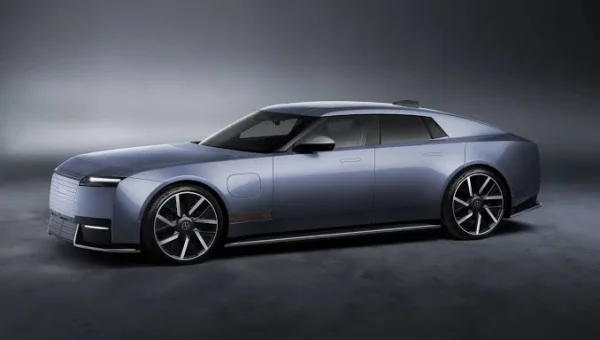
Jaguar Type 01 Electric: 450-Mile Range, £130,000 Price, Built in Britain 2027
Jaguar has revealed its new Type 01 electric vehicle in New York, offering up to 450 miles of range and a starting price of £130,000. Production is slated for 2027…
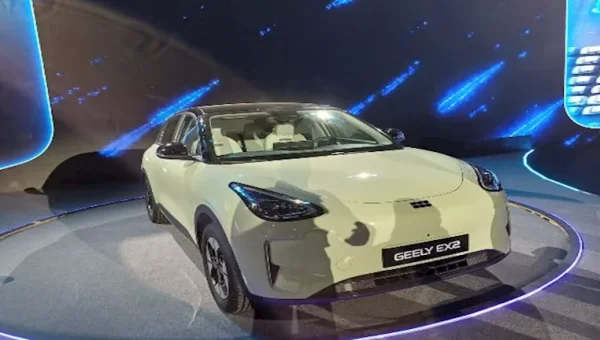
Egypt's Cheapest Electric Car: Geely Galaxy EX2 Full Specs and Price
Geely Galaxy EX2 has been introduced as Egypt's cheapest electric vehicle as of September 2026. The compact crossover SUV features a rear-wheel-drive electric setup, accelerating from 0 to 50 km/h…
Soueast S08 Tops Egypt's PHEV and REEV License Registrations with 227 Units in September
The Soueast S08 led Egypt's PHEV and REEV license registrations in September with 227 units. The vehicle runs on a CATL LFP battery with 18.4 kWh capacity, offering 100 km…
Cairo Hosts First Middle East Electric Vehicle Gathering at Al Masa Hotel on October 8-9
Cairo will host Green Friday on October 8-9, 2026, at Al Masa Hotel in Nasr City — the first gathering of its kind for smart and electric vehicles in Egypt,…