From 5% to 80% in a Decade: China Nears Historic Shift in Auto Market
China's new energy vehicle share jumped from 5% in 2020 to over 60% in 2026, with projections reaching 75%–80% of sales by 2030. The country recorded 1.56 million NEV sales in July 2026, up 23.7% year-on-year. Beijing targets NEVs at 30% of the total vehicle fleet by 2030, backed by 23.68 million charging points nationwide.
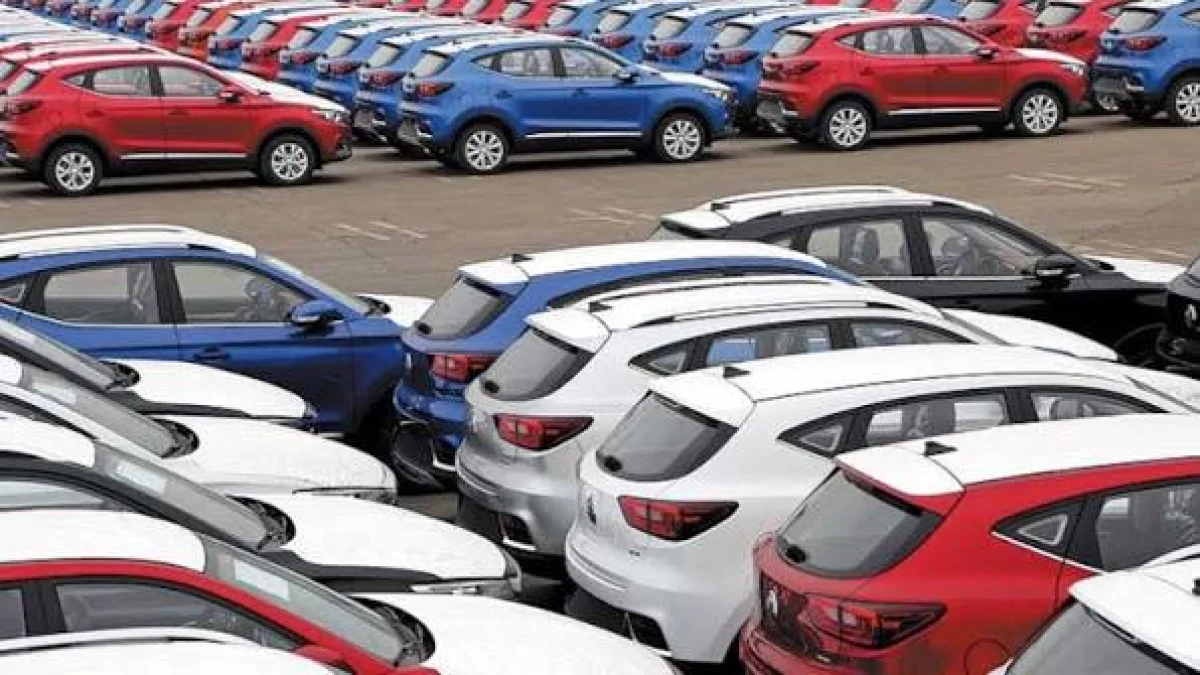
China's new energy vehicle share jumped from just 5% in 2020 to over 60% in 2026, and it's now heading toward 75% to 80% of sales by 2030. The numbers are staggering. This transformation did not take fifty years — it happened in a single decade, making China the world's largest laboratory for the electric transition.
China targets 30% of the entire vehicle fleet by 2030
The Chinese government plans for new energy vehicles to make up about 30% of the total vehicle fleet on the road by 2030, as part of its emissions reduction plan for 2026–2030. That goal goes far beyond annual sales. Beijing wants to reshape the composition of hundreds of millions of conventional vehicles already on the road — a far harder task than simply selling new electric cars each year.
Sales figures reveal the scale of the shift
In July 2026, the new energy vehicle share topped 60% of new car sales in China for the first time, hitting about 1.56 million units in a single month, up 23.7% year-on-year. During the first half of 2026, sales reached approximately 7.446 million units, with battery electric vehicles accounting for 67% of that total, according to China Association of Automobile Manufacturers data.
August shows growth won't be linear
Domestic sales of electric and plug-in hybrid vehicles fell 10.1% in August compared to the same month last year, though they still held a 64.7% share of the local market. A broader weakness in Chinese car demand is starting to show. Estimates from the Sinopec Economics and Development Research Institute suggest the pace may gradually slow as the market approaches high saturation levels, but the overall direction remains clearly upward.
23.68 million charging points support the expansion
On highways and in Chinese cities, charging infrastructure has expanded at breakneck speed. The number of charging points reached 23.68 million by the end of July 2026, up 41.9% in one year — including about 5.1 million public points and 18.58 million private ones. This network can serve over 110 million electric vehicles, boosting consumer confidence and supporting the continued rise of BYD, Tesla. Geely — the brands leading this market.
As global markets watch this trajectory, one question remains: can the Chinese model be replicated in markets like Egypt? The answer depends on infrastructure, government policy, and vehicle pricing — all factors still in early stages across most emerging markets.
Frequently Asked Questions
3 questions answered
Related News
View All News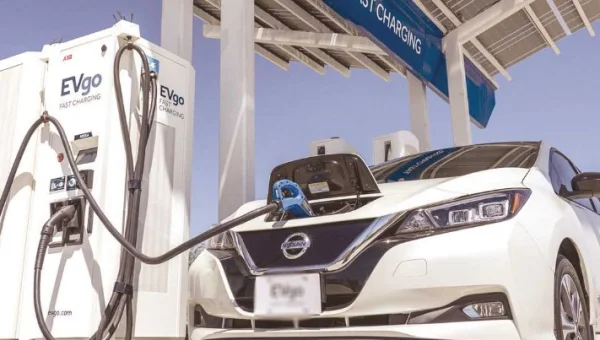
Europe's EV Boom Redraws the Competitive Map and Tests Demand Sustainability
Europe's electric vehicle market saw a notable demand surge in July, with sales broadening across major markets. The data exposes sharp adoption gaps between northern and southern countries. This disparity…
Cheapest Two EVs in Egypt: Geely EX2 vs Dongfeng Box Compared
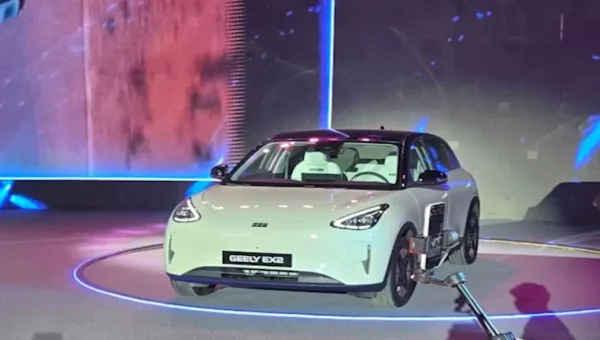
Geely has launched the Galaxy EX2 in Egypt as the cheapest new electric vehicle under one million Egyptian pounds, competing with the Dongfeng Box. The Geely EX2 accelerates from 0…
Egypt's Cheapest EVs: Geely EX2 vs Dongfeng Box Compared
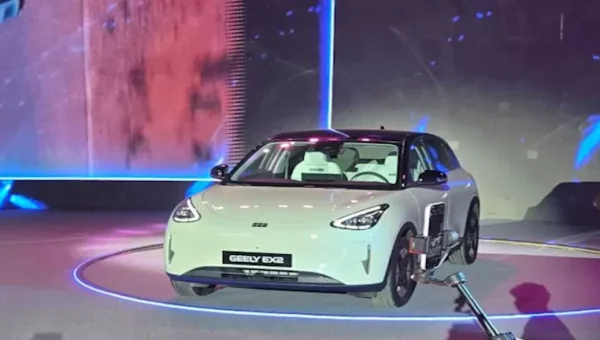
Egypt now has two new electric vehicles priced under one million pounds each: the Geely Galaxy EX2 and the Dongfeng Box. The Geely EX2 accelerates from 0 to 50 km/h…

Hidden Door Handles in EVs: The Unexpected Danger When Accidents Strike
Electric vehicle expert Tony Latif revealed that flush electric door handles, designed to improve aerodynamics and range, can prevent occupants from exiting after a crash because the battery disconnects power…
EV Door Handles Under Fire After Suffocation Incidents
Tony Latif, an electric vehicle expert, revealed real incidents of suffocation and health problems caused by the difficulty of exiting EVs quickly after accidents. The electrical system disconnects automatically on…