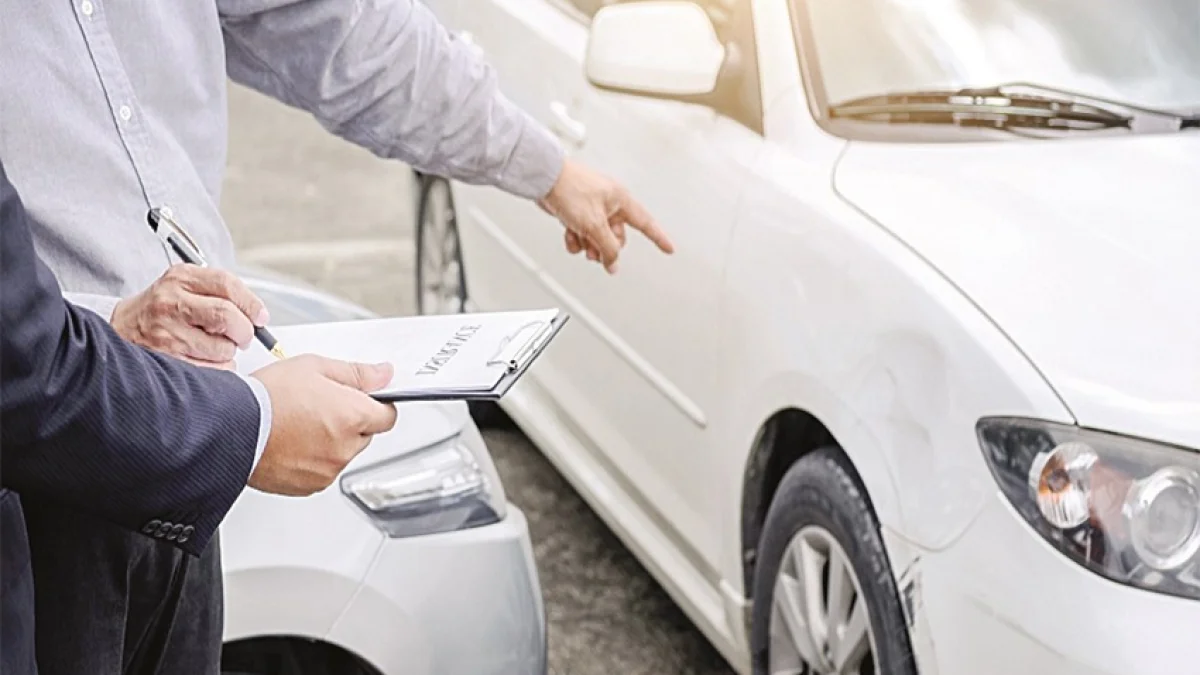
Xenon Headlights Could Void Your Insurance: Expert Explains the Rules
Installing xenon headlights does not automatically void your insurance, but it can lead to claim rejection if the lights are linked to causing the damage. Any modification after policy issuance must be reported in advance, as insurers base coverage on the original inspection. The solution is obtaining written approval and an insurance endorsement to maintain coverage under the vehicle's new condition.
Insurance companies may refuse your claim after an accident simply because you installed xenon headlights. A small lighting modification turns into a major dispute with your insurer, and everything depends on when you reported it and what your policy document says.
Why Xenon Lights Threaten Your Policy
Insurance expert Mustafa El-Sawy explained that any modification made after the initial inspection requires immediate notification to the company. Coverage is based entirely on the vehicle's condition at the time of contracting, and any later change without documentation may count as a breach of agreed terms.
The rule doesn't apply to xenon lights only. Installing larger wheels or technically unsuitable rims, or changing any major component, alters the risk profile of the vehicle. Cosmetic changes may seem harmless, but they become a decisive factor when assessing an accident and determining how the damage connects to the modification.
When Does Coverage Fall and When Does It Survive?
Xenon lights themselves don't automatically void your coverage. The expert stresses that problems appear only when the device is linked to causing the damage itself. Damage to the wiring harness or a fire resulting from installation gives the company grounds to reject compensation for these specific losses.
The logic is simple: the new risk was not part of the originally insured condition. Insurance companies calculate risk levels and coverage values based on the data recorded at signing, and any deviation from this data opens the door to wide-ranging disputes.
The Preventive Solution Before Modifying
Prior notification is the first line of defense. El-Sawy's advice is clear: contact your insurer before making any substantial modification and obtain written approval. If the company accepts the change, an insurance endorsement is issued and added to the original policy.
This endorsement guarantees continued coverage under the vehicle's new condition. The decision rests with the owner: either document the modification through official endorsement, or risk losing the entire claim after an accident. The choice seems obvious, yet many discover the rule too late.
Frequently Asked Questions
3 questions answered
Related News
View All News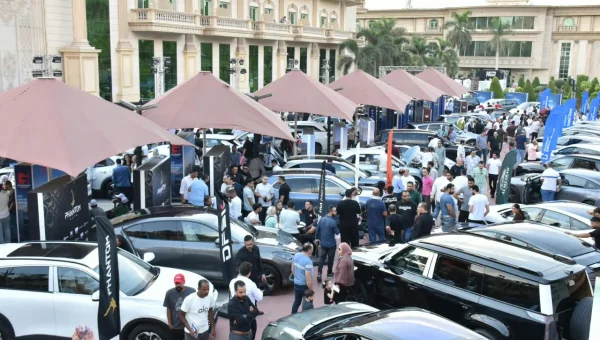
30,000 Visitors and Sold-Out Inventory: Inside Egypt's First Green Friday Market
BrandIt Cairo hosted Egypt's first Green Friday Market at Al Masa Hotel in Nasr City, attracting over 30,000 visitors and 37 exhibiting brands. Most participating companies sold their entire used…
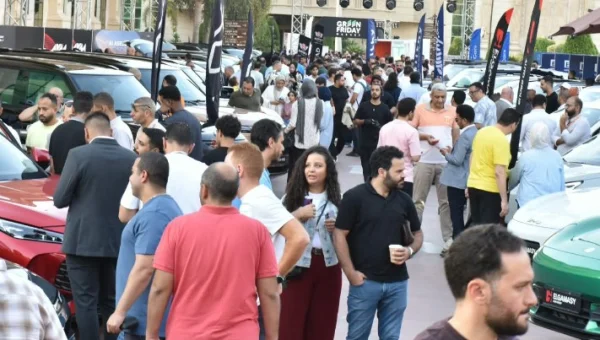
37 Brands, 30,000 Visitors: Green Friday Market Debut Wraps with Car Financing Up to EGP 15 Million
BrandIt Cairo organized the first edition of Green Friday Market on October 8 and 9 at Al Masa Hotel in Nasr City, with 37 automotive brands and over 30,000 visitors.…
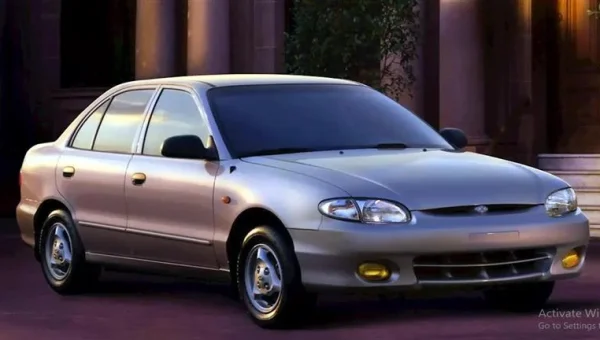
5 Used Cars Under 1 Million EGP in Egypt This October
Five used cars lead Egypt's market this October with prices under one million EGP: Hyundai Accent from 300,000 EGP, Chevrolet Optra from 430,000, Renault Logan averaging 500,000, plus MG 5…

5 Chinese Car Brands That Break the Resale Value Rule in Egypt
Five Chinese car brands — MG, Chery, Geely, Haval, and BYD — are breaking the traditional rule that Chinese cars lose massive value on resale in Egypt. In September 2026,…
Badr El-Din: Rising Import Costs and Tech Evolution Reshape Egypt's Auto Accessories Market
Badr El-Din confirmed that Egypt's auto accessories market is undergoing a radical transformation due to rising import costs and accelerating technological evolution. Customs duties and exchange rate fluctuations have raised…