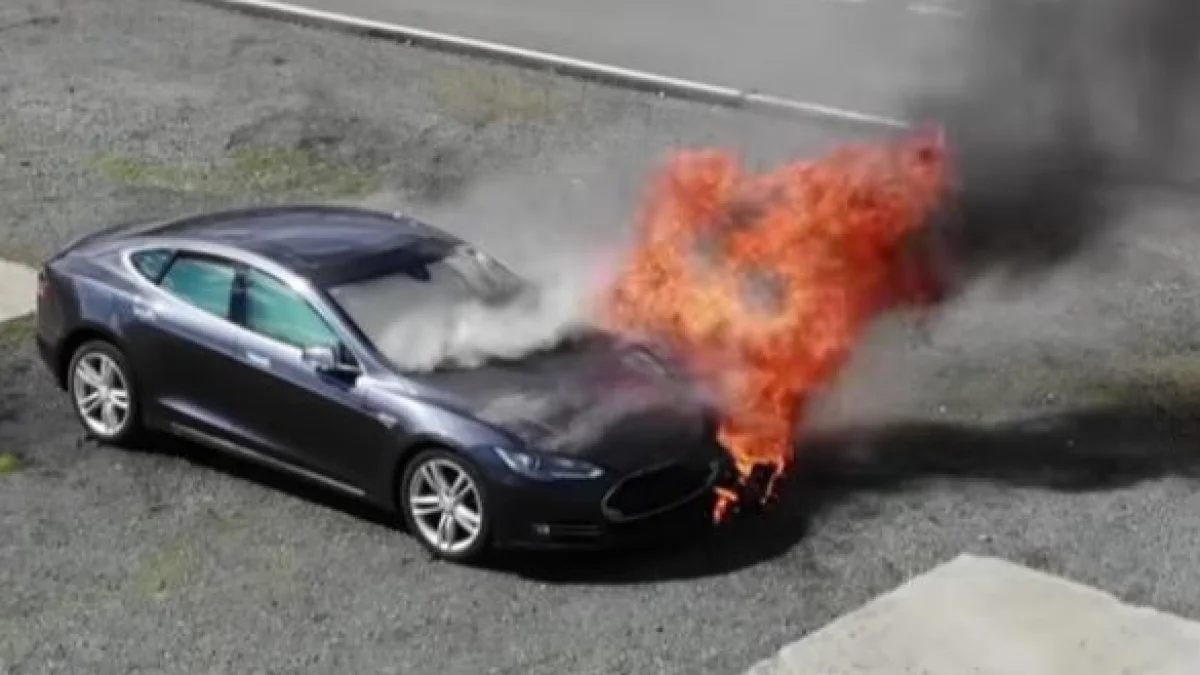
Urgent Actions to Save Your Life When Your Car Catches Fire Suddenly
A minor malfunction in a car can escalate into a devastating fire within minutes, especially when caused by a fuel leak, electrical short circuit, or severe engine overheating. In such critical moments, safety experts emphasize that the absolute priority is not saving the vehicle, but preserving the lives of the driver and passengers. Proper actions taken in the first few minutes can significantly contain the spread of flames and reduce both human and material losses.
Immediate Steps When a Fire Breaks Out
The first and most urgent step is to stop the car immediately upon noticing any warning sign, whether it's smoke rising, a burning smell, or visible flames. Try to pull over in a safe location away from traffic as much as possible, then turn off the engine instantly to reduce ignition sources. Next comes the rapid evacuation of all occupants; instruct everyone to leave the vehicle immediately and move to a safe distance, without wasting any time gathering luggage or personal belongings, especially if the fire is spreading quickly.
Deadly Mistakes to Avoid
One of the most common and dangerous mistakes in such situations is opening the hood when a fire has started in the engine compartment. Experts strongly warn against this action because the influx of oxygen can dramatically intensify the flames, potentially multiplying the size of the fire and causing severe injury to the person opening the hood. Instead, if the fire is limited and still in its early stages, a car fire extinguisher can be used with great caution, directing the spray at the base of the flames from a safe distance. However, if the fire is dense or has spread to most parts of the car, do not attempt to extinguish it yourself; move away immediately to a safe distance.
Warning Other Vehicles and Calling Emergency Services
After moving to a safe location, the next step is to protect other road users. It is advisable to turn on hazard lights if possible and place a reflective warning triangle behind the vehicle when it is safe to do so, in order to prevent additional accidents caused by a stationary vehicle on the road. Simultaneously, emergency services should be contacted immediately with an accurate location description. Experts strongly warn against returning to the vehicle before rescue teams arrive, even if the fire appears to have subsided, because flames can reignite or an explosion can occur due to ignited fuel or flammable components.
Long-Term Prevention Strategies
To reduce the risk of a car fire, experts recommend adhering to comprehensive periodic maintenance, which includes regular inspection of electrical circuits and fuel hoses. Any oil or fuel leaks must be repaired immediately upon detection, and the use of counterfeit or unknown-origin spare parts should be strictly avoided. It is also recommended to always keep a functional fire extinguisher inside the vehicle in an easily accessible location, while checking its expiration date and replacing it when needed. These simple preventive measures can make the difference between a minor incident and a major catastrophe, ensuring everyone's safety on the road.
Related News
View All News
1618 Passenger Cars from 2023, 2024, and 2025 Models Exit Dealer Stocks, Appear in September Licenses
September zero-kilometer vehicle licenses recorded 1,618 passenger cars from the 2023, 2024, and 2025 model years, indicating dealers are clearing older inventory into the Egyptian market. The breakdown was 398…

Forthing Prepares to Produce First Electric Vehicle in Egypt by April 2027
Forthing is preparing to start local production of its first electric vehicle in Egypt by April 2027 through its local partner AVM. The Chinese brand is also studying making Egypt…

Official Reveals Who Is Exempt from Egypt's Latest Car Price Hikes
Montaser Zeitoun, a member of Egypt's General Division for Automobiles, confirmed that recent price hikes affected around 20 new car models with increases between EGP 5,000 and EGP 150,000. Buyers…

Golden Dragon Tops Egypt's Bus Sales in August
Bus sales in Egypt rose 35% in August to 1,652 vehicles, up from 1,224 units a year earlier, according to AMIC. Golden Dragon topped the brand rankings with 377 buses,…

Egypt Car Dealers Raise Prices Gradually to Test Market and Maintain Competition
Car dealers in Egypt have raised prices gradually even as the dollar neared EGP 54, aiming to test the market's ability to absorb hikes without losing market share. Distributor Helmy…