Toyota Tsusho Announces Plans to Manufacture a New Model in Egypt
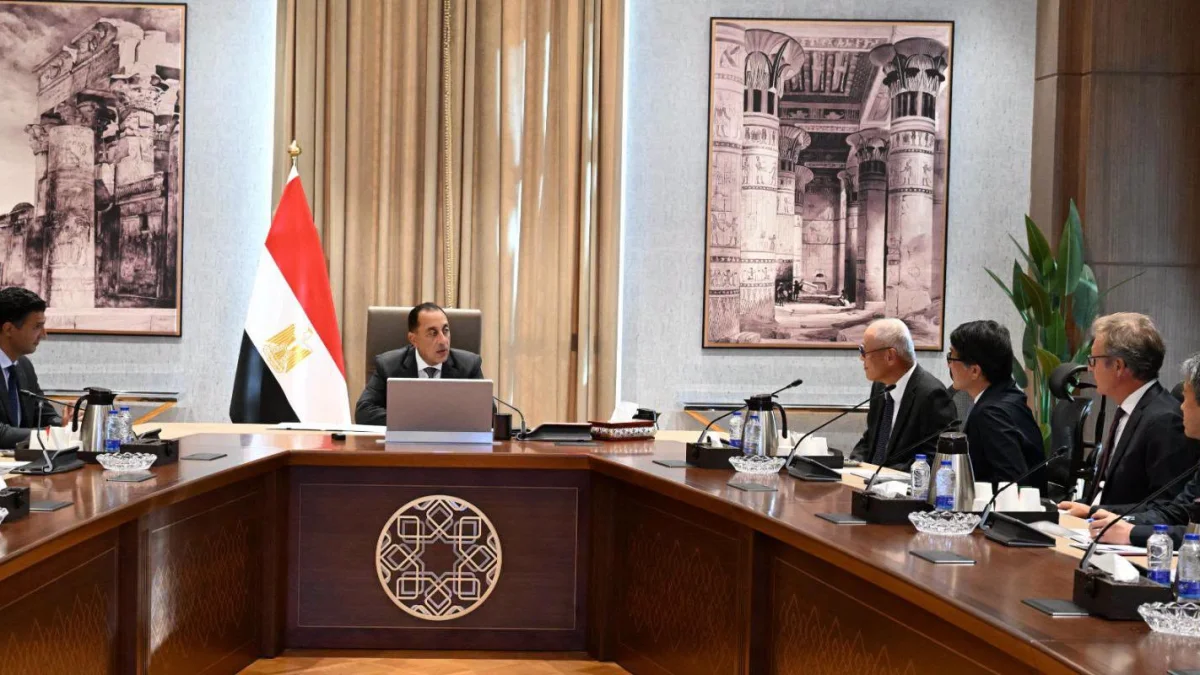
Toyota Tsusho has announced plans to manufacture new vehicles in Egypt, revealed during a meeting between Prime Minister Mostafa Madbouly and CEO Toshimitsu Imai. The company sold 9,600 cars in Egypt during 2025 and has been producing the Fortuner locally since 2012. Egypt's government is offering incentives to deepen localization and boost local component usage, with export opportunities supported by existing trade agreements.
Toyota Tsusho Corporation has revealed its intention to manufacture new vehicles in Egypt during the coming period. The announcement came during a high-level meeting between Egyptian Prime Minister Mostafa Madbouly and a Japanese delegation led by Toshimitsu Imai, President and CEO of the group, to discuss expansion opportunities in the local market.
Government Meeting Opens Door for Japanese Expansion
Tuesday's meeting with Madbouly marks the second such encounter in a short span, highlighting the government's push to attract fresh automotive investments. Talks centered on vehicle manufacturing and renewable energy, with both sides reviewing Egypt's strategic location as a regional hub for production and export.
The industry minister confirmed during the meeting that Egypt has a clear national strategy for vehicle manufacturing and assembly, backed by a package of investment incentives. He expressed hope that more plants would be localized, particularly for Toyota models that could leverage the country's trade agreements with multiple markets.
Sales Figures Fuel Expansion Ambitions
9,600 vehicles were sold by Toyota in Egypt during 2025, according to Imai's official statement. The Japanese company operates in the Egyptian market through both the Toyota and Lexus brands, and has been manufacturing the Fortuner locally since 2012.
The group's CEO clearly indicated that the company aims to manufacture an entirely new category in Egypt, potentially a completely new vehicle in the near future. He reiterated the group's full support for Egypt's national plan to boost local component ratios and deepen industrial localization.
Shifting toward local production gives Toyota a distinct pricing advantage amid currency fluctuations and rising import costs. Demand for used Toyota vehicles remains robust, reinforcing the business case for expanding local assembly to additional models that serve both domestic buyers and export markets.
What Does This Mean for the Local Market?
Manufacturing a new model will strengthen the local distributor's position and ensure greater vehicle availability at more stable prices. Egypt's market shows growing appetite for SUVs, making expansion in this segment a logical step for the Japanese giant. Final details regarding the anticipated model and production timeline remain undisclosed, but early signals suggest a decision is imminent.
Frequently Asked Questions
3 questions answered
Related News
View All News
Egypt Bus Sales Surge 62% in July to 1,835 Units
Bus sales in Egypt grew 62% in July to 1,835 units, up from 1,133 in the same month last year. King Long topped the brand rankings with 664 vehicles, followed…
Locally Assembled Passenger Car Sales Rise 9.5% in Egypt's First 7 Months of 2026
Locally assembled passenger car sales in Egypt grew 9.5% in the first seven months of 2026, reaching 37,943 units. Imported vehicle sales surged 40% to 49,197 units. Data from the…
Local 60% Component Equals Full Manufacturing, Says Automotive Traders Association
Mahmoud Hammad, Vice President of the Automotive Traders Association, said a local component ratio of 60% to 70% is equivalent to full manufacturing globally. He explained that the engine and…

Automobile Club Launches 'On the Road' Campaign to Boost Traffic Safety
The Egyptian Automobile and Touring Club, in cooperation with the FIA, has launched a new awareness campaign called 'On the Road' to raise awareness about the dangers of distracted driving.…
Used Car Market Bounces Back Ahead of School Year: Dealer Reveals Top-Selling Models
Egypt's used car market saw a rebound ahead of the new school year, with strong demand for Chinese cars used by ride-hailing drivers, priced between 250,000 and 800,000 Egyptian pounds.…