New Car Pound in Khanka Holds 1,200 Vehicles and Reshapes State Asset Management
Egypt's Ministry of Local Development opened a new vehicle pound and confiscation custody unit in Khanka with a capacity of up to 1,200 vehicles. The facility, built on 37,800 square meters, includes inspection yards, auction areas, and maintenance workshops. The project aims to consolidate vehicle custody activities in one secure location, freeing up prime urban land for redevelopment into community services. This move is part of a broader state strategy to enhance asset management efficiency and optimize land use across governorates.
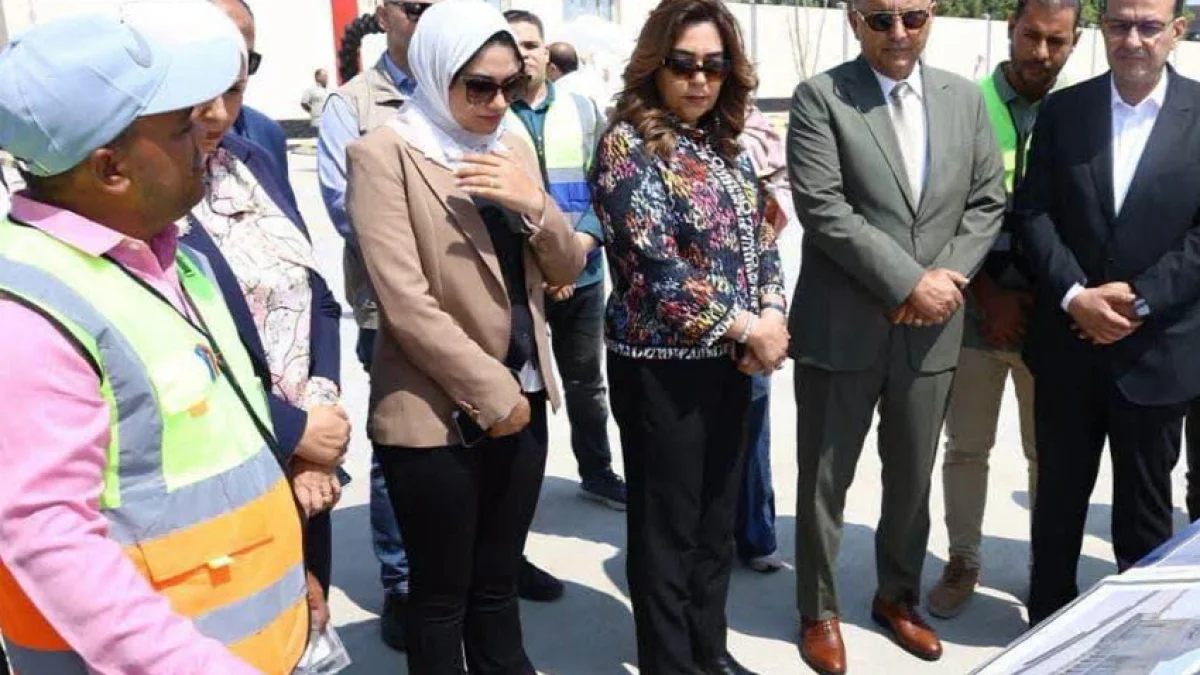
Egypt's Minister of Local Development and Environment, Dr. Manal Awad, alongside Qalyubia Governor Dr. Eng. Hossam Abdel Fattah, officially opened the new vehicle pound and confiscated property custody unit in Abu Zaabal, Khanka district. The facility boasts a capacity of up to 1,200 vehicles, fully financed from the ministry's budget. This launch signals a broader push toward restructuring how state-owned assets are managed and monitored.
Massive Facility with Full-Service Infrastructure
The scale is impressive — 37,800 square meters of total area dedicated to the new car pound. The facility offers much more than simple parking space. It includes a dedicated inspection yard covering 700 square meters and an auction area stretching across 2,000 square meters. Service workshops and a car wash are also part of the complex, bringing every vehicle-related function under one secure roof.
Attending the ceremony were Deputy Governor Dr. Iman Rayan, Dr. Saeed Helmy Abdel Khaleq, Head of Planning and Integrated Local Development Sector. Engineer Gehan Masoud, Secretary General of Qalyubia Governorate. Colonel Ahmed Abu Bakr, Head of Khanka City, also joined alongside numerous executive leaders and representatives from relevant authorities. The high-profile attendance reflects the project's strategic importance on the local governance agenda.
Land Reorganization and Maximizing Asset Value
This project represents a pivotal step in local service development. Minister Awad emphasized that it demonstrates the state's commitment to upgrading service facilities and maximizing the utilization of available land and assets. The ultimate target is enhancing asset management efficiency while ensuring optimal resource deployment across governorates, aligning with broader economic reform objectives.
The minister explained that establishing integrated sites for handling confiscated and impounded vehicles brings greater discipline and organization. The new environment provides a proper setting for inspections, auctions, and maintenance operations, all conducted within regulated frameworks and standards — a clear departure from the scattered and uncontrolled lots used previously.
Nearly as important as the facility itself is what it enables elsewhere. By relocating these activities to a secure, well-equipped site away from residential blocks, authorities can free up prime land parcels within cities. These plots become available for redevelopment into service and development projects that directly address citizens' needs. The ministry is pushing this model across various governorates, aiming to deliver tangible added value while raising the bar for urban management and service quality in Egyptian cities.
Frequently Asked Questions
3 questions answered
Related News
View All News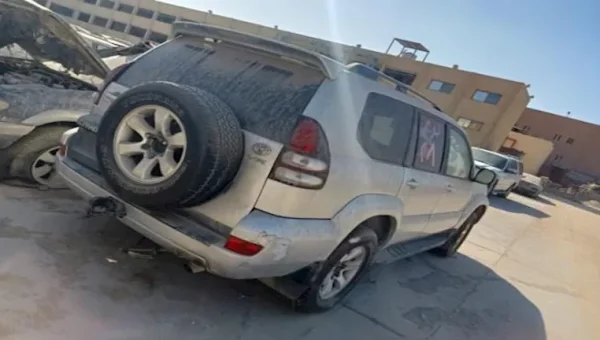
Cairo Airport Used Cars Auction on October 21: EGP 50K Deposit, EGP 400 Specs Book
Egypt's General Authority for Government Services has announced a major public auction of used cars from neglected, abandoned, and customs-seized lots at Cairo International Airport and Damietta Customs, set for…
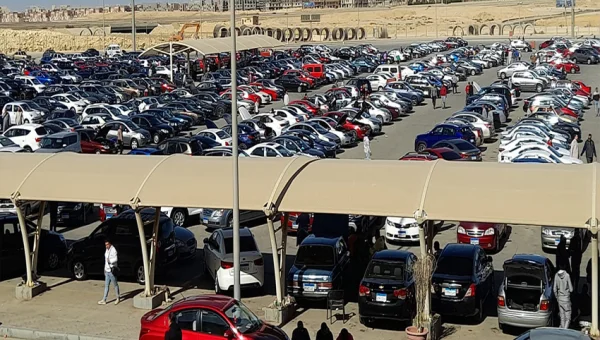
Late 2026 Rebound: Egypt's Used Car Sales Jump 20% with Demand Focused Below EGP 600K
Egypt's used car market rebounded by 20% in the final quarter of 2026, yet sales remained focused on models priced below EGP 600,000. Dealer Fadel Mahmoud noted the market had…
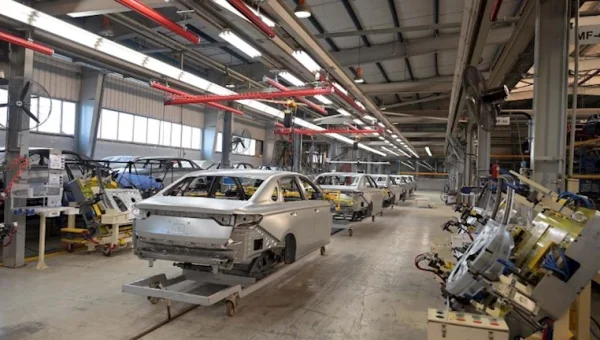
Egypt's Car Assembly Map Expands: Kaiyi, Chevrolet Groove, and Kia Lead the Next Wave
Egypt's car assembly map is expanding with the Kaiyi X3 Pro, Chevrolet Groove, and Kia models entering local production lines. Nissan assembles Sunny, Sentra, and Magnite, while Hyundai produces Accent…
Chevrolet Optra: The Brand's Cheapest Car Before the Locally Assembled Groove Arrives
Chevrolet is set to launch the locally assembled Groove SUV in Egypt with a 1.5-liter turbo engine producing 145 hp. Until then, the Optra stays the brand's cheapest model, offering…

Egypt Car Sales Surge 25.7% to Over 135,000 Units in 8 Months
Egypt's car sales rose 25.7% year-on-year from January to August 2026, reaching 135,445 vehicles, according to AMIC. Passenger cars grew 22%, while buses surged 78%. The recovery aligns with government…