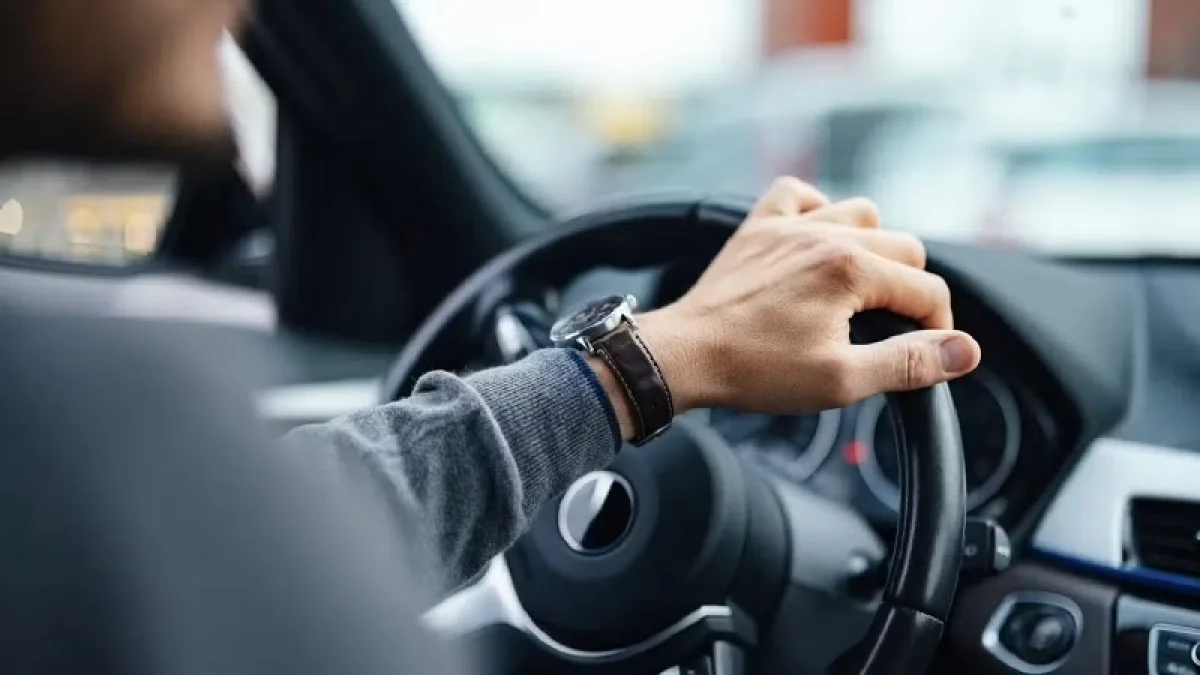
A Simple Mistake Behind the Wheel Could Slow Your Reaction: How to Adjust Your Driving Position Safely
Safe driving does not depend solely on the condition of your Toyota or obeying speed limits; the way a driver sits behind the wheel can significantly affect control, response time, and the ability to handle sudden situations on the road. An incorrect seating position can weaken grip on the steering wheel and pedals, increase fatigue on long trips, and reduce the effectiveness of seat belts and airbags in the event of a crash.
Distance from the Steering Wheel and Foot Placement
The seat should be adjusted so that the driver can hold the steering wheel without fully extending their arms, while leaving a safe gap between the chest and the wheel. Sitting too close restricts movement and increases the risk from airbags, while sitting too far makes steering slower and less precise. Knees should be slightly bent when pressing the accelerator or brake pedals, as fully straightening the leg reduces the ability to apply quick, strong pressure when needed. This position also helps reduce strain during long drives.
Back Support, Head Restraint, and Grip
Keep your back straight and supported by the seatback, with the head restraint adjusted close to head level rather than lower on the neck. This reduces back pain and helps protect the neck in a rear-end collision. The optimal grip on the steering wheel is with hands at the 9 and 3 o'clock positions, offering better control and reducing the risk of arm injuries when the airbag deploys. Driving with one hand is not recommended except when absolutely necessary, as it weakens the ability to make sudden maneuvers.
Mirrors and Seat Belts Before Moving
Before starting to drive, adjust the rearview mirror to clearly see the road behind you, then set the side mirrors to minimize blind spots as much as possible. Properly adjusted mirrors provide better visibility when changing lanes or reversing. The seat belt should be worn correctly: the upper portion crossing the middle of the shoulder and chest, and the lower portion across the hips, not the abdomen. Ensure all passengers are buckled up, not just the driver.
Focus Is Part of the Driving Position
Even with perfect seating, a driver loses a significant amount of safety if distracted by a phone, food, or anything else inside the car. Good posture gives you the ability to react, but focus is what ultimately prevents accidents. Always remember: adjusting your driving position is not just about comfort—it is an investment in your safety and the safety of everyone on the road.
Related News
View All News
Top 5 Japanese Used Cars Starting from EGP 500,000 in the Egyptian Market
The report highlights the top 5 Japanese used cars in the Egyptian market starting from EGP 500,000, led by the Toyota Corolla with 2018–2021 models priced between EGP 750,000 and…

Egypt's Car Market: 'Over-Price' Premiums Return as Supply Tightens
The over-price premium has returned to Egypt's car market after months of stability, according to Ashraf Sharbas, head of the Automotive Division at the Giza Chamber of Commerce. He attributed…

How to Get a Driving License for the First Time and Renew It from Home
Egypt's General Traffic Department has outlined the steps to obtain a driving license for the first time and renew it from home. The process includes submitting required documents, a medical…

Fiat Egypt Launches Maintenance Installment Plan Up to 6 Months via 4 Banks
Dynamix, Fiat's distributor in Egypt, has introduced maintenance installment plans of up to 6 months or 3 months through Banque Misr, Banque du Caire, QNB, and CIB. The offers are…

Aswan Prosecutor's Office Car Auction Set for October 27 — Full Details
Egypt's General Authority for Government Services will hold a public auction on October 27, 2026, for used vehicles from the Aswan Prosecutor's Office. The sale includes pickups, minibuses, and dump…