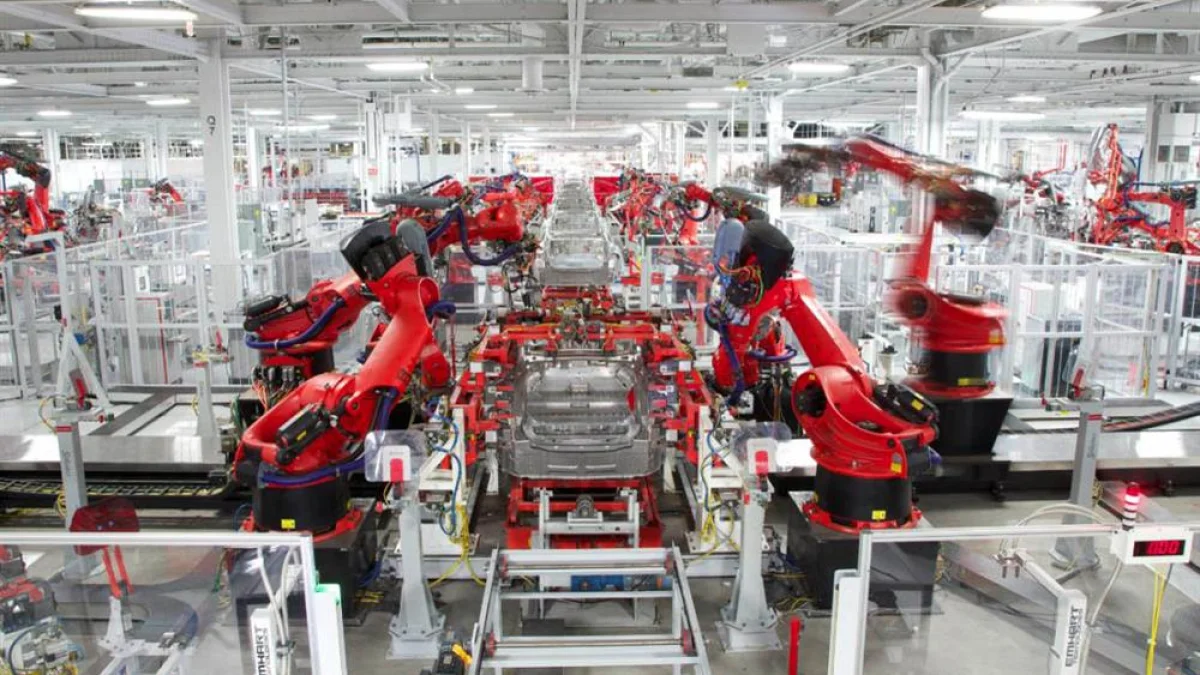
A Giant Electric Vehicle Battery Plant in Egypt Nears Its Grand Opening
Egypt's Ministry of Industry announced that a global company is close to opening a massive electric vehicle battery plant in the country. The battery is the most expensive component in an EV, representing about 50% of its total price. Localizing battery production aims to raise the local content ratio to 60% and 65% while attracting new investments. Full project details are set to be revealed at the appropriate time.
Egypt is on the verge of a game-changing move in its electric vehicle industry, as Engineer Alaa Salah El-Din, head of the Automotive Industry Unit at the Ministry of Industry and supervisor of the national program for automotive industry development, revealed that a global company specializing in EV batteries is close to inaugurating a massive manufacturing facility. The battery accounts for roughly 50% of an electric car's total price, making local production a transformative step for the entire market. Full project details are expected to be announced at the appropriate time.
Why Is the Battery the Most Critical Component in an EV?
The battery isn't just another part bolted onto an electric vehicle — it's its beating heart and by far its most expensive element. Since the battery represents about half of the total cost of an electric car, localizing its production in Egypt delivers a double-edged benefit. Manufacturing batteries domestically would drastically cut import dependence, boost the local content ratio in cars assembled here. Keep the added value inside the national economy rather than watching a massive chunk of every car's cost flow overseas as imported parts.
The key figure to remember is 50%. That means any meaningful progress in local battery production directly impacts the final vehicle price and the depth of industrial localization. That is precisely why the ministry places this file at the very top of its priorities within an ambitious plan to raise the local content ratio in car manufacturing to 60% and 65%, with even higher targets for electric vehicles. The expected impact goes well beyond pricing, extending to building a competitive domestic market and attracting fresh investment.
Building an Industry or Just Assembling Cars?
The difference between assembling vehicles and establishing a genuine industrial base is massive. Localizing battery production goes far beyond simple assembly, because it hands Egypt a rare opportunity to build an integrated manufacturing ecosystem encompassing batteries, their components, feeder industries, technology, and associated services. A domestic battery production line would open the door to attracting new investments in other EV components while supporting the transfer of global technology and know-how to the Egyptian market.
On the long road toward genuine electric vehicle manufacturing, this plant stands as a milestone. The move comes at a time of accelerating global momentum toward clean energy. Egypt aims to become part of that global market, whether by meeting local demand or exporting to the wider region. The higher the local industry's capacity to produce key components, the greater the added value each car generates within Egypt. The weaker the dependence on volatile external supply chains that have suffered repeated global disruptions.
This new factory is far more than an ordinary industrial facility — it's Egypt's gateway into the club of nations that actually produce electric vehicle technology. With the opening date drawing closer, the local market is eagerly awaiting the full project announcement, while the ministry works to create a supportive environment capable of attracting even more investment into this vital sector.
Frequently Asked Questions
3 questions answered
Related News
View All News
Autotech 2026 Concludes with 550 Exhibitors from 40 Countries, Egyptian-Polish Cooperation Takes Center Stage
The 30th edition of Autotech 2026 concluded in New Cairo with over 550 exhibitors from 40 countries across a space exceeding 23,000 square meters. The final day featured a special…
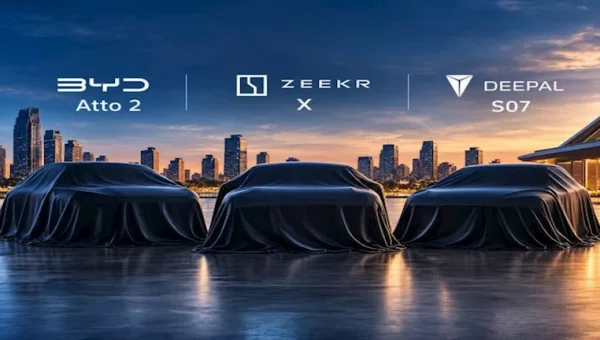
Zeekr in Egypt: Millions in Price and Fierce Competition with Premium Brands
Zeekr's Chinese EVs are facing strong competition in Egypt, with some models priced above 3 million EGP. In the compact EV segment, the BYD Atto 2 undercuts the Zeekr X…
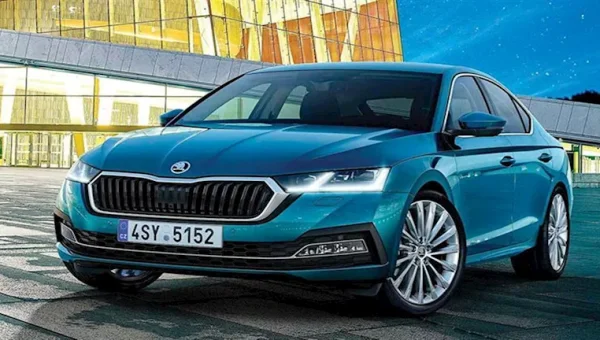
Skoda Octavia A8: The Cheapest Skoda in Egypt After Topping European Registrations
The Skoda Octavia A8 is the cheapest model the Czech brand offers in the Egyptian market this October. It packs a 1.4 TSI engine with 150 hp and an 8-speed…
Hyundai Accent RB Officially Dropped from Dealer Lists in October: Full Details
Hyundai Accent RB has been removed from the official dealer price list in Egypt this October, reinforcing reports of permanent production halt. The locally assembled sedan was Hyundai's cheapest model…
Boiling Water and Car Tires: The Truth Behind the Viral 'Renewal' Trend
A viral trend shows people submerging worn car tires in boiling water to restore them. Automotive experts confirm this does not repair damage and actually worsens cracks and internal structure.…