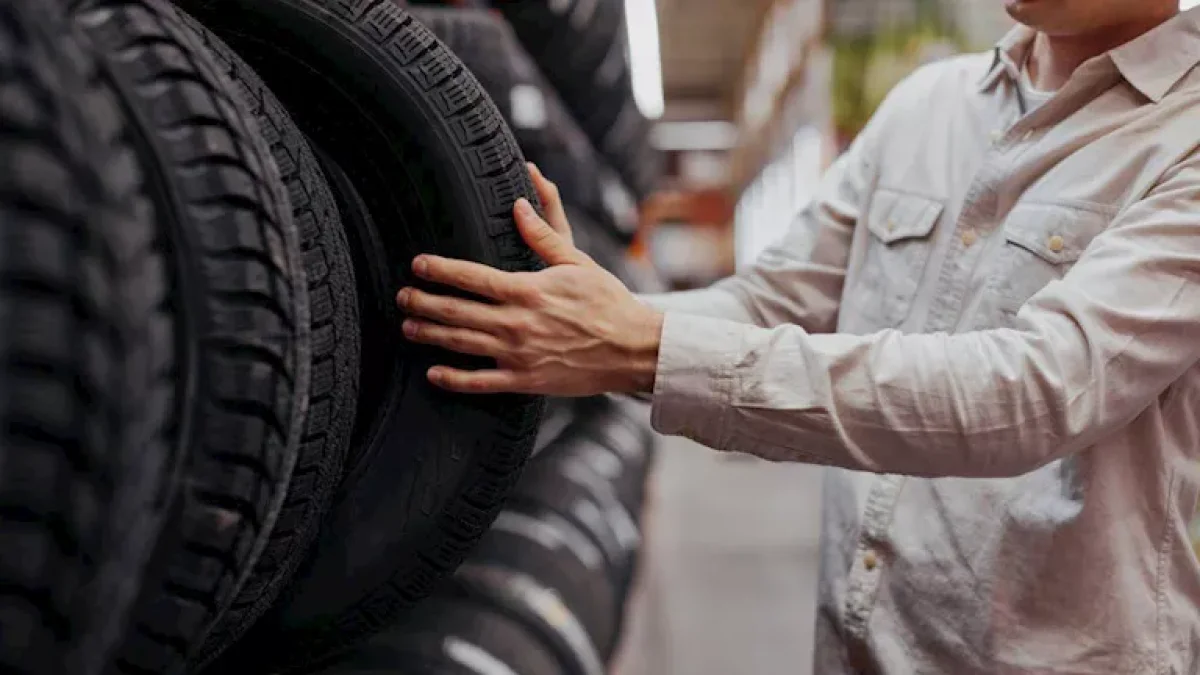
Boiling Water and Car Tires: The Truth Behind the Viral 'Renewal' Trend
A viral trend shows people submerging worn car tires in boiling water to restore them. Automotive experts confirm this does not repair damage and actually worsens cracks and internal structure. High heat strips oils from rubber, causing Dry Rot. Safe maintenance involves regular checks and timely replacement.
A viral social media trend has users dunking worn car tires into boiling water at 100°C, claiming it restores them to showroom condition within minutes. Influencers insist the heat re-bonds rubber and erases cracks. But does this actually work? Experts say no, and the practice could be deadly.
Automotive Experts Debunk the Boiling Water Myth
Car tire specialists confirm that submerging tires in boiling water doesn't repair damage from wear and tear. Instead, it worsens existing cracks and compromises internal structure. The tire becomes less capable of handling driving pressures, raising the risk of a blowout. Fading cracks after hot water exposure don't mean the rubber has regained its original properties. Aging, heat, UV rays, and environmental exposure cause irreversible changes to rubber composition.
Why This Method Is Dangerous for Your Tires
Car tires are made from chemically treated rubber, sulfur. Reinforcing materials designed to withstand friction and road pressure, not sudden extreme heat like boiling water. This exposure breaks down chemical bonds. High temperatures strip flexible oils and preservatives from the rubber, leaving it dry and prone to rapid cracking, a condition known as Dry Rot. The result: a tire that looks fine outside but has lost its safe performance. In Egypt's summer heat, this risk multiplies on highways.
Safe Alternatives for Tire Maintenance
Instead of following dangerous hacks, automotive experts recommend regular checks of air pressure and tread depth. Replacing tires when indicators reach the minimum. Safe driving requires sound tires, not temporary fixes that risk lives. On Egypt's roads, where pressures are high, tire care is a necessity, not a luxury. Avoid storing tires under direct sunlight and use protective covers for long-term storage.
The bottom line is clear: there is no shortcut to restoring a tire. Boiling water may hide defects for hours but destroys internal structure and reveals them at the first real road test. Road safety starts with choosing reliable tires and replacing them on time, not with social media recipes.
Frequently Asked Questions
3 questions answered
Related News
View All News
Hyundai Accent RB Officially Dropped from Dealer Lists in October: Full Details
Hyundai Accent RB has been removed from the official dealer price list in Egypt this October, reinforcing reports of permanent production halt. The locally assembled sedan was Hyundai's cheapest model…
Bajaj Qute: Cairo's Legal Tuk-Tuk Replacement Priced at EGP 224,900
Cairo governorate has banned tuk-tuks from streets in Dar El Salam district starting October 10, with violators facing confiscation. The Bajaj Qute stands out as the approved four-wheeled legal alternative,…

30,000 Visitors and Sold-Out Inventory: Inside Egypt's First Green Friday Market
BrandIt Cairo hosted Egypt's first Green Friday Market at Al Masa Hotel in Nasr City, attracting over 30,000 visitors and 37 exhibiting brands. Most participating companies sold their entire used…

37 Brands, 30,000 Visitors: Green Friday Market Debut Wraps with Car Financing Up to EGP 15 Million
BrandIt Cairo organized the first edition of Green Friday Market on October 8 and 9 at Al Masa Hotel in Nasr City, with 37 automotive brands and over 30,000 visitors.…
5 Used Cars Under 1 Million EGP in Egypt This October
Five used cars lead Egypt's market this October with prices under one million EGP: Hyundai Accent from 300,000 EGP, Chevrolet Optra from 430,000, Renault Logan averaging 500,000, plus MG 5…