

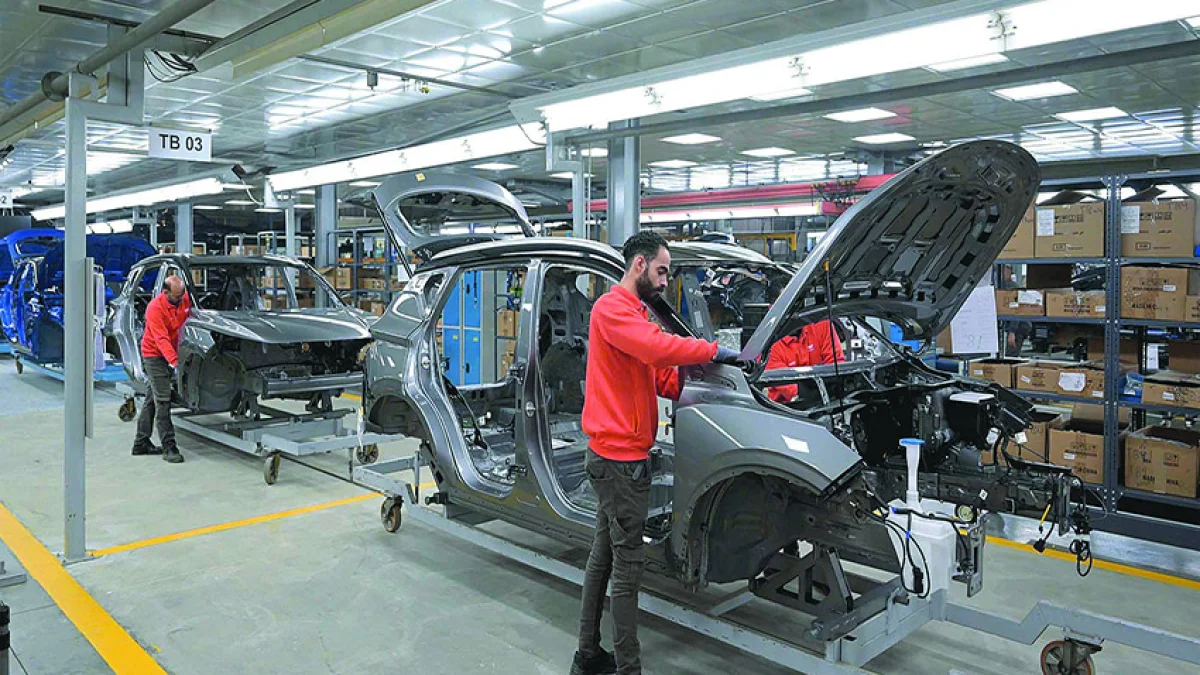
Egypt to Build Locally Made Electric Car, Targets 100,000 Vehicles Annually
Prime Minister Mostafa Madbouly announced that Egypt will manufacture a locally made electric car in the coming period, targeting 100,000 vehicles annually within two to three years. The government aims to exceed 60% local component integration while continuing to support national industry and struggling factories. The announcement, made at the Egypt Forum 2026 closing session, reflects a push to link higher output with technology and component localization.
Egypt will manufacture a locally made electric car in the coming period, Prime Minister Mostafa Madbouly announced, setting a target of 100,000 vehicles produced annually within two to three years. The plan also aims to exceed 60% local component integration. The shift is official.
Egypt's Localization Strategy for the Automotive Industry
Speaking at the closing session of the Egypt Forum 2026, Madbouly outlined the government's automotive localization targets. The plans go beyond raising production numbers — they extend to deepening manufacturing and increasing reliance on local components to support feeder industries and boost value added within the Egyptian economy. That kind of industrial deepening demands heavy investment in supply chains.
Can these figures reshape the market? The government is betting that supporting national industry and assisting struggling factories will raise output and strengthen manufacturing capacity. But the road is long. Egypt's car industry needs robust infrastructure and a supplier network capable of meeting 60% local content — a technical and economic challenge rolled into one.
The Egyptian Electric Car: A Step Toward Global Shift
Building a locally made electric car marks a qualitative leap in Egypt's automotive development path. The global push toward electric vehicles is forcing Egypt to accelerate, and the announcement signals political will to link higher production with technology localization. Yet the obvious questions remain: what are the specs? What will it cost? No technical details were disclosed.
Context matters. Egypt wants to keep pace with the global electric transition while expanding its manufacturing base. Both goals require investment in batteries, charging infrastructure, and technical training — elements the announcement did not explicitly address but which are essential for any local EV project to succeed.
Supporting National Industry and Struggling Factories
The Prime Minister confirmed continued support for national industry and struggling factories. The backing covers improving production and enhancing manufacturing capabilities, but it raises questions about implementation mechanisms and timelines. Producing 100,000 vehicles a year is a big number compared with current Egyptian output. It requires upgrading and expanding production lines.
Local content above 60% inevitably means parallel growth in feeder industries: plastics, metals, glass, electronics. These sectors are the backbone of any real car industry. Without them local assembly remains an incomplete first step. The government's direction is clear in linking production to localization, but results on the ground will judge the plan's success.
Frequently Asked Questions
3 questions answered
Related News
View All News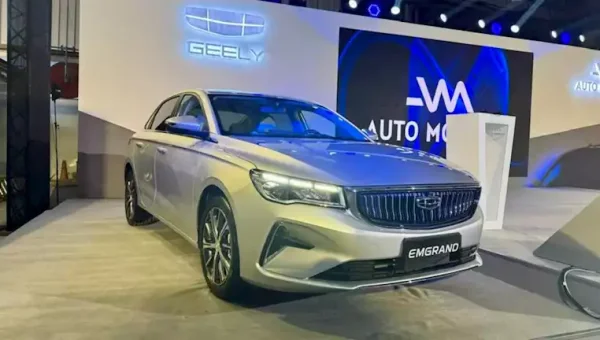
Geely Egypt Pledges to Honor Original Prices for Existing Reservations
Aut Mobility, Geely's distributor in Egypt, has committed to delivering reserved vehicles at the official prices set at contract signing. The move follows price increases on Geely Emgrand 2027 by…

Interior Ministry Arrests Reckless Van Driver Who Let Children Sit on Roof in Al-Nahda
Egypt's Interior Ministry arrested a van driver after a video showed him allowing children to sit on the roof of his moving vehicle in the Al-Nahda area of Cairo. The…
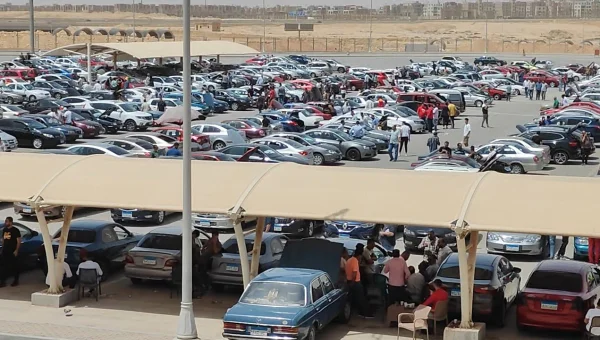
Used Car Market Set for 30% Sales Surge in November and December
Egypt's used car market is poised for a strong rebound in the final two months of 2026, with traders forecasting a 30% increase in sales during November and December. Sales…
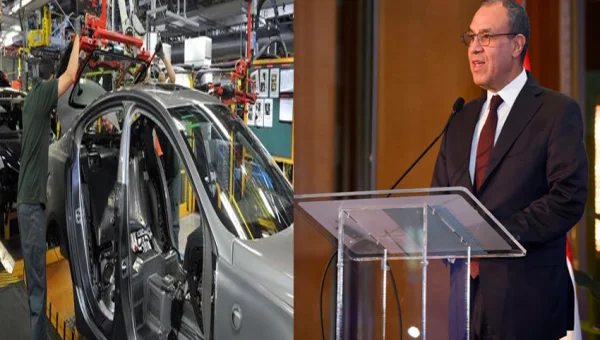
Foreign Minister: Localizing Auto Components and Deepening Manufacturing Boost Egypt's Competitiveness
Foreign Minister Badr Abdel Ati affirmed that localizing auto components and deepening local manufacturing are key to boosting Egypt's automotive competitiveness. Speaking at the fifth World Manufacturing Conference in Cairo,…

Throwing a Tea Cup Out Your Car Window Could Cost You EGP 15,000 and Your License
Egyptian Traffic Law Article 72 bis (2) imposes a fine of EGP 5,000 to EGP 15,000 on any driver who throws waste or litter from a vehicle onto the road.…

