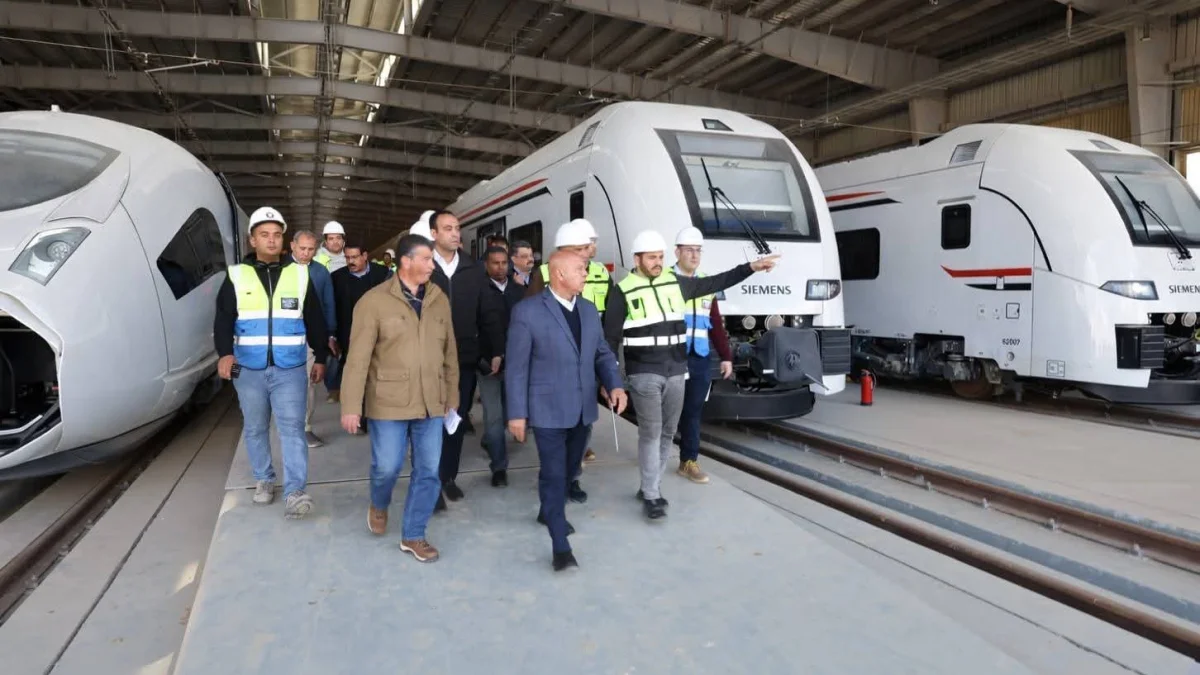
Egypt's Electric Rail Project Hits Major Milestone with October Trial Run Deadline
Egypt's Transport Minister has announced a firm timeline for completing major public transit projects, with trial operations of the high-speed electric railway beginning in early October. The 2,250 km network will consist of four main lines and is projected to carry 2.5 million passengers daily once the first three lines are operational. Metro Line 5 has been replaced with a 116 km BRT project, with its first phase already running and the second launching in September.
Egypt's Transport Minister has announced a firm timeline for completing the nation's massive public transit projects, with the first trial run of the high-speed electric railway scheduled for early October. An inspection tour of the first line revealed significant construction progress across multiple sectors. The headline number here is 2,250 kilometers — the total planned length of the electric rail network that will eventually connect the country's east to its west.
Three Core Pillars Define Egypt's Public Transport Overhaul
The government's vision extends far beyond conventional railways, encompassing three fundamental pillars. Intercity transport sits at the top, utilizing high-speed electric trains and modern buses along major corridors. Urban mobility within megacities like Cairo and Alexandria forms the second pillar, targeting daily commuters. The third and most critical element links these modern transit systems with feeder routes from new urban communities and residential developments.
Execution speed defines this current phase of the project. The ministry has set clear priorities. The average citizen stands to benefit most from these ambitious undertakings. Toyota prices and daily commuting costs remain pressing concerns. This new network offers a genuine alternative that eases the burden on households across the country.
Four High-Speed Rail Lines Will Reshape Egypt's Geography
The high-speed electric rail network comprises four main lines spanning vast territories of the republic. The first line extends from Sokhna to Marsa Matruh, passing through Cairo and Alexandria. The second line runs south from October City to Abu Simbel, serving Upper Egypt's major stations. The third line connects Qena to Safaga and Hurghada along the Red Sea coast. Meanwhile, the fourth line stretches approximately 250 kilometers from Port Said to Alexandria, developed in partnership with the private sector.
This integrated system will completely transform intercity travel across Egyptian governorates. Once the first three lines become fully operational, the network will carry 2.5 million passengers daily. That figure places Egypt among leading nations in public transportation infrastructure and unlocks new investment potential in real estate and tourism along the entire corridor network.
Trial Operations Begin on First Rail Sector This October
Test runs without passengers will commence on one sector of the first line in early October. Operations are expected to expand gradually to cover the entire line, followed by passenger service once technical and security readiness is confirmed. Fences, bridges, and level crossings represent the final components currently being completed — essential elements ensuring safe and reliable operations.
Progress on the second high-speed rail line is advancing rapidly, according to the minister's statements during the inspection. Toyota Corolla and family sedans will remain essential choices for many commuters, but with this new network, high-speed rail becomes a truly competitive alternative on the road.
Metro Line 5 Replaced by Massive BRT Bus Project
A bold decision by the ministry replaced the fifth metro line with a Bus Rapid Transit project spanning 116 kilometers. The first phase is already operating from Alexandria Agricultural Road to Golf Station. The second phase launches in September, extending from Golf through Maadi, Autostrad, Mariouteya. Mansoureya, reaching the Fayoum Road at Sun Capital Station.
This ambitious project delivers modern, rapid transit services to Greater Cairo residents at a fraction of metro construction costs. Cairo used car market dynamics will shift considerably as public transport networks expand, reducing daily dependence on private vehicles within the city. The ministry is finalizing its timeline to complete all public transit projects. October 1st marks the true starting point for a new era in Egyptian transit.
Frequently Asked Questions
3 questions answered
Related News
View All News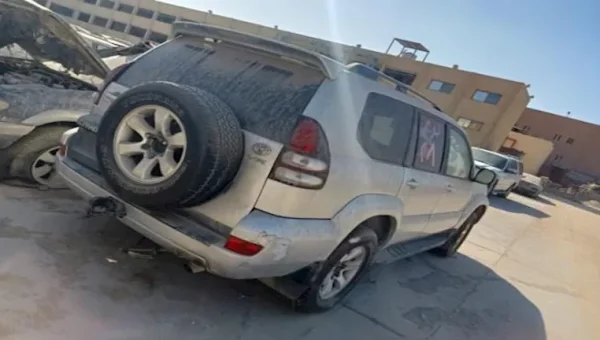
Cairo Airport Used Cars Auction on October 21: EGP 50K Deposit, EGP 400 Specs Book
Egypt's General Authority for Government Services has announced a major public auction of used cars from neglected, abandoned, and customs-seized lots at Cairo International Airport and Damietta Customs, set for…
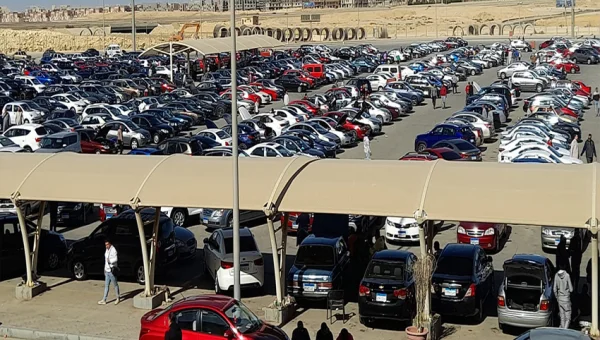
Late 2026 Rebound: Egypt's Used Car Sales Jump 20% with Demand Focused Below EGP 600K
Egypt's used car market rebounded by 20% in the final quarter of 2026, yet sales remained focused on models priced below EGP 600,000. Dealer Fadel Mahmoud noted the market had…
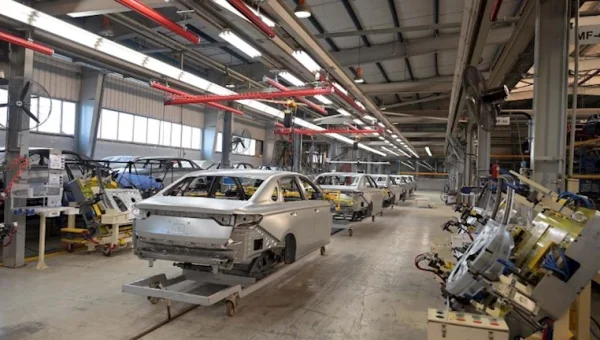
Egypt's Car Assembly Map Expands: Kaiyi, Chevrolet Groove, and Kia Lead the Next Wave
Egypt's car assembly map is expanding with the Kaiyi X3 Pro, Chevrolet Groove, and Kia models entering local production lines. Nissan assembles Sunny, Sentra, and Magnite, while Hyundai produces Accent…
Chevrolet Optra: The Brand's Cheapest Car Before the Locally Assembled Groove Arrives
Chevrolet is set to launch the locally assembled Groove SUV in Egypt with a 1.5-liter turbo engine producing 145 hp. Until then, the Optra stays the brand's cheapest model, offering…

Egypt Car Sales Surge 25.7% to Over 135,000 Units in 8 Months
Egypt's car sales rose 25.7% year-on-year from January to August 2026, reaching 135,445 vehicles, according to AMIC. Passenger cars grew 22%, while buses surged 78%. The recovery aligns with government…