Driving During Earthquakes: The Complete Safety Guide for Egypt Drivers
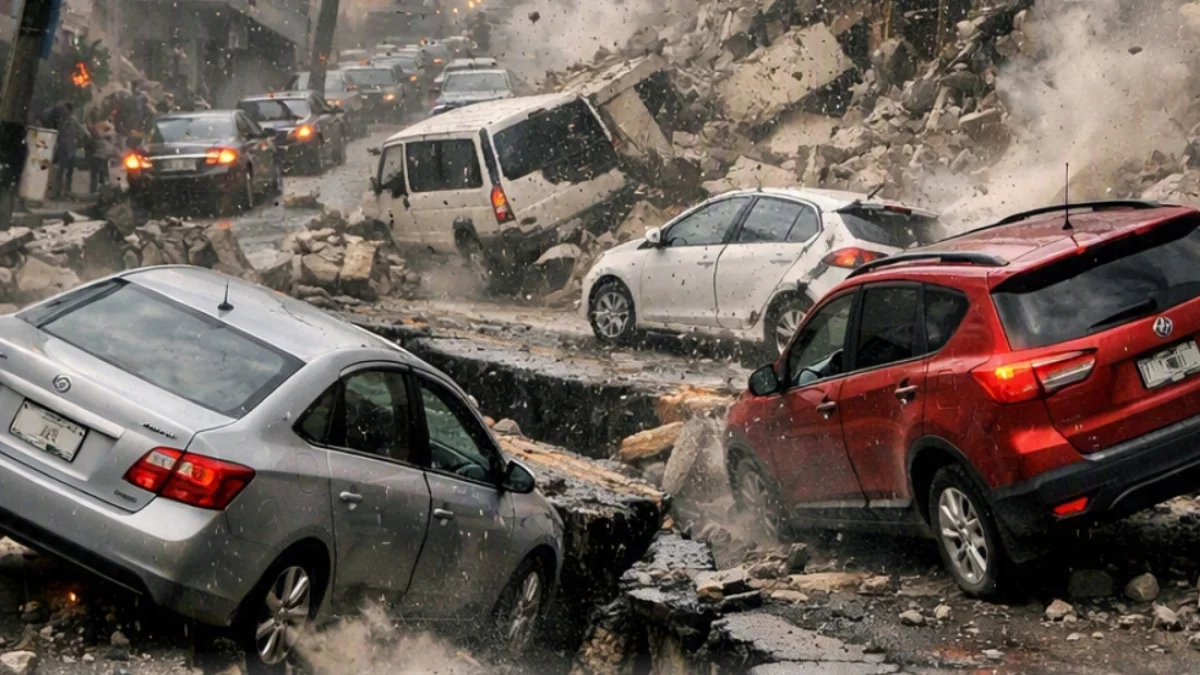
Earthquakes strike without warning. Just hours ago, Egypt felt the ground shake, leaving thousands of motorists in a precarious situation. Driving during seismic activity requires special guidance. Knowing what to do can mean the difference between safety and danger.
What to Do When the Shaking Starts
First, keep your composure. Panic weakens your judgment and can lead to dangerous decisions. Take a deep breath and focus on what matters right now — every second counts in this critical moment.
Look for a safe place to pull over. As soon as you feel the ground trembling, reduce speed and attempt to stop on the roadside with utmost safety. Avoid stopping under bridges, tunnels, trees, or power lines, as these structures may collapse during the tremor. Turn off the engine and engage the parking brake once you're fully stopped — this minimizes the risk of your vehicle moving unexpectedly.
Keep your seatbelt fastened and remain inside the vehicle until the shaking subsides. Make sure children stay in their designated seats. If possible, lean forward and cover your head and neck with your arms to protect yourself from falling objects. Your car offers better protection than exposed ground — don't exit it before the earth completely settles.
After the Shaking Stops: Assessing the Situation
Check yourself and all passengers for injuries first. If someone is hurt, provide first aid if you can. Then, exit your car cautiously and inspect it for damage that could affect its operation — broken windows, leaks, or visible structural damage.
Decide whether staying put is safer than moving on. Remaining in place might be wise if the roads are chaotic, or you might even leave your car aside and walk to your destination if it's nearby. Watch for potential road damage and debris blocking your path — you may need to wait until rescue teams clear the obstacles.
Turn on your car radio or emergency alert system for updates and instructions from authorities. Minimize mobile phone usage unless absolutely necessary, as networks might be congested. Driving after an earthquake requires double caution — roads may be damaged and signals may not function. Take things slowly and never risk your safety just to arrive faster.
Related News
View All News
Alexandria Customs Auction Offers Porsche, Mercedes, BMW in October 2026
Alexandria Customs will hold a public auction on October 7, 2026, at the Civilization Sports Club in Cairo, offering Porsche, Mercedes, BMW, Land Rover, Chrysler, Mitsubishi, and Chevrolet vehicles. Participation…

Media Professor: Consumer Protection Agency Is the Right Channel for Car Owners' Complaints, Not Social Media
Dr. Saeed Hamed, a media professor at Suez University, called on car owners to submit complaints through the Consumer Protection Agency rather than social media. He warned that some bloggers…
10 Used Cars Under EGP 1 Million in the Egyptian Market This October
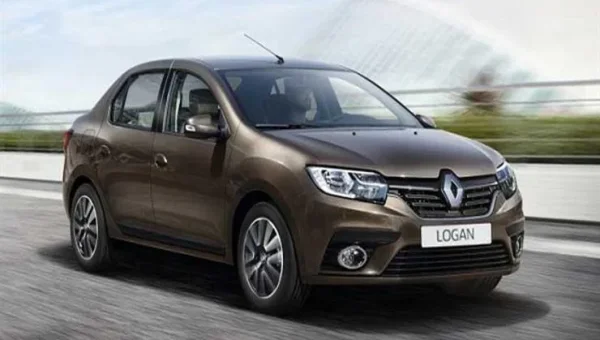
Rising new car prices pushed buyers to the used market in Egypt, where 10 cars are available under EGP 1 million this October. A 2018 Renault Logan starts at EGP…
Egypt Cancels Fire Extinguisher and Triangle Requirement for Car Licensing — How Much You Save?
Egyptian traffic units eliminated the requirement to present a fire extinguisher, reflective triangle, and first aid kit when issuing or renewing vehicle licenses. Car owners save between 1,300 and 1,425…
Auto Ahram: A Trusted Platform for New and Used Car Prices in Egypt
Auto Ahram is a specialized website for new and used car prices in Egypt. It provides comprehensive coverage of prices for all makes and models. It is an essential reference…