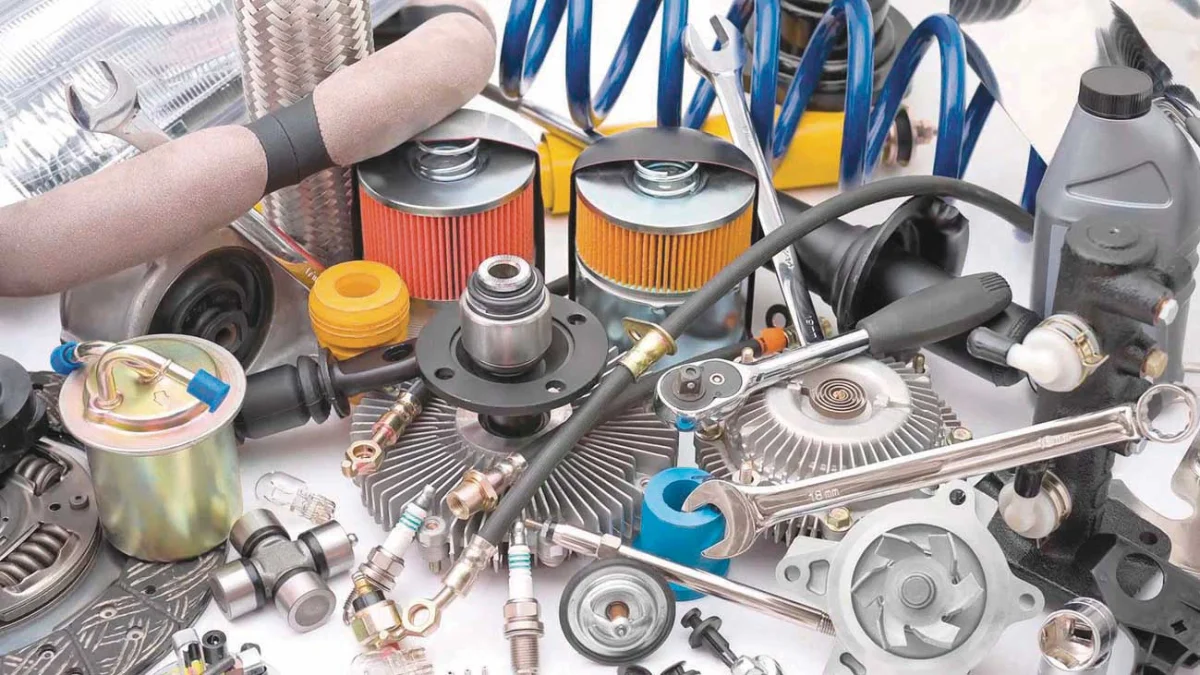
Chinese Car Parts Shortage Crisis in Egypt: Vehicles Stuck in Service Centers for Over 4 Months
Egypt's automotive market is facing an escalating crisis in the availability of Chinese car spare parts, driven by shipping delays, rising import costs, and global supply chain disruptions. Customer vehicles remain stranded in service centers for periods exceeding four months, leading to a surge in consumer complaints. With Chinese brands now holding over 40% of current market sales, the impact is being felt across a wide demographic of car owners. A board member of the General Automotive Division is urging distributors to boost inventories and find alternative shipping solutions to protect the brands' competitive edge and customer trust.
A real crisis is hitting Chinese car owners in Egypt, with vehicles sitting in service centers for over four months waiting for parts that never arrive. The after-sales sector is suffering from a severe supply shortage, compounded by shipping delays, soaring import costs. Global supply chain disruptions that show no sign of easing. What started as isolated complaints has now become a structural problem threatening the reputation of entire brands in the local market.
Consumer Complaints Mount While Dealers Face Pressure
Montasser Zeiton, a board member of the General Automotive Division, openly detailed the crisis. He stated that the past period witnessed a clear shortage in car spare parts, especially for Chinese brands, leading to a noticeable rise in consumer complaints. He added that customer vehicles remain inside service centers for periods exceeding three and four months due to unavailable required parts, increasing the financial burden on owners at a time when some parts have seen significant price hikes.
Here's the starkest number: Chinese cars now hold over 40% of current market sales in Egypt. Any disruption in after-sales service or parts availability will therefore impact an enormous swath of consumers. With the crisis dragging on, Zeiton warned of a decline in the competitive advantage Chinese brands have built over recent years—an advantage rooted in lower prices than European, Japanese. Korean rivals while offering high equipment and specification levels.
Dealers Urged to Act Swiftly and Secure Inventory
Zeiton directed a clear message to Chinese car distributors, urging them to resolve the crisis before it worsens and to focus on increasing inventories while securing alternative shipping and import routes. The core principle here is that the customer remains the main driver of brand competitiveness; if trust in after-sales services erodes, buyers will simply look elsewhere. Dealers now face a real test of their supply chain management capabilities amid a difficult global economic climate.
The sharp increase in the price of certain parts has added fuel to the fire, turning even routine maintenance into a significant financial burden for owners. The current situation presents a double challenge: a shortage in quantity alongside an increase in price. It's a difficult equation even for the most organized brands operating in the Egyptian market.
This ongoing crisis highlights the critical importance of investing in strategic inventories of essential spare parts. The Egyptian market is learning a harsh lesson: selling a car is just the beginning. Sustained success depends entirely on what happens after the sale. Chinese brands that invested heavily in extensive dealer networks across Egypt are now called upon to protect that investment by resolving this issue as quickly as possible. The next battle in Egypt's automotive market will be fought not on price tags alone, but on trust and the quality of after-sales support.
Frequently Asked Questions
3 questions answered
Related News
View All News
Your Car Without a Fire Extinguisher or First Aid Kit: Can Traffic Police Still Fine You?
Egyptian traffic units began applying new licensing procedures on October 1 that remove the requirement to present a fire extinguisher, first aid kit, and reflective triangle when issuing or renewing…
Traffic Fines by Car Plate: How to Check Violations and File an Online Appeal
Egypt's electronic traffic services now allow drivers to check violations and fines by car plate from home. The process involves logging into the traffic services website, selecting inquiries, and entering…
Alexandria Customs Auction Offers Porsche, Mercedes, BMW in October 2026
Alexandria Customs will hold a public auction on October 7, 2026, at the Civilization Sports Club in Cairo, offering Porsche, Mercedes, BMW, Land Rover, Chrysler, Mitsubishi, and Chevrolet vehicles. Participation…

Media Professor: Consumer Protection Agency Is the Right Channel for Car Owners' Complaints, Not Social Media
Dr. Saeed Hamed, a media professor at Suez University, called on car owners to submit complaints through the Consumer Protection Agency rather than social media. He warned that some bloggers…
10 Used Cars Under EGP 1 Million in the Egyptian Market This October
Rising new car prices pushed buyers to the used market in Egypt, where 10 cars are available under EGP 1 million this October. A 2018 Renault Logan starts at EGP…