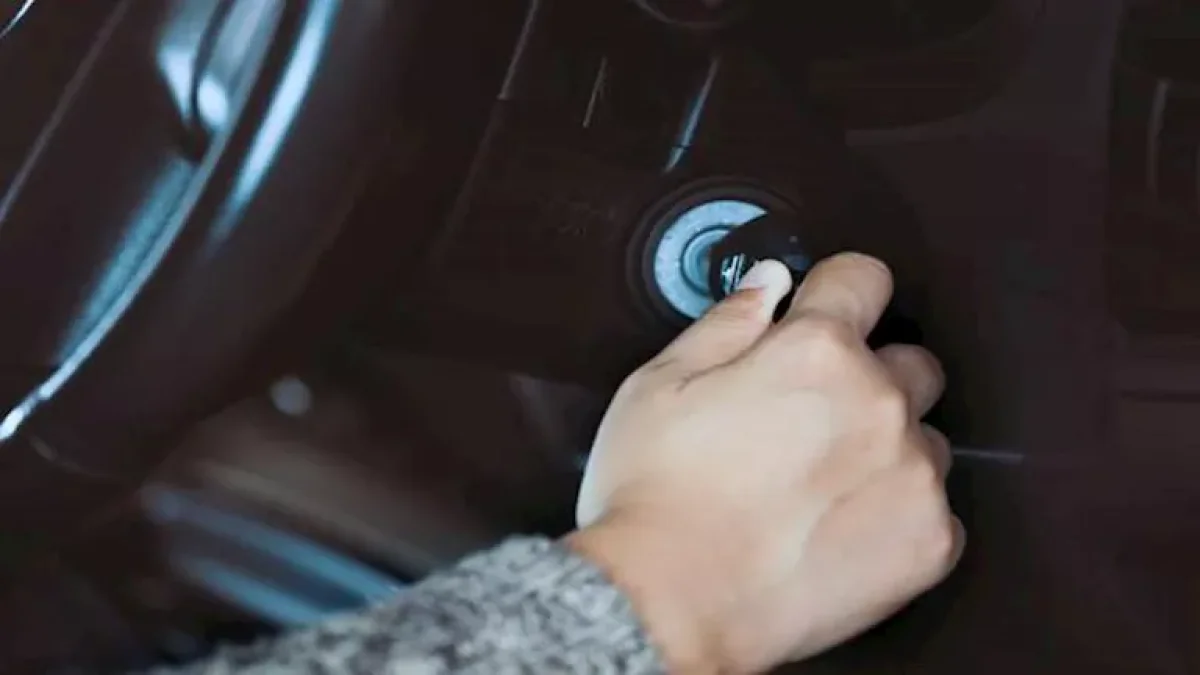
Essential Maintenance Tips Before Starting a Car After Long Storage
Leaving a car parked for an extended period without starting or moving it can lead to unexpected malfunctions that affect the engine, battery, and tires, and may even extend to other systems such as brakes and suspension, increasing repair costs upon reuse. Maintenance experts emphasize that restarting a vehicle after a long storage period should not be done haphazardly; rather, it requires a set of basic inspections to ensure the safety of various components, along with consulting a service center or a specialized technician if any abnormalities are observed.
Check Tires and Battery Before Starting
It is advisable to start by checking the tire air pressure, as prolonged standing leads to pressure loss and tire deformation due to the vehicle's weight over time. Also, ensure there are no cracks or sidewall damage from sun exposure or weather changes. The battery is one of the most affected parts during long storage, so its charge level must be measured before starting the car. In some cases, it may need recharging or replacement if it has lost efficiency. It is also recommended to clean the battery terminals from any deposits or salts and ensure the connections are tight for proper electrical system operation.
Check Fluids and Perform Engine Visual Inspection
Before turning the engine, check the engine oil level and condition, replacing it along with the oil filter if a long time has passed since the last change. Also, review the coolant level, brake fluid, and power steering fluid, and ensure there are no leaks that could affect vehicle performance. It is advisable to lift the hood and perform a quick inspection for signs of rodents or damage to wires and hoses, as small animals may seek shelter in the engine bay during the vehicle's idle period.
Initial Start and Gradual Movement
After starting the engine for the first time, experts recommend letting it idle for a few minutes to allow oil to reach all engine parts, while monitoring the temperature gauge and dashboard warnings. When moving, it is preferable to drive slowly initially and test the brakes and steering system at low speeds before accelerating, helping to detect any potential issues early.
Related News
View All News
1618 Passenger Cars from 2023, 2024, and 2025 Models Exit Dealer Stocks, Appear in September Licenses
September zero-kilometer vehicle licenses recorded 1,618 passenger cars from the 2023, 2024, and 2025 model years, indicating dealers are clearing older inventory into the Egyptian market. The breakdown was 398…

Forthing Prepares to Produce First Electric Vehicle in Egypt by April 2027
Forthing is preparing to start local production of its first electric vehicle in Egypt by April 2027 through its local partner AVM. The Chinese brand is also studying making Egypt…

Official Reveals Who Is Exempt from Egypt's Latest Car Price Hikes
Montaser Zeitoun, a member of Egypt's General Division for Automobiles, confirmed that recent price hikes affected around 20 new car models with increases between EGP 5,000 and EGP 150,000. Buyers…

Golden Dragon Tops Egypt's Bus Sales in August
Bus sales in Egypt rose 35% in August to 1,652 vehicles, up from 1,224 units a year earlier, according to AMIC. Golden Dragon topped the brand rankings with 377 buses,…

Egypt Car Dealers Raise Prices Gradually to Test Market and Maintain Competition
Car dealers in Egypt have raised prices gradually even as the dollar neared EGP 54, aiming to test the market's ability to absorb hikes without losing market share. Distributor Helmy…