Automotive Agents Demand Distributors Control Resale Prices to Traders
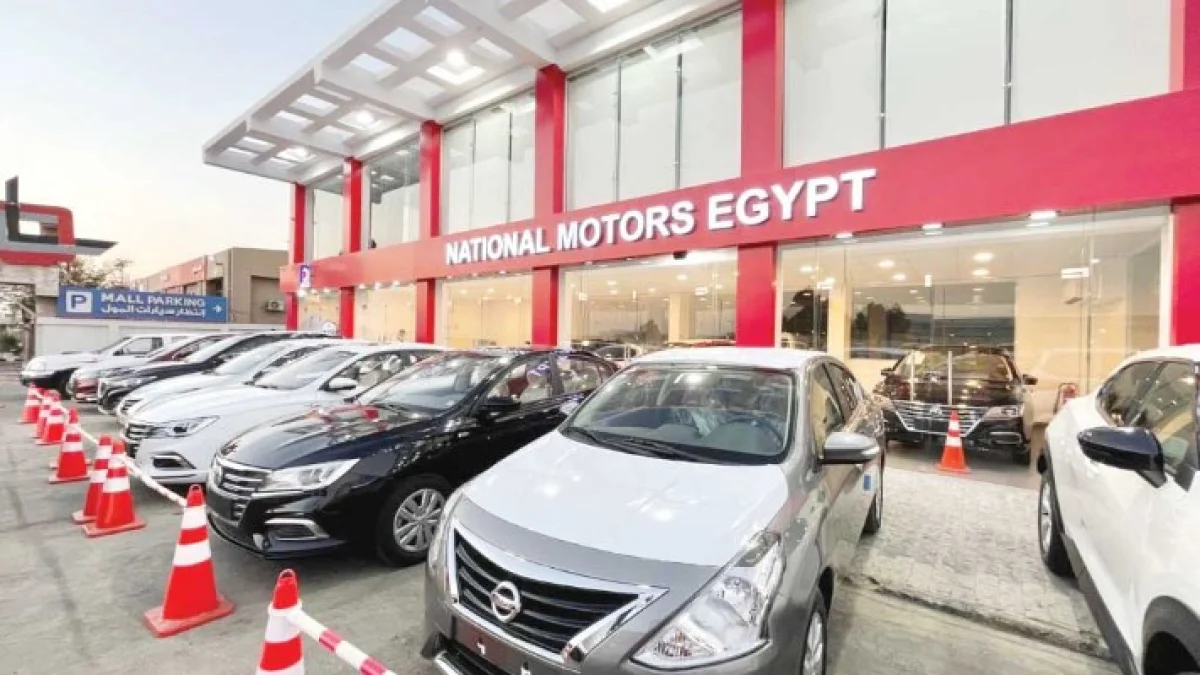
Several automotive agents in Egypt have begun issuing formal notices to distributors, demanding strict adherence to set price levels when selling to traders and prohibiting unauthorized discounts. The move aims to stabilize market pricing and curb practices undermining brand commercial policies. It follows instances of below-list-price selling that alarmed agents. The coming period will reveal whether these measures succeed in controlling market prices or if further restrictions are needed.
Several automotive agents in the local market have begun issuing formal notices to their distributors, demanding strict adherence to set price levels when selling to traders. The directive explicitly prohibits unauthorized price discounts. The move aims to stabilize market pricing and curb practices that could undermine brand commercial policies. It follows instances of below-list-price selling that have alarmed agents.
Why Are Toyota, Nissan, and Hyundai Acting Now?
Pressure is mounting. Agents fear that unofficial discounts from some distributors will disrupt the market and create uncertainty among consumers, especially with prices fluctuating noticeably. Brand commercial policies rely on unified pricing. Any deviation opens the door to further chaos in pricing for both new and used cars.
Distributors Caught Between Agent Pressure and Market Demands
Distributors find themselves in a tough spot. Pressure comes from two sides — agents demand adherence to official pricing, while the market pushes for more competitive rates to attract buyers. Some distributors see unauthorized discounts as the only way to move stagnant inventory, particularly as purchasing power weakens and prices for the Toyota Corolla and Nissan Sunny climb in the Egyptian market.
Risks of Unauthorized Discounts on Brand Image
Unauthorized discounts damage brand image. When a distributor sells below list price, the buyer who paid full price feels cheated, eroding trust in published pricing policies. Agents argue these practices create unrealistic consumer expectations and ultimately trigger destructive price wars. Pricing stability is key.
The local market has seen sharp price swings affecting purchase decisions. Some agents resorted to successive price hikes, while others preferred holding prices steady to attract customers. The current move appears aimed at regulating market rhythm and ensuring fair competition among distributors, especially with brands like Kia, Chery. MG competing fiercely for market share.
What Does This Mean for Egyptian Buyers?
Buyers may benefit short-term from any discounts, but in the long run, price stability protects resale value. Pricing chaos also hits the used market, since new car prices are the primary benchmark for used valuations. Agents are trying to protect this balance — even by imposing restrictions on distributors. But will all parties comply?
The coming period will reveal how effective these notices are. If agents succeed in controlling prices, relative stability may follow in the months ahead. But if unofficial discounts persist, more restrictive measures could emerge. Official price figures will remain the final arbiter, and Egyptian consumers watch cautiously.
Frequently Asked Questions
3 questions answered
Related News
View All News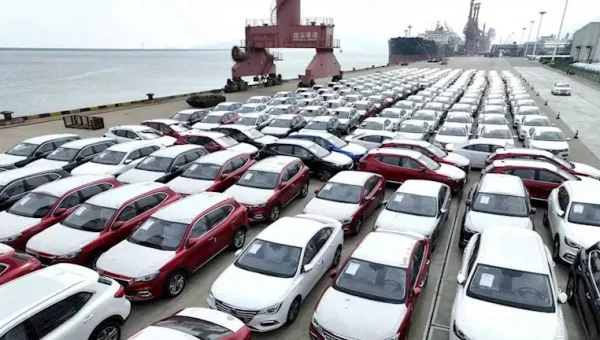
Egyptian Customs Settles the Debate: Expats' Car Initiative Ends, No Reopening for Registration
Ahmed Amwi, head of the Egyptian Customs Authority, has denied reports about reopening registration for the expats' car initiative. The program has officially ended, and only previous registrants may import…
New or Used? Two Officials Disagree on the Best Time to Buy a Car in Egypt
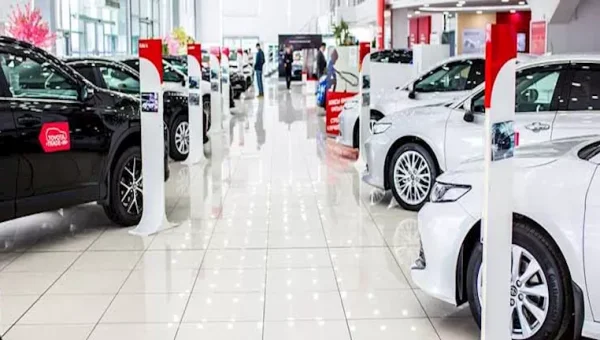
Egypt's car market is seeing a wave of new model launches and discount offers. Ashraf Sharbas, head of the automotive division at the Giza Chamber of Commerce, says now is…
Egypt's Vehicle Exports Hit $35.5 Million in Two Months, Led by UK
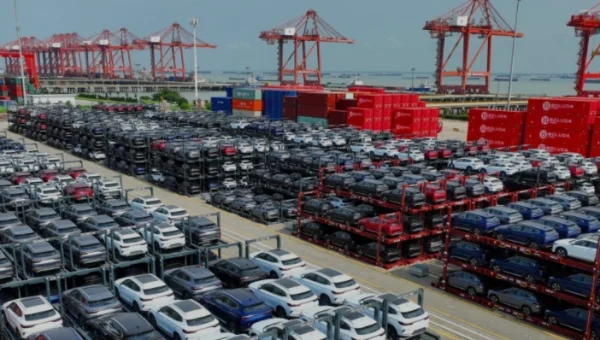
Egypt exported $35.48 million worth of fully built vehicles in May and June, shipping 440 units according to the Central Agency for Public Mobilization and Statistics. The United Kingdom topped…
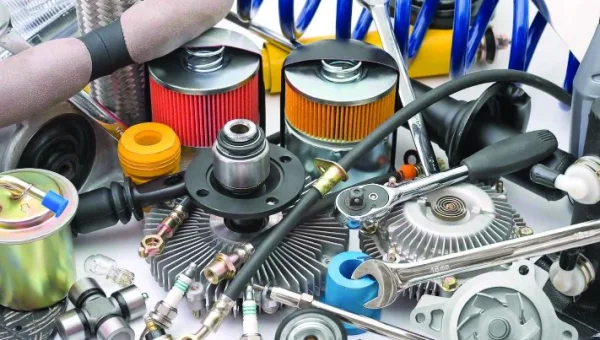
Egypt's Auto Production Component Imports Jump 43.9% in June to $88.6 Million
Egypt's imports of automotive production components climbed to $88.6 million in June, up 43.9% from May. Vehicle parts and accessories accounted for $67 million, followed by chassis fitted with engines…
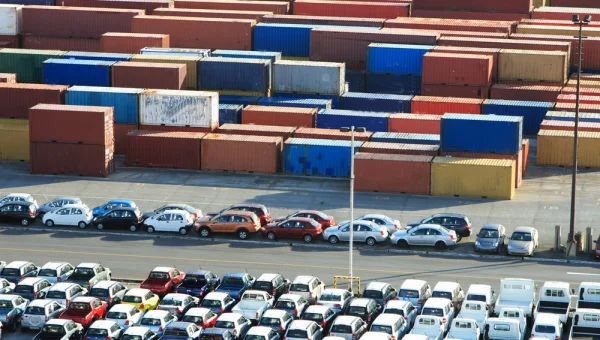
«9+1» Safety Rules Pushed Cars Out of Egypt’s Market Over the Past Decade
Customs expert Dr. Badawi Ibrahim revealed that Egypt’s «9+1» system sets minimum safety specifications for imported cars, including headrests, airbags, doors, exhaust box, environmental device, and chassis. He said these…