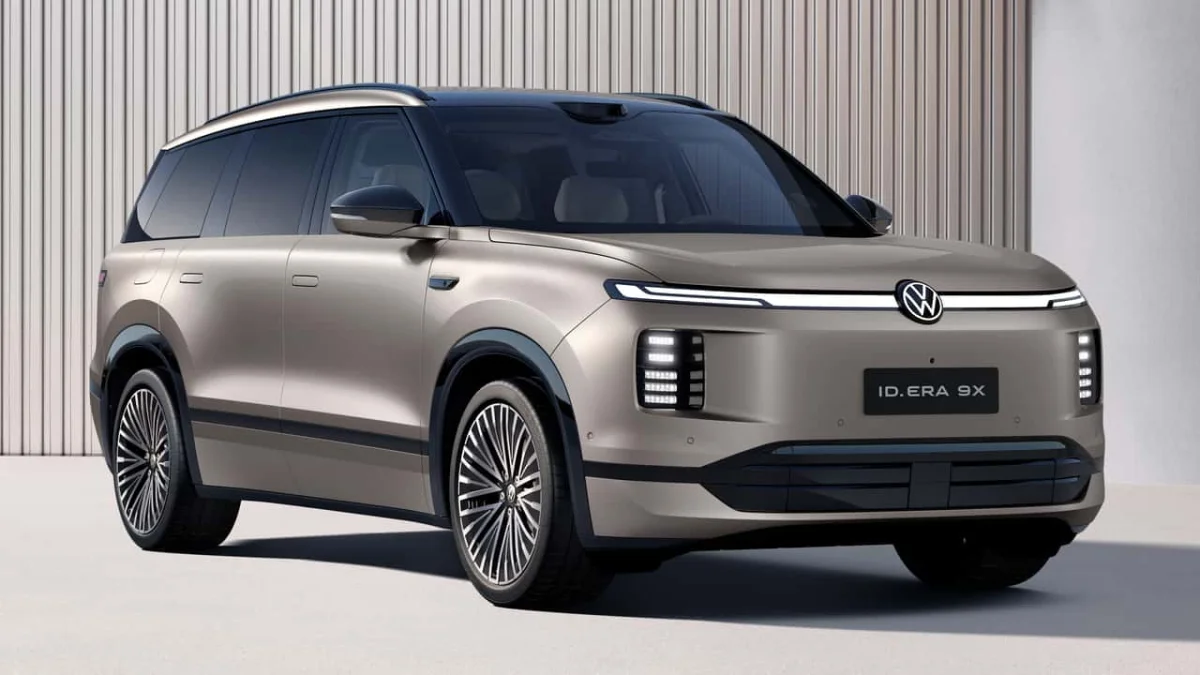
Volkswagen Allocates €16 Billion for Massive Restructuring, Cutting 60,000 Jobs
Volkswagen has announced a €16 billion restructuring plan that includes cutting approximately 60,000 jobs by 2030, with €10 billion allocated for retirement and severance programs and €6 billion for potential production halts at four German factories. The move comes amid fierce Chinese competition, tariffs, and overcapacity pressuring the company in its home market. The fate of the four factories remains undecided, but the overall direction points to a significant reduction in industrial operations and workforce in Germany.
Volkswagen is preparing to spend around €16 billion on the largest restructuring in its history, with plans to cut approximately 60,000 jobs and review the future of four German factories. The figure is staggering. Europe's largest automaker is pouring billions into shrinking itself rather than expanding, as fierce Chinese competition, tariffs, and overcapacity squeeze its profitability.
What Does Volkswagen's Plan Include?
The plan involves allocating up to €10 billion by 2030 to fund the elimination of around 60,000 jobs through retirement programs and severance packages. Another €6 billion may be directed toward managing the potential halt of vehicle production at the four factories under review. Their fate remains undecided. The overall direction is clear: workforce reduction and gradual plant restructuring, plus an additional 50,000 job cuts as part of efforts to improve competitiveness and lower costs.
Mounting Pressure on Europe's Largest Carmaker
The pressure facing Volkswagen in its home market is unprecedented. Rising Chinese competition, tariffs, and overcapacity have forced the company to reconsider the scale of its industrial operations and workforce in Germany. The numbers reveal the scale of the crisis — €16 billion going toward contraction, not expansion. The German market can no longer sustain the same industrial structure.
The Future of Four Factories
Volkswagen is studying alternatives for four German plants, which are expected to gradually stop producing current models over the next decade. No final decision has been made yet. But the trend points to a gradual reduction of certain production lines, as the company attempts to navigate rapid transformations in the auto industry and the shift toward electrification, which demands massive investments and different production structures.
The plan reflects a broader challenge facing the entire European auto industry. Volkswagen, long a symbol of German industrial strength, finds itself forced to make painful decisions to stay competitive in a rapidly changing global market. The future of jobs and factories in Germany is at stake. The company is betting that this move will pay off in the long run.
Frequently Asked Questions
3 questions answered
Related News
View All News
Volkswagen Faces Unprecedented Crisis: Tens of Thousands of Job Cuts and Four German Plants Under Review
Volkswagen is facing an unprecedented crisis with a 16 billion euro restructuring plan that includes cutting tens of thousands of jobs and reviewing the future of four German factories. Group…

Ghabbour: Battery Factory Puts Egypt on Track to Become Regional EV Hub
Eng. Amin Karim Ghabbour announced the signing of a contract to build the BME battery factory in partnership with China's CATL. The first phase targets 1 GWh annual capacity with…

General Egypt to Assemble SWM G03F Locally in Q1 2027
General Egypt, the local distributor for Chinese brand Shineray, has announced plans to begin local assembly of the SWM G03F family car during the first quarter of 2027. The move…
BYD Egypt Offers Free Maintenance for 3 Years in Limited September Deal
Man Dream, BYD's distributor in Egypt, has launched a free maintenance offer covering 3 years or 45,000 km for DMI-equipped models. The deal runs from September 11 to 17, 2026.…
Egypt's Investment Minister Visits MCV Bus Factory in South Africa to Discuss Battery Production and Local Component Expansion
Egyptian Investment Minister Mohamed Farid visited the MCV bus manufacturing plant in Cape Town, South Africa, during the Bloomberg NBEF Academy. The two sides discussed the potential for battery production…