Egypt's Investment Minister Visits MCV Bus Factory in South Africa to Discuss Battery Production and Local Component Expansion
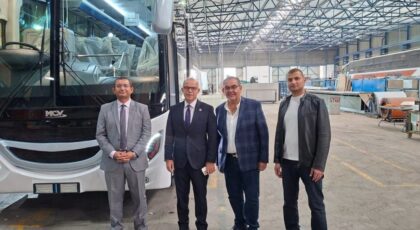
Egyptian Investment Minister Mohamed Farid visited the MCV bus manufacturing plant in Cape Town, South Africa, during the Bloomberg NBEF Academy. The two sides discussed the potential for battery production and increasing Egyptian-made components in MCV buses. Since 2007, MCV has invested around $3.5 million in South Africa and now produces over 6,000 vehicles annually with more than 6,000 employees worldwide.
Egypt's Minister of Investment and Foreign Trade, Mohamed Farid, visited the MCV bus manufacturing plant in Cape Town, South Africa, as part of his participation in the Bloomberg NBEF Academy. The visit aimed to explore investment and expansion opportunities between Egypt and African nations. The numbers speak for themselves.
Details of the Minister's Visit to the MCV Plant
The Minister was accompanied by Medhat Hafez, the company's General Manager, who provided a tour of the production lines and explained the manufacturing stages and the company's activities in the South African market. MCV began its South African operations in 2007 with investments of around $3.5 million—a figure that underscores Egypt's serious push into continental manufacturing. The Minister stressed the importance of building on this experience and studying opportunities to expand bus-related activities.
Battery Production and Increasing Egyptian Components Under Discussion
Both sides explored the possibility of MCV entering battery production to meet the demands of the bus industry and the South African market. They also discussed increasing the proportion of Egyptian-made components in the buses produced, which would strengthen the link between South African production and Egyptian supply chains while boosting exports of feeder industry components to African markets. Could Egypt become a hub for bus battery manufacturing in Africa? The question is gaining traction.
MCV: Over 6,000 Vehicles Annually and 6,000 Employees Worldwide
MCV is one of Egypt's leading bus manufacturers, with operations extending to several international markets. The company employs over 6,000 people globally and produces more than 6,000 vehicles annually from its various plants. These figures position MCV among the top bus manufacturers in the region.
Implications for Egypt's Bus Manufacturing Future
The visit sends more than one message. It reaffirms Egypt's commitment to strengthening its industrial presence in Africa. It opens the door for other companies to explore similar opportunities. MCV's South African experience could serve as a model for Egyptian automotive firms seeking expansion abroad. The African market is vast—competition is fierce, and the stakes are high.
Frequently Asked Questions
3 questions answered
Related News
View All News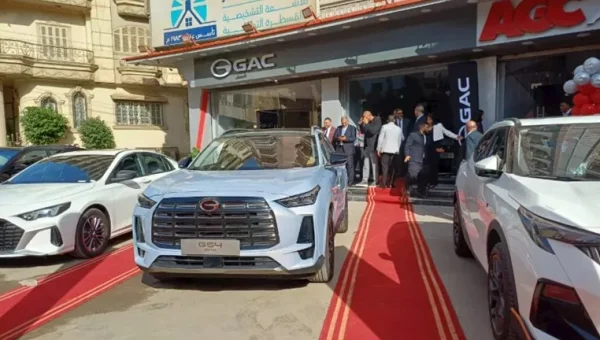
GAC Distributor Opens New Showroom in Sharqia, Reaching 31 Outlets
Jameel Motors, the exclusive distributor of GAC in Egypt, has opened a new showroom in Sharqia Governorate in partnership with AGC Auto, raising the brand's total outlets to 31. The…

General Motors Fires Back at Chinese Rivals: 'We Didn't Come to Watch, We Came to Lead'
Hoorhee Balta, president of General Motors Africa and the Middle East, said the company did not come to the region to watch but to lead, in an interview addressing competition…
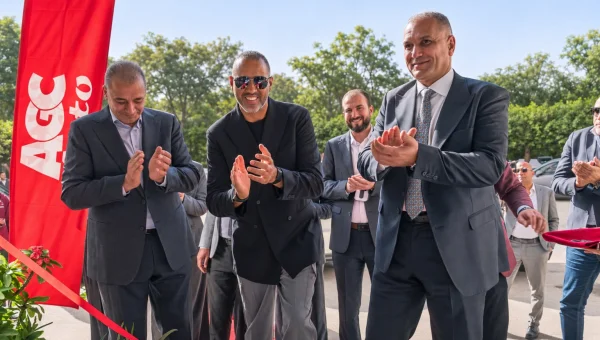
GAC Opens New Showroom in Sharqia, Expands Network to 31 Outlets
GAC has opened a new showroom in Sharqia Governorate in partnership with AGC Auto, raising its total outlets in Egypt to 31. Located in El-Zohour district on El-Modir Street, the…
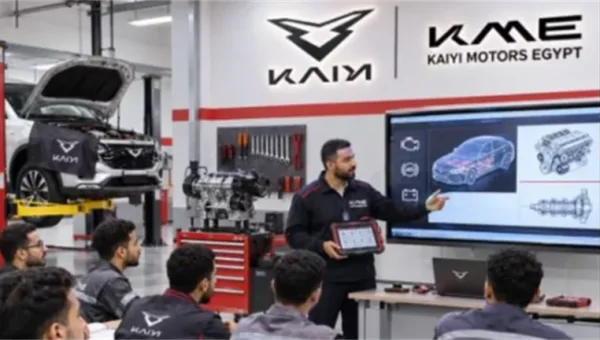
Kaiyi Motors Opens Free Training for Egyptian Auto Technicians in February 2027
Kaiyi Motors Egypt has announced a free training initiative for automotive technicians across Egypt at a specialized center opening in February 2027. The programs cover electronic fault diagnosis, engine and…
Mercedes Halts Investments in Germany, Factory Closures on the Table
Mercedes has stopped all new investments at its German sites and put factory closures on the table, driven by rising labor and production costs and failed negotiations with unions over…