Experts Warn Varta Breakup Could Deal a Major Blow to Germany's Battery Industry
Battery manufacturing expert Dirk Uwe Sauer has warned that the potential breakup of German battery manufacturer Varta, headquartered in the state of Baden-Wurttemberg, could create significant challenges for the country's entire battery industry. According to Sauer, the consequences would extend beyond a single company, affecting Germany's broader battery manufacturing sector at a time when Europe faces growing competition in energy storage technologies and advanced battery production for multiple industries, including the automotive sector.
Concerns Over the Future of Battery Manufacturing
Sauer, a professor at Aachen University who holds the Chair of Electrochemical Energy Conversion and Storage System Technology, described a possible breakup of Varta as another major setback for Germany's battery industry. He noted that Germany has only a limited number of companies comparable to Varta, particularly businesses with a long-established history. He emphasized that the automotive industry does not rely on small startups alone but instead requires manufacturers capable of delivering consistent quality, proven reliability, and production volumes that meet industry demand.
Innovation Funding Under Pressure
Sauer also questioned how future innovation would be financed if the company's most profitable business were separated as part of the restructuring process. He argued that maintaining investment in new battery technologies depends on sustainable financial resources, raising concerns about the long-term ability to support research and development if key revenue-generating operations are removed.
A group of creditors, including Deutsche Bank and investment funds RBC BlueBay, Blantyre, and Whitebox, recently announced plans to separate Varta's home battery business, citing the company's difficult financial situation. Varta subsequently confirmed that it had applied to begin provisional insolvency proceedings while remaining under self-administration. The company stated that the objective is to secure its long-term economic future and ensure sustainable business continuity, while also confirming that its home battery division is not included in the insolvency filing.
Global Competition and Next-Generation Battery Technology
Sauer said that Varta's technological capabilities remain very strong but stressed that market competition ultimately comes down to pricing. He explained that Germany's battery industry lacks large-scale production capacity, while China combines massive manufacturing capability with intense price competition. According to Sauer, this dependence on China has been recognized for a long time as a major structural challenge. He also highlighted that Varta is developing sodium-ion batteries, which are considered one of the promising technologies for the future. Sauer said sodium-ion batteries offer Europe a genuine opportunity to reduce its dependence on China because the required raw materials are easier to obtain through global markets. He concluded by emphasizing that abandoning European battery manufacturers is not an acceptable option from his perspective.
Related News
View All News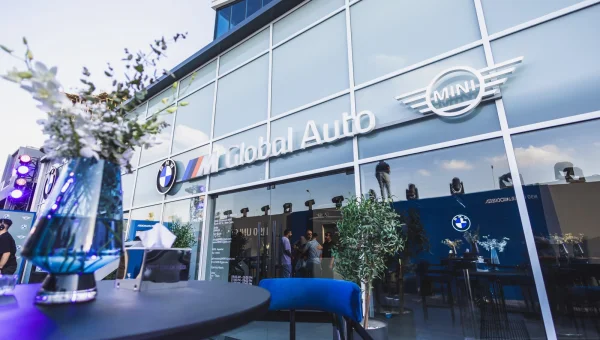
Global Auto Opens New BMW and MINI Showroom in New Cairo
Global Auto Group has opened a new showroom for BMW and MINI in the Fifth Settlement of New Cairo. The 1,000-square-meter facility holds eight cars and brings the two brands…
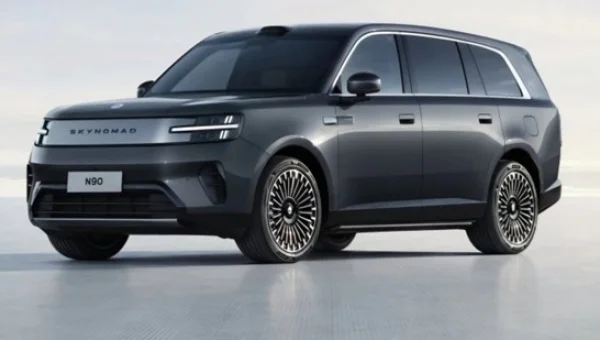
10,000 Orders in 4 Minutes: How Sky Nomad Became Xiaomi's Last Hope for 550,000 Units
Xiaomi recorded over 10,000 confirmed orders for its Sky Nomad series within four minutes of launch. The new models, marking the company's first entry into the extended-range EV segment, pushed…
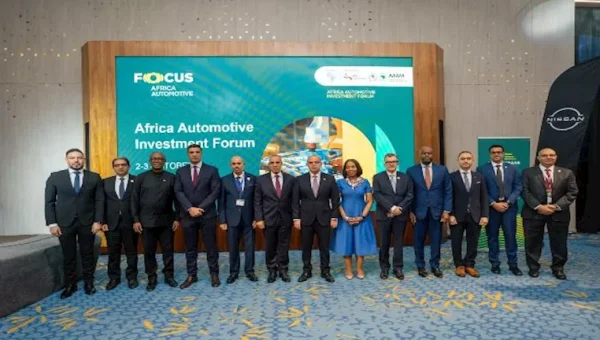
African Automakers Association President Urges Faster Implementation of Free Trade Agreement with 40% Rules of Origin
Tarek Moussa, President of the African Association of Automotive Manufacturers (AAAM), has urged governments and the private sector to accelerate the implementation of the African Continental Free Trade Area agreement…
Egypt Localizes Auto Parts: Al-Araby and Malben JV Targets 60% Local Content
Al-Araby Group signed a joint venture with South Africa's Malben Engineering to manufacture automotive components in Egypt. The deal aims to raise local content in passenger cars from 45% to…

Social Media 'Court' Haunts Car Companies and Dealerships in Egypt
Social media platforms have become an arena for holding car companies and dealerships in Egypt accountable, with some customers posting accusations of wasted rights or fraud. Journalist Hisham El-Ziny said…