Tesla's Billions Bet on AI Squeezes Q2 Profits Despite Record Deliveries
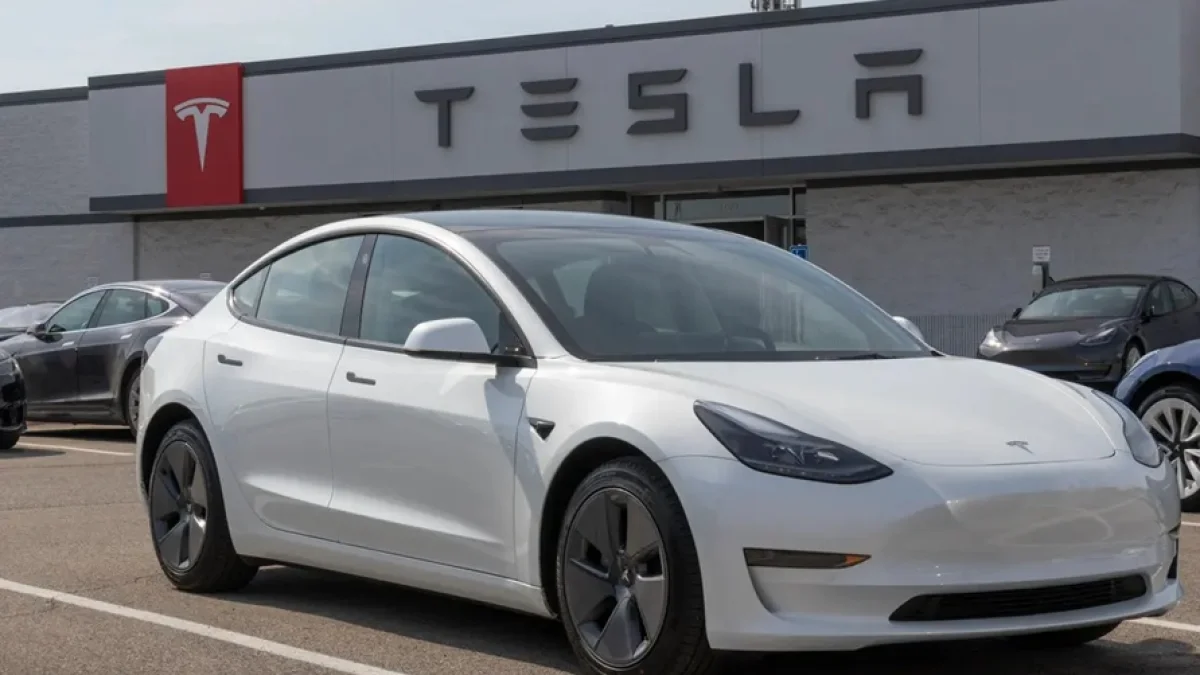
Tesla reported mixed financial results for the second quarter of 2026, exceeding revenue expectations on the back of a sharp increase in vehicle deliveries, but falling short on profitability. The electric vehicle giant's earnings were pressured by surging spending on artificial intelligence and robotics, alongside declining margins in its core automotive business.
Earnings Miss Drags Stock Lower
The company posted adjusted earnings of 33 cents per share, significantly below the analyst consensus of around 51 cents. This earnings miss triggered a more than 4% decline in Tesla's stock price during after-hours trading. Despite the profit shortfall, Tesla achieved record quarterly revenue of $28.24 billion, representing a 26% year-over-year increase, fueled by robust electric vehicle sales and strong growth in its energy storage segment.
Net income for the quarter stood at approximately $1.11 billion, down 5% compared to the same period last year. The decline in profitability was attributed to rising operating expenses, lower average selling prices for vehicles, and a sharp drop in revenue from regulatory credit sales, which fell to just $146 million. Operating profit also contracted more significantly due to these combined pressures.
Record Deliveries, Thinner Margins
Tesla delivered around 480,100 vehicles during the second quarter, setting a new record for the period and marking a roughly 25% increase year-over-year. This performance was driven by recovering demand in European markets and improved sales across several key regions. However, the surge in delivery volume did not fully translate into higher profits, as the company resorted to substantial price cuts and marketing incentives to maintain momentum. These measures compressed the average transaction price per vehicle and squeezed profit margins. Additionally, revenue from the sale of regulatory credits, a historically lucrative income stream, declined significantly compared to higher levels seen in the previous year.
Massive AI and R&D Investment
Tesla increased its research and development spending by 49% year-over-year to approximately $2.37 billion. These investments are being channeled into advanced autonomous driving technologies, artificial intelligence systems, the Optimus humanoid robot, and the Cybercab autonomous taxi. Capital expenditure during the quarter also surged to $5.8 billion, resulting in negative free cash flow of about $1.1 billion—the first time in two years. The company has outlined plans to invest over $25 billion throughout the entire year of 2026.
The automaker is betting heavily that this massive spending will transform its identity from a pure electric vehicle manufacturer into a broader technology conglomerate operating in AI, robotics, and energy. However, the immediate pressure on quarterly profits raises questions about the short-term viability of this ambitious strategy and whether investors will remain patient as they wait for the expected future returns from these technological bets.
Related News
View All News
BYD Under US Pressure: The Listing That Threatens Its American Expansion
The US Department of Defense has added China's BYD to a list of companies allegedly linked to the Chinese military, a move that imposes no immediate sanctions but heightens geopolitical…
100,000 Orders in One Year: BMW iX3 Forces Debrecen Plant Into Three Shifts
BMW has received more than 100,000 orders for its iX3 electric SUV in Europe during its first year. The surge pushed the Debrecen plant in Hungary from one shift to…
Egypt and South Africa Discuss Boosting Cooperation in Automotive and Components Industry
Egypt's Minister of Industry met with South Africa's Minister of Trade, Industry and Competition to discuss boosting cooperation in the automotive and components sector, building on the African Automotive Investment…
Ahmed Khaled Appointed General Manager of Al-Rayes Automotive
Al-Rayes Automotive has appointed Ahmed Khaled as General Manager. Khaled brings 14 years of automotive experience, having started his career at Kia and held several managerial and technical roles, most…
Ezz Elarab Hosts Exclusive Driving Experience for Lynk & Co 03 in Egypt
Ezz Elarab Group, Lynk & Co's distributor in Egypt, organized 'A Day with the 03' to test the Lynk & Co 03 on a racetrack in Ain Sokhna. Media professionals…