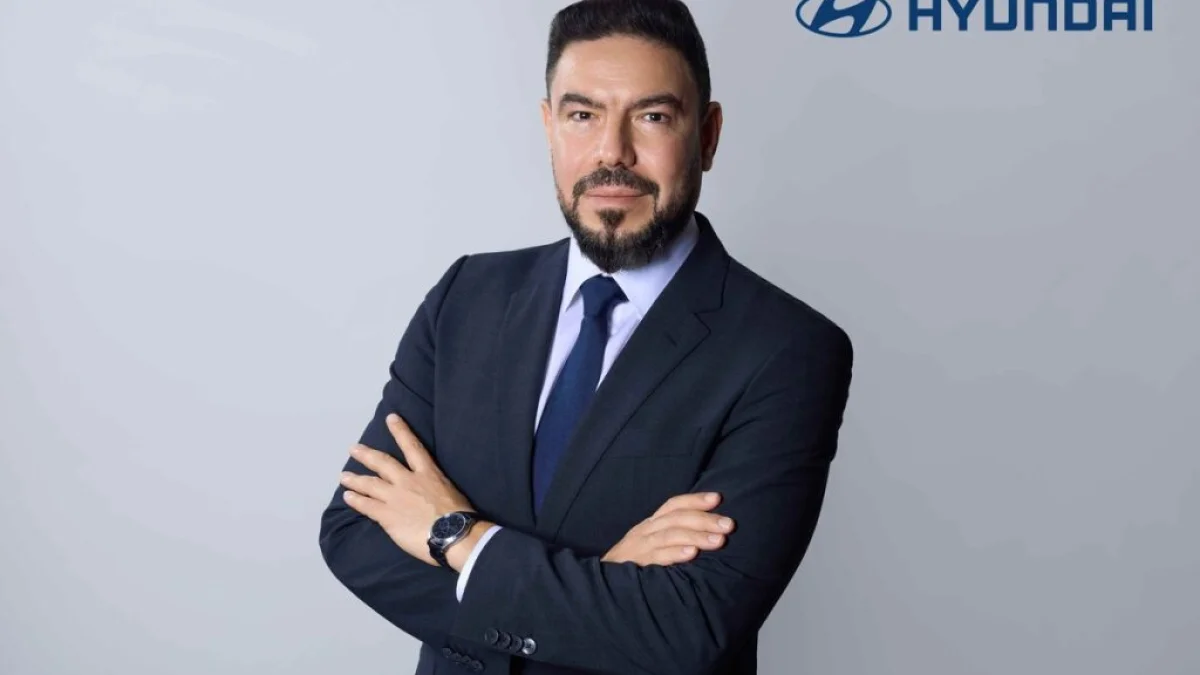
Tarek Massoud Becomes First Egyptian to Lead African Automobile Manufacturers Association
The African Association of Automobile Manufacturers (AAAM) has elected Tarek Massoud as its president, making him the first Egyptian and Arab to hold the position. Massoud, CEO of Hyundai Motor Middle East and Africa, brings over two decades of automotive industry experience. His plan focuses on policy coherence, developing African suppliers, and removing trade barriers between markets. The ultimate goal is to transform Africa's automotive industry into an integrated ecosystem capable of attracting global investment.
The African Association of Automobile Manufacturers (AAAM) has elected Tarek Massoud as its new president, marking a historic milestone. Massoud currently serves as President and CEO of Hyundai Motor Middle East and Africa, making him the first Egyptian and Arab to hold this prestigious position.
A Distinguished Leadership Journey
Massoud brings over two decades of international leadership experience in the automotive industry to his new role. In January 2026, he became the first Arab executive to lead Hyundai Motor's regional headquarters in the Middle East and Africa, overseeing operations across both regions including markets where Hyundai has expanded its industrial and manufacturing footprint. Twenty years of experience now shape the continent's automotive agenda — a significant shift.
Africa's Integration Era Begins
Massoud assumes the role at a critical time when Africa's automotive sector is finally beginning to integrate. The African Continental Free Trade Area, alongside existing national automotive policies in key markets, is creating conditions for individual manufacturing hubs to operate as a unified continental market. This is something the African automotive industry has lacked until now. Can the continent finally unite its efforts?
Massoud believes integration is the only way forward. "No single market can realize Africa's full potential in the automotive sector on its own — we need an interconnected ecosystem where countries contribute according to their strengths," he said. This includes vehicle assembly, component manufacturing, raw material availability, technology, and skills. Such integration creates the scale needed to attract investment and transfer value to the continent.
Three Strategic Priorities
Massoud has identified three key focus areas for his presidency. The first is policy coherence: working with governments to establish long-term, predictable frameworks for the automotive sector, giving manufacturers the confidence to commit capital. Hyundai understands the importance of regulatory stability in markets like Egypt.
Second is developing the component base by building African suppliers — this determines how much value stays within the continent, how many specialized jobs are created, and how competitive African-made vehicles become. The third priority focuses on regional integration by removing barriers that prevent vehicles, spare parts, skills, and investments from moving between African markets.
The stakes are high for this strategy. If integration succeeds, Africa will transform from a consuming market into an industrial powerhouse capable of global competition. With new Arab leadership at the association, the path toward this goal appears clearer than ever. Africa's automotive industry stands at a genuine crossroads. The decisions ahead will shape its character for decades to come.
Frequently Asked Questions
3 questions answered
Related News
View All News
Kayan Egypt Targets 20,000 Cumulative Cupra Sales and EGP 500 Million Investment
Kayan Egypt, the distributor for Cupra and Seat in Egypt, has set a target of 20,000 cumulative Cupra sales and EGP 500 million in investments over the next two years.…
Cupra Surpasses 8,000 Sales in Egypt and Launches the All-Electric Tavascan
Kayan Egypt, Cupra's local distributor, announced that the brand has surpassed 8,000 vehicles sold since launching operations in Egypt in 2023. The milestone was revealed alongside the official launch of…
Hyundai to Allocate 20% of Its $15.5 Billion India Investment to New Ventures Including AI
Hyundai Motor Group announced a $15.5 billion investment in India over seven years, with 20% allocated to new ventures in AI and startups. The company plans to launch 20 internal…
Geely Breaks Into North America via Canada, First Cars Arrive in 2027
Geely Auto has officially announced its entry into the Canadian market, with first vehicle sales set for 2027, leveraging an annual quota of 49,000 Chinese-made electric vehicles at a 6.1%…
BYD Shifts from Exporter to Manufacturer in Europe: 40,000 Employees and New Plants by 2030
BYD aims to increase its European workforce to over 40,000 employees by 2030, up from 10,000 currently. The company is preparing to start mass production at its first European plant…