
Nissan Egypt Boosts Annual Production Capacity by 10,000 Units, Expands Solar Energy Use
Nissan Egypt has announced ambitious plans to increase its annual production capacity by 10,000 vehicles, coinciding with the celebration of 20 years of local manufacturing and the production of 350,000 cars since the plant's inception. This expansion is part of reinforcing Egypt's role as a regional hub for vehicle manufacturing in Africa.
Solar Power Now Covers 65% of Plant Energy Needs
Mohamed Abdel Samad, Managing Director of Nissan Africa, revealed that the company is moving fully toward sustainability by currently relying on solar energy to generate about 65% of the plant's energy requirements. He confirmed that the goal is to reach 100% by 2030, alongside implementing advanced solutions for water treatment and reuse to enhance resource efficiency and shift toward eco-friendly manufacturing.
New Production Line and 55% Local Content
Massimiliano Max Messina, Head of Nissan Africa, Middle East, India, Europe, and Oceania, stated that this event represents not only the launch of a new car but also Egypt's role in manufacturing as a regional center for vehicle production. He expressed his delight that the best-selling car in Egypt carries the Nissan badge. He noted that with the addition of the new production line, the company is increasing production capacity by 10,000 units annually. He also clarified that the value of locally added components in Nissan cars has reached 55%, following the Japanese Kaizen philosophy of continuous improvement.
Magnite Leads Its Segment in Africa
The Nissan Magnite production line has received new technologies applied for the first time at the company's plant, including two-tone paint and the use of high-tech robots. Nissan aims through the Magnite model to grow export sales to the African continent, as it leads its segment in markets such as South Africa, Morocco, and Tunisia.
Related News
View All News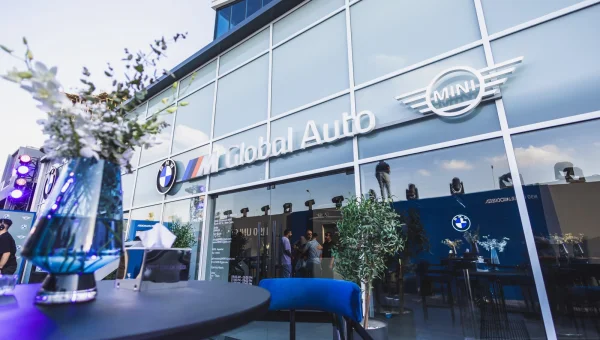
Global Auto Opens New BMW and MINI Showroom in New Cairo
Global Auto Group has opened a new showroom for BMW and MINI in the Fifth Settlement of New Cairo. The 1,000-square-meter facility holds eight cars and brings the two brands…
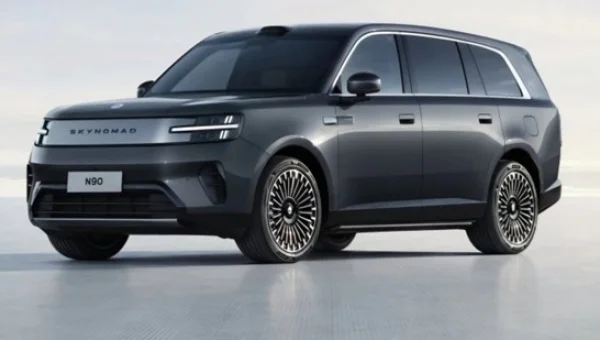
10,000 Orders in 4 Minutes: How Sky Nomad Became Xiaomi's Last Hope for 550,000 Units
Xiaomi recorded over 10,000 confirmed orders for its Sky Nomad series within four minutes of launch. The new models, marking the company's first entry into the extended-range EV segment, pushed…
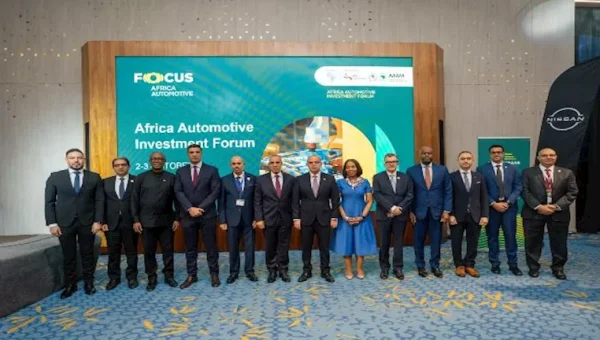
African Automakers Association President Urges Faster Implementation of Free Trade Agreement with 40% Rules of Origin
Tarek Moussa, President of the African Association of Automotive Manufacturers (AAAM), has urged governments and the private sector to accelerate the implementation of the African Continental Free Trade Area agreement…
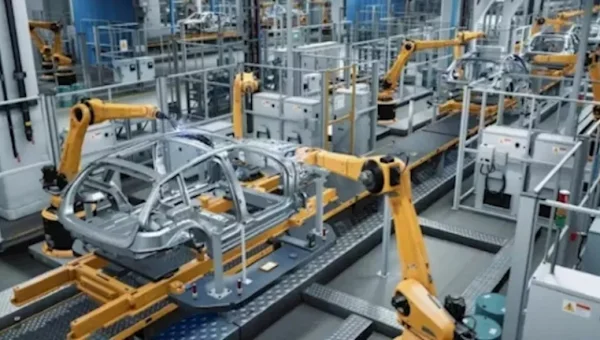
Egypt Localizes Auto Parts: Al-Araby and Malben JV Targets 60% Local Content
Al-Araby Group signed a joint venture with South Africa's Malben Engineering to manufacture automotive components in Egypt. The deal aims to raise local content in passenger cars from 45% to…

Social Media 'Court' Haunts Car Companies and Dealerships in Egypt
Social media platforms have become an arena for holding car companies and dealerships in Egypt accountable, with some customers posting accusations of wasted rights or fraud. Journalist Hisham El-Ziny said…