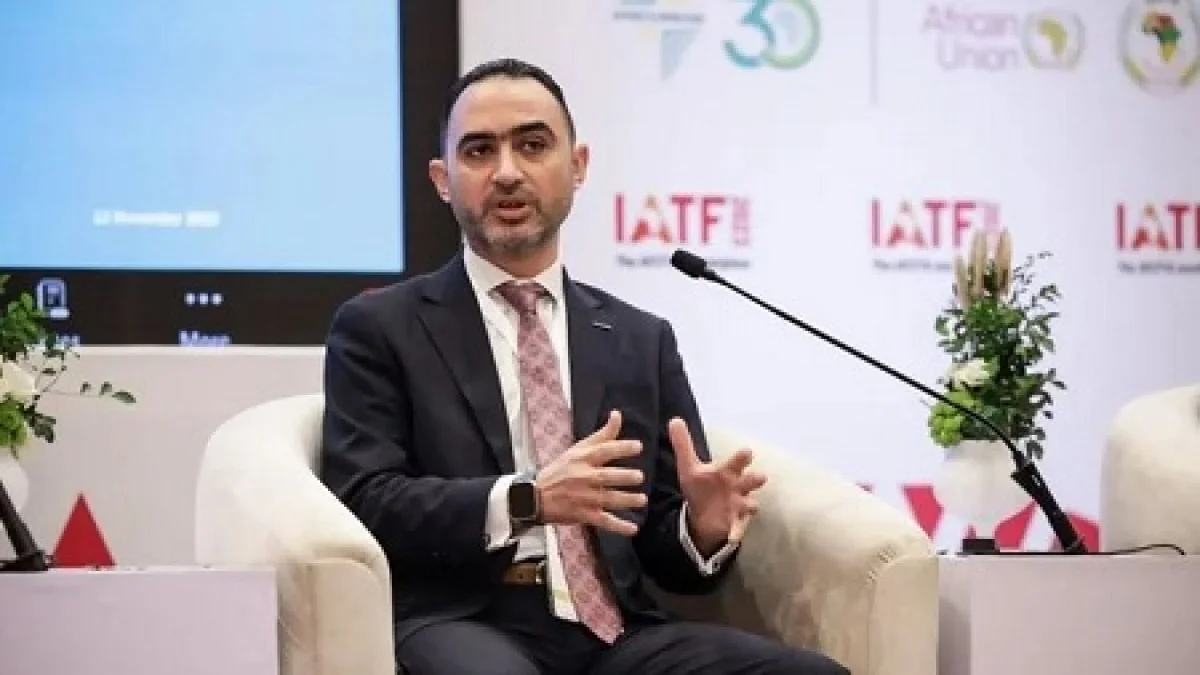
Nissan Egypt Chief Reveals Reasons Behind Local Magnite Production
The decision was no accident. Engineer Mohamed Abdel Samad, Chairman and Managing Director of Nissan Egypt and Africa, has revealed the real reasons behind choosing the Magnite for local production, stressing that the move came after a thorough study of customer needs and market trends in Egypt.
Market Research Before Production
In an interview with 'Arabity' program on Radio Masr, Abdel Samad explained that the company relied on a comprehensive analysis of global design and technology trends before approving any new model for production. Nissan also holds discussion sessions with specialists and clients to identify the exact specifications buyers seek, whether in styling, features, or the level of technology offered.
The Magnite has become one of the most sought-after cars in both the Egyptian and African markets, which pushed the company to rely on its local plant for manufacturing instead of importing. Selecting the model for the Egyptian factory came after close monitoring of consumer reactions since its initial launch.
Specs That Won Immediate Popularity
The chairman confirmed that the Magnite successfully blends modern styling, advanced technology, and practical equipment, which earned it strong traction right after its market debut. The difference is clear.
He added that the model's success reflects the company's understanding of evolving customer preferences in Egypt, where buyers want a practical car at a fair price without compromising on features. The experience proved that local assembly provides a real competitive edge in meeting growing demand, and it signals a shift in how Nissan approaches the Egyptian market.
Related News
View All News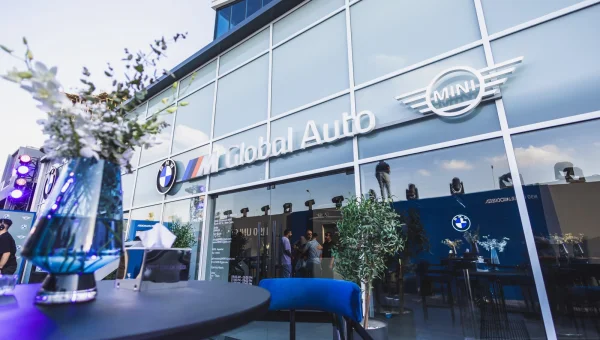
Global Auto Opens New BMW and MINI Showroom in New Cairo
Global Auto Group has opened a new showroom for BMW and MINI in the Fifth Settlement of New Cairo. The 1,000-square-meter facility holds eight cars and brings the two brands…
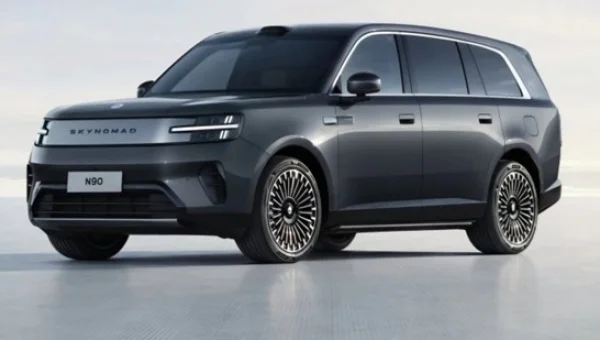
10,000 Orders in 4 Minutes: How Sky Nomad Became Xiaomi's Last Hope for 550,000 Units
Xiaomi recorded over 10,000 confirmed orders for its Sky Nomad series within four minutes of launch. The new models, marking the company's first entry into the extended-range EV segment, pushed…
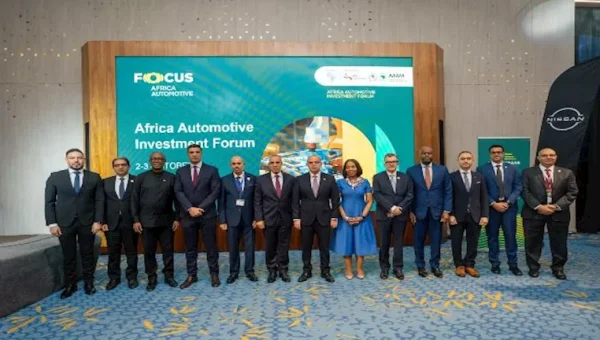
African Automakers Association President Urges Faster Implementation of Free Trade Agreement with 40% Rules of Origin
Tarek Moussa, President of the African Association of Automotive Manufacturers (AAAM), has urged governments and the private sector to accelerate the implementation of the African Continental Free Trade Area agreement…
Egypt Localizes Auto Parts: Al-Araby and Malben JV Targets 60% Local Content
Al-Araby Group signed a joint venture with South Africa's Malben Engineering to manufacture automotive components in Egypt. The deal aims to raise local content in passenger cars from 45% to…

Social Media 'Court' Haunts Car Companies and Dealerships in Egypt
Social media platforms have become an arena for holding car companies and dealerships in Egypt accountable, with some customers posting accusations of wasted rights or fraud. Journalist Hisham El-Ziny said…