Mercedes Chairman Calls for Longer Working Hours in Germany, Warns of Rising Costs
Martin Brudermüller, Chairman of the Supervisory Board at German automaker Mercedes-Benz, has called for a serious discussion on restructuring labor costs in Germany, arguing that a return to a 40-hour work week is essential to maintain the country's industrial competitiveness. In an interview with the German business daily Handelsblatt, Brudermüller emphasized the urgency of the situation, stating: "We should seriously strive to return to a 40-hour work week."
Competitive Pressure on German Automotive Industry
The comments come at a time when the German automotive industry faces mounting competitive pressure, particularly from Asian rivals. The current 35-hour work week is standard in companies bound by collective bargaining agreements in the sector, including Mercedes-Benz, although it is not mandated by law. Brudermüller warned that labor costs in Germany have become excessively high by international standards, adding: "We no longer enjoy productivity advantages over our main competitors."
Only Two Options Available
The former CEO of German chemical giant BASF outlined the stark choices facing the industry: "Either wages must be cut, or people must work longer hours for the same pay." Brudermüller dismissed wage cuts as unrealistic, leaving increased working hours as the only viable path forward. A new round of collective bargaining negotiations is scheduled to begin later this year in the metal and electrical industries, which include automotive manufacturing, setting the stage for heated discussions.
Extending the Retirement Age
Brudermüller also addressed the issue of retirement age, arguing that economic logic demands an extension of working years given Germany's aging population. He stressed that the German system "cannot be financed without a longer working life," and added that continued employment later in life also contributes to maintaining health and vitality. "Work also gives people structure in their lives, social participation, and meaning," he concluded.
Related News
View All News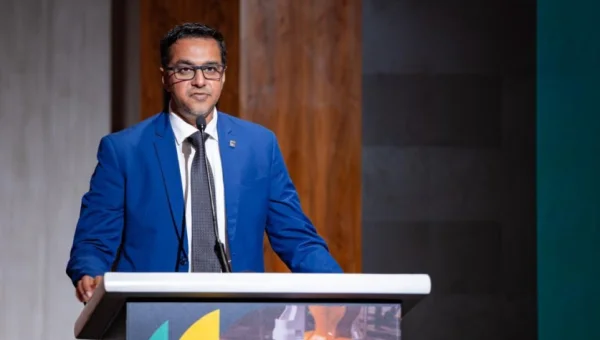
General Motors: Egypt Leads Africa's Auto Manufacturing Revolution, One Million Cars Is Just the Start
Rohan Fernandez, chairman and managing director of General Motors Egypt and Africa, said Egypt has the manufacturing base to lead the continent's automotive industry. He spoke at the African Automotive…
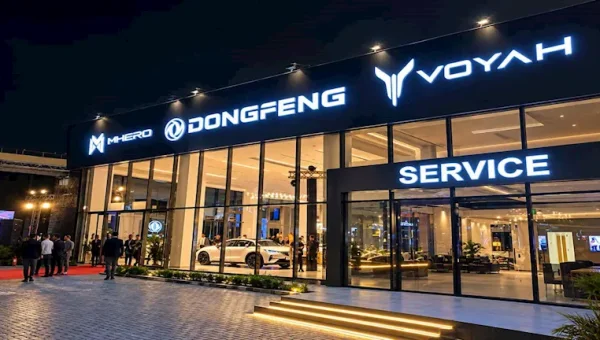
SN Automotive Prepares Price Hike for Dongfeng, VOYAH, and M-HERO in Egypt
SN Automotive is preparing to raise prices on Dongfeng, VOYAH, and M-HERO vehicles in Egypt within the coming days. The hike follows a period of price stability since the three…

Afreximbank Allocates $1 Billion from El Alamein to Deepen Africa's Auto Industry
Afreximbank announced a $1 billion fund dedicated to Africa's automotive industry at the African Automotive Investment Forum in El Alamein. The bank has disbursed $233 million so far and identified…

Afreximbank Targets $1 Billion Investment to Boost Africa's Automotive Industry
Afreximbank has committed a $1 billion fund to support Africa's automotive industry and has already disbursed $233 million. It also identified 10 investment opportunities worth $125 million in auto components…

Chery Group Sells 292,308 Vehicles in September, Up 4.2% with Exports Surging 51%
Chery Group reported September sales of 292,308 vehicles, up 4.2% year-on-year, with exports reaching 207,814 units (+51%). NEV sales hit 133,310 units, up 45.6%, surpassing 100,000 for the sixth straight…