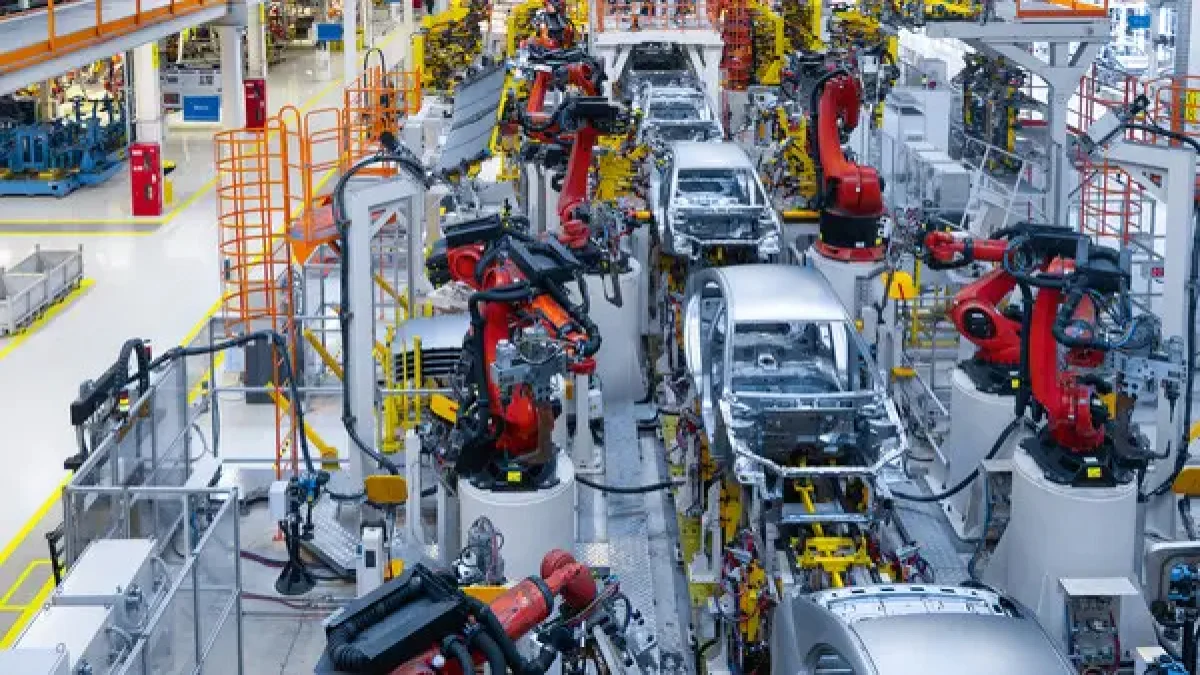
Industrial Plan Targets 100,000 Cars Annually Through Stronger Egypt–South Africa Cooperation
Minister Khaled Hisham outlined a new plan aimed at attracting automotive components manufacturers to local production, as part of a broader strategy to deepen industrial localization and strengthen the automotive supply chain. The plan is aligned with efforts to enhance industrial cooperation with South Africa, supporting a national target of reaching 100,000 vehicles annually by 2030. The initiative reflects a wider vision to boost Africa’s manufacturing capabilities and improve competitiveness across the automotive sector.
Strengthening Industrial Cooperation Between Egypt and South Africa
The announcement came during a meeting between the Minister of Industry and South Africa’s Minister of Trade, Industry and Competition, Mabu Parks Tao, attended by senior officials from both sides, including the South African Ambassador in Cairo Ntsiki Mashimbye and Egypt’s Assistant Minister for International Cooperation Ahmed Maghawry, along with several representatives from the Ministry of Industry. The discussions focused on expanding economic relations and strengthening joint industrial cooperation.
The talks covered several key sectors with strong potential for collaboration, most notably the automotive industry and its component manufacturing ecosystem. The agenda also included pharmaceuticals, such as medicines, medical supplies, and equipment, in addition to exploring cooperation in establishing logistics zones that could facilitate trade and investment flows between both countries and enhance supply chain efficiency across the continent.
Automotive Sector and Component Manufacturing Growth
The Minister emphasized that economic relations between Egypt and South Africa are already strong, noting that the next phase aims to move beyond traditional cooperation toward full industrial integration. This approach is expected to enhance competitiveness, optimize resource utilization, and support manufacturing development across Africa while strengthening its position in global value chains.
He added that the ministry is actively working to attract automotive components manufacturers to invest locally, leveraging incentives offered under the national automotive development program, which targets 100,000 vehicles annually by 2030, alongside ongoing negotiations with global pharmaceutical companies to localize active ingredient production and transfer technology.
Investment Expansion and Technology Localization
He also noted that the formation of a joint Egyptian-South African business council represents a key step in strengthening private sector engagement and accelerating joint ventures between investors in both countries. A joint committee is also being considered to monitor project implementation and address any challenges that may arise during execution.
Related News
View All News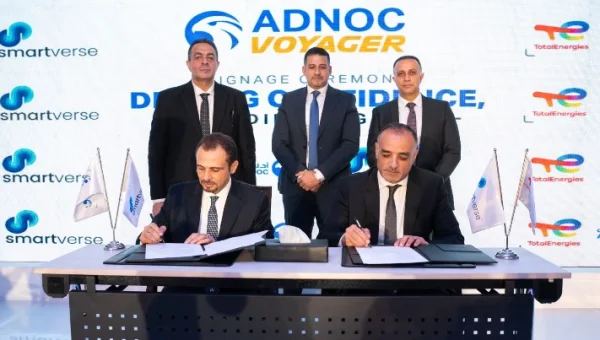
TotalEnergies ADNOC Signs 5-Year Distribution Deal with Smartverse for ADNOC Voyager Lubricants in Egypt
TotalEnergies ADNOC Marketing has signed a strategic 5-year distribution agreement with Smartverse Group to expand the reach of ADNOC Voyager lubricants in the Egyptian market. The deal focuses on developing…

Geely Egypt Offers 3 Essential Winter Prep Tips for Your Car
Auto Mobility, Geely's distributor in Egypt, has released three winter car care tips for owners. The advice covers checking tire pressure and tread condition, regular battery inspection with clean terminals,…

Al-Mansour: German Cars Beat Chinese Rivals When Prices Converge
Eng. Medhat Awad, Managing Director of Mansco Automotive and Head of Opel at Al-Mansour Group, said Egyptian buyers still strongly trust German and European cars for their reliability and long…

Medhat Awad: Employee Security at Mansour Group Is Part of the 'You Are in Safe Hands' Promise to Opel Customers
Medhat Awad, Managing Director of Mansco Automotive and Head of Opel at Mansour Group, confirmed that the slogan 'You Are in Safe Hands' reflects the group's commitment to both employees…

Opel Egypt to Publish Maintenance Cost Comparison Tables to End Spare Parts Price Myth
Medhat Awad, head of Opel at Mansour Group, has announced plans to publish maintenance cost comparison tables soon to counter the widespread impression that Opel spare parts are more expensive…