
GM Commits $4.5 Billion to Shield Production from Supply Chain Disruptions
$4.5 billion. That's the figure behind General Motors' latest move to keep its assembly lines running. The American giant is tackling an industry-wide vulnerability exposed repeatedly over recent years by natural disasters, cyberattacks, and rising trade tensions.
GM signed a strategic agreement with Procura Auto Parts, a firm specializing in securing critical and rare components. The mechanism itself is straightforward: Procura purchases inventory from select suppliers and finances it upfront. Suppliers hold that stock until GM actually needs it — payment only happens after components move into production, with a final deadline set for July 31, 2029.
Bank-Led Financing with Clear Terms
Funding flows through credit facilities arranged by a group of banks, led by JPMorgan Chase and Banco Santander. The money pays designated suppliers early on behalf of General Motors. That in turn issues irrevocable payment commitments. Suppliers get their guarantees; the automaker secures access to critical parts without fronting the full inventory cost.
The cost structure reveals careful planning. GM settles the parts themselves, plus interest and related fees, only upon usage. Annual fees apply to unused portions of the facility, while Procura earns 1.55% annually above the secured overnight financing rate (SOFR), according to the disclosures.
What's Actually at Stake
Which components does the deal target? GM hasn't said. Industry context fills in the blanks: semiconductors, dynamic random-access memory (DRAM), and rare earth metals have all triggered production halts worldwide. The pandemic years taught automakers a brutal lesson — just-in-time delivery carries real risk.
This arrangement gives General Motors remarkable financial flexibility while securing future supply. The whole sector is watching closely. Will this become the template for an industry scarred by repeated supply shocks? The numbers suggest GM has no intention of repeating past mistakes.
Related News
View All News
Mansco Automotive Celebrates 60 Years of Peugeot in Egypt, Expands Distribution and After-Sales Network
Peugeot is celebrating 60 years in the Egyptian market, and Mansco Automotive, the exclusive distributor, is using the occasion to reaffirm its expansion plans. The network currently includes more than…

Qasrawi Group Appoints Ahmed Wafik as Managing Director of Citroën Egypt
Qasrawi Group, the exclusive distributor of Citroën in Egypt, has appointed Ahmed Wafik as Managing Director of the brand. Wafik brings over 25 years of automotive experience, having previously served…
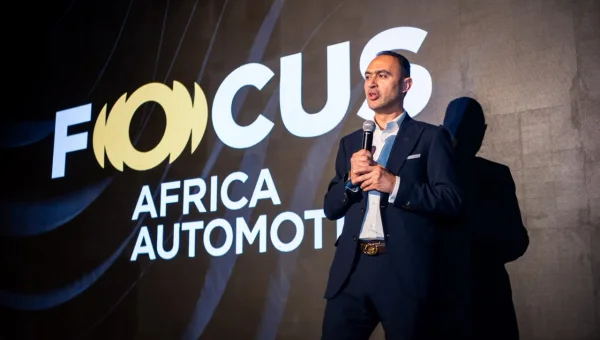
Nissan: Egypt Is Our Manufacturing Base for Africa as Magnite Hits 55% Local Content
Nissan has confirmed that Egypt serves as a regional manufacturing base for exporting the Magnite to Africa, with local production starting in June 2026 and local content reaching 55%. Mohamed…
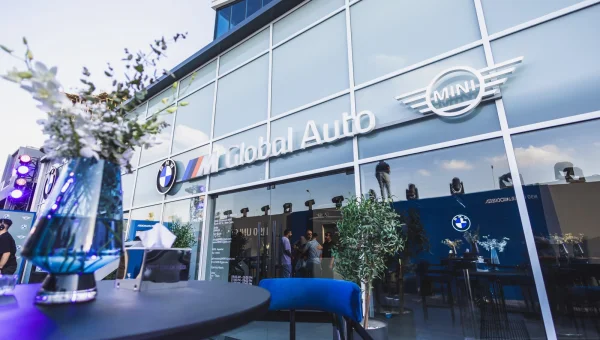
Global Auto Opens New BMW and MINI Showroom in New Cairo
Global Auto Group has opened a new showroom for BMW and MINI in the Fifth Settlement of New Cairo. The 1,000-square-meter facility holds eight cars and brings the two brands…

10,000 Orders in 4 Minutes: How Sky Nomad Became Xiaomi's Last Hope for 550,000 Units
Xiaomi recorded over 10,000 confirmed orders for its Sky Nomad series within four minutes of launch. The new models, marking the company's first entry into the extended-range EV segment, pushed…