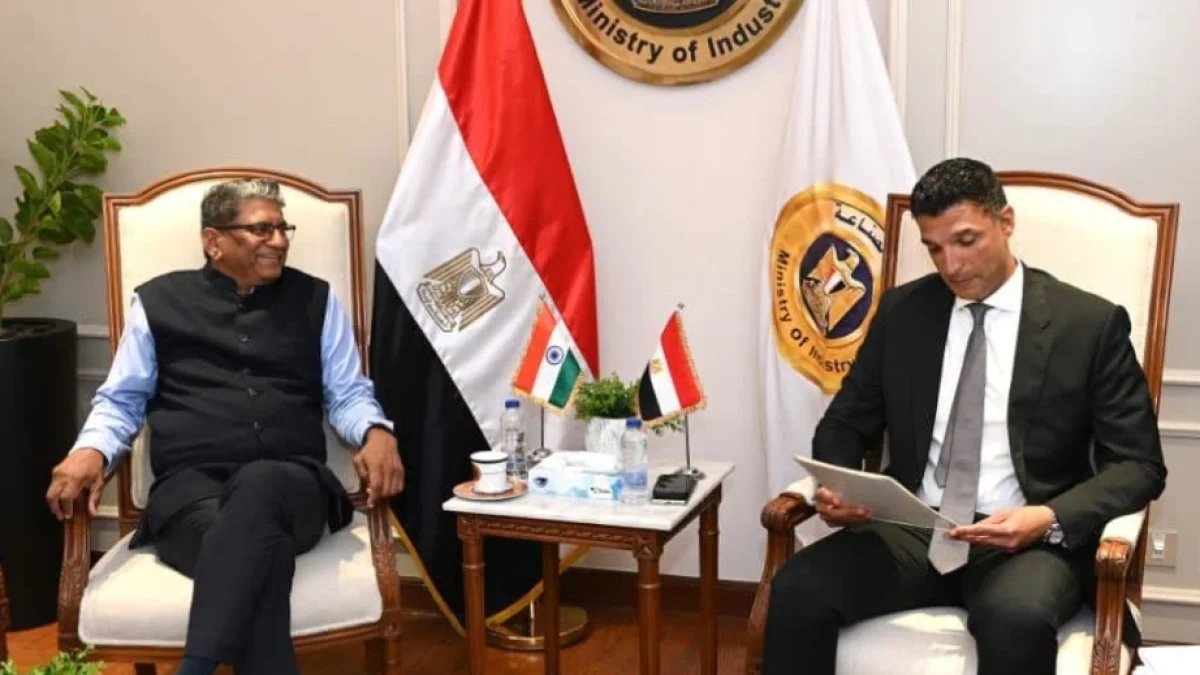
Egypt and India Explore Automotive Manufacturing Cooperation
A new chapter in bilateral industrial relations. Egypt's Ministry of Industry held high-level talks with the Indian ambassador, focusing on several strategic sectors — automotive being a key priority. Minister Khaled Hashem met with Ambassador Suresh K. Reddy in Cairo.
Beyond Cars
The discussions covered more than just vehicles. Electronics and renewable energy were also on the table, reflecting a broader vision for industrial alliances. Ties between Cairo and New Delhi have strengthened considerably in recent years. Indian companies already have a visible presence across multiple sectors in Egypt.
Hashem delivered a clear message. Egypt welcomes more Indian firms — large and medium-sized — to benefit from their accumulated technological expertise. The goal is clear: upgrade local workforce capabilities and achieve genuine industrial integration.
Why Egypt?
The Egyptian market offers more than consumer demand. Hashem pointed to competitive advantages: a strategic geographic location bridging continents, trade agreements enabling exports worldwide, trained technical labor. Substantial government investment incentives. Indian companies are invited to use Egypt as a manufacturing and export hub for neighboring countries and the entire African continent.
The minister emphasized a key point. Success stories of Indian firms already operating in Egypt will accelerate the arrival of more investors. The target is to multiply the number of Indian companies in Egypt in a short period.
India's Automotive Track Record
India is no newcomer to the automotive industry. Maruti Suzuki, Suzuki's Indian subsidiary, has developed a range of independent models exported globally. Most Suzuki cars sold in Egypt come from Indian factories. Indian expertise in small and affordable vehicles is deep and proven.
Bajaj is already present in the Egyptian market. The Bajaj Qute is locally manufactured, alongside Indian motorcycles, tuk-tuks, and auto-rickshaws. Tata also operates in Egypt — but only in the commercial vehicle segment so far. Expectations suggest Tata may enter the passenger car market in the coming years, potentially shifting the competitive landscape.
Related News
View All News
Global Auto Opens New BMW and MINI Showroom in New Cairo
Global Auto Group has opened a new showroom for BMW and MINI in the Fifth Settlement of New Cairo. The 1,000-square-meter facility holds eight cars and brings the two brands…

10,000 Orders in 4 Minutes: How Sky Nomad Became Xiaomi's Last Hope for 550,000 Units
Xiaomi recorded over 10,000 confirmed orders for its Sky Nomad series within four minutes of launch. The new models, marking the company's first entry into the extended-range EV segment, pushed…
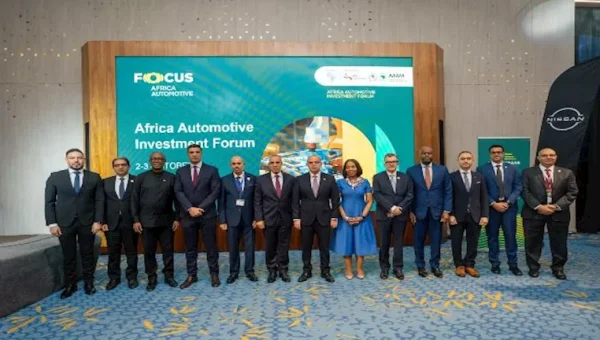
African Automakers Association President Urges Faster Implementation of Free Trade Agreement with 40% Rules of Origin
Tarek Moussa, President of the African Association of Automotive Manufacturers (AAAM), has urged governments and the private sector to accelerate the implementation of the African Continental Free Trade Area agreement…
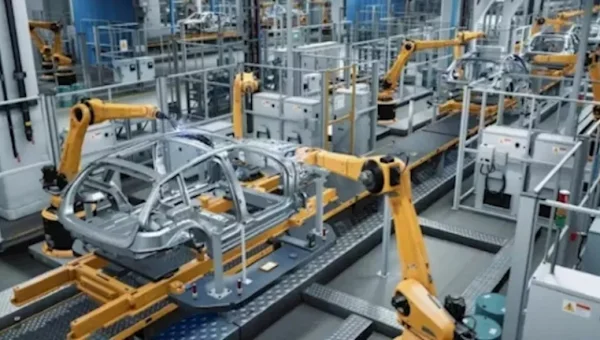
Egypt Localizes Auto Parts: Al-Araby and Malben JV Targets 60% Local Content
Al-Araby Group signed a joint venture with South Africa's Malben Engineering to manufacture automotive components in Egypt. The deal aims to raise local content in passenger cars from 45% to…

Social Media 'Court' Haunts Car Companies and Dealerships in Egypt
Social media platforms have become an arena for holding car companies and dealerships in Egypt accountable, with some customers posting accusations of wasted rights or fraud. Journalist Hisham El-Ziny said…